Shoppers and daters alike are being reminded to take simple safety steps after a Christchurch man was seriously assaulted following a Grindr meet-up, a warning that matters to anyone using dating apps across Aotearoa. The incident left the 21‑year‑old in hospital and underlines why safety planning, public meet‑ups and trusted check‑ins are worth doing.
Essential Takeaways
- Serious injuries: The victim suffered a fractured leg, concussion and a chipped tooth and needed hospital care and rehab.
- Attack motive: He says the assault involved homophobic slurs, and RainbowYOUTH warns such violence affects the whole community.
- Police response: Officers examined the scene but haven’t identified suspects; similar app‑related lures were flagged in Invercargill earlier this year.
- Practical steps: Netsafe and New Zealand Police recommend public first meetings, telling someone your plans, and leaving if you feel unsafe.
- Support needs: The survivor is receiving counselling and stresses the psychological toll of targeted violence.
A violent evening that started with a tap and a chat
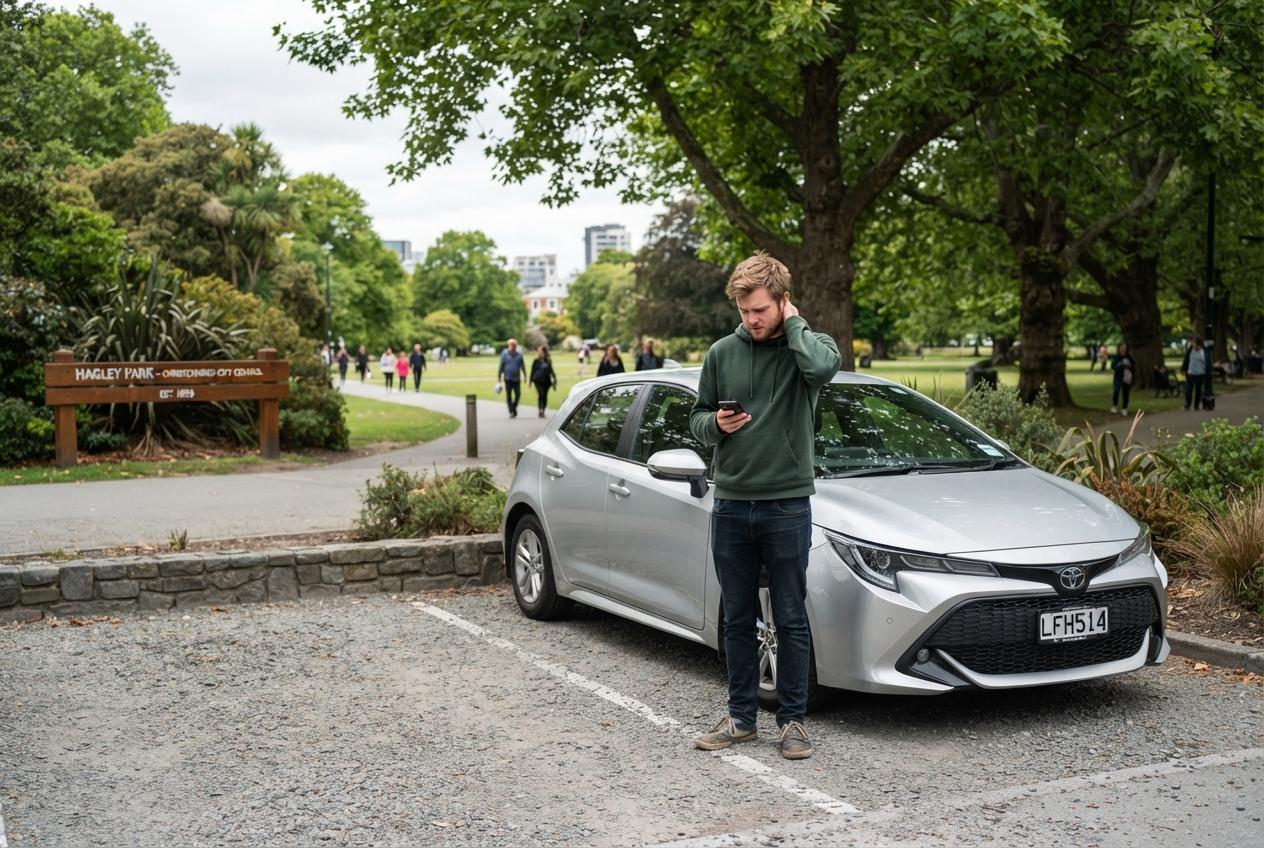
It began, like lots of modern encounters, with messages and photos exchanged on Grindr, then a plan to meet in Woolston Park. The young man says he waited, nobody turned up, and on his way back to the car two hooded men attacked from behind. He was kicked and punched and heard homophobic insults as he fell. The scene that followed , Ferry Road, a member of the public coming to his aid, an ambulance and two days in Christchurch Hospital , reads like every parent’s nightmare and every queer person’s worst cautionary tale.
Why this case feels familiar across the country
Police and community groups note this isn’t isolated. Detective Constable Thomas Martin linked the incident to other dating‑app related assaults reported around Aotearoa, and in May Southland Police warned people after claims that users were being lured to isolated spots in Invercargill. Internationally, media have reported similar fake‑date attacks and even hammer assaults, showing how scammers and violent perpetrators sometimes exploit the same online trust to target victims.
What experts and agencies are advising daters to do
Netsafe points out most app users don’t experience violence, but fake profiles and malicious intent do happen. New Zealand Police’s standard safety advice is plain and practical: meet in a busy public place, tell a trusted friend where you’re going and when you’ll be back, and don’t hesitate to leave if anything feels off. Consider using location‑sharing with a friend or asking someone to check in by text at a set time. Those small rituals can feel awkward, but they’re quick ways to add protection.
The mental toll: trauma lasts longer than bruises
Beyond broken bones, the man is still in counselling months on. He speaks about the long‑lasting effect on his mental health , the hypervigilance, the replaying of the assault, the ripple effect inside the rainbow community when someone is attacked for their sexuality. RainbowYOUTH highlighted that violence towards one person can make others feel less safe; that collective harm is important to acknowledge when we talk about prevention and support.
Practical tips for safer meet‑ups today
If you’re arranging a first meet, pick a well‑lit café, a busy public park near shops or a supervised venue rather than a secluded spot. Bring your own transport so you can leave on your own terms, and keep valuables and identifying documents secure. Screenshot conversations if you feel uneasy and, if necessary, share them with police , they encourage reporting. And remember: responsibility for violence sits with the attackers, not the people who were targeted.
It's a small change in how we meet people that can make every outing a little safer.
Source Reference Map
Story idea inspired by: [1]
Sources by paragraph: