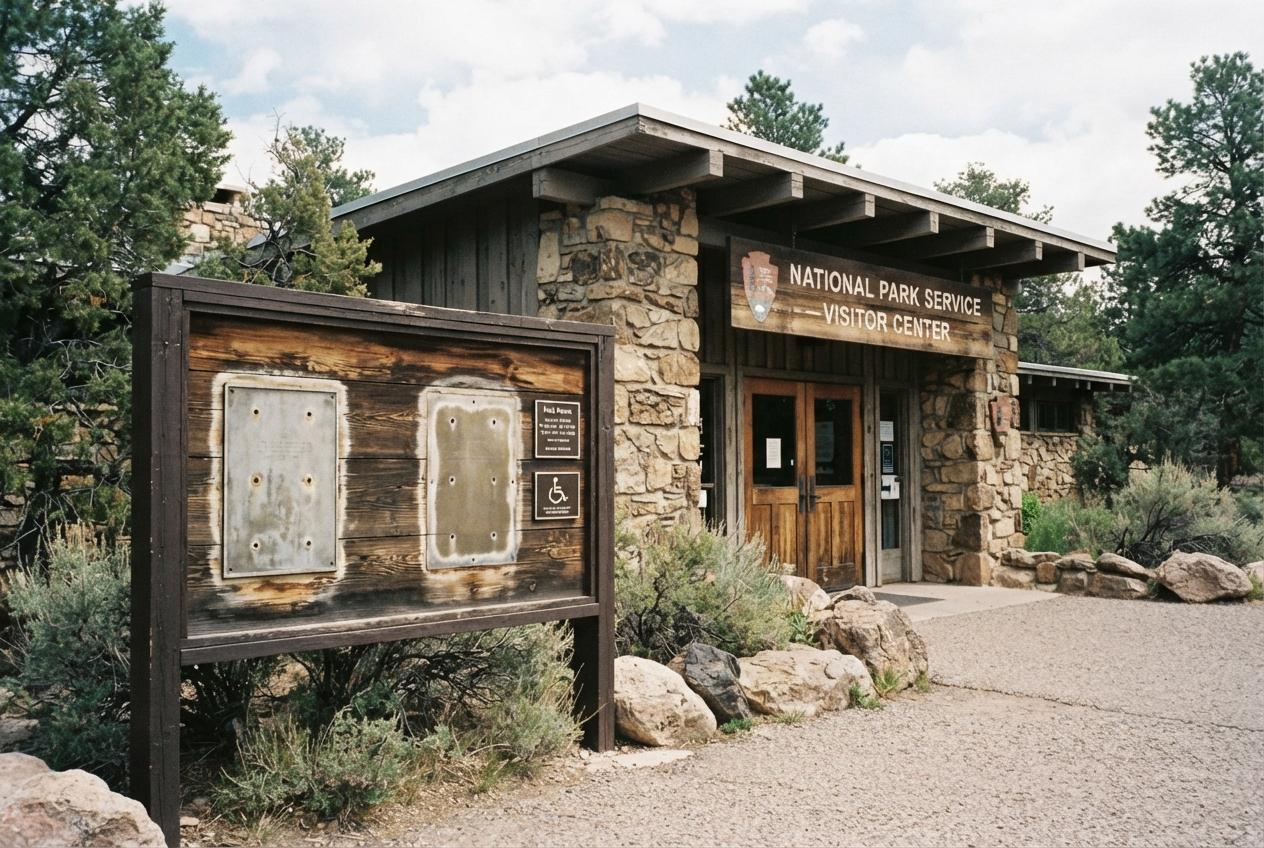
Shoppers of history and regular visitors are noticing quiet edits to national park signs and displays, and historians, librarians and activists are racing to document what’s vanishing , because who gets named in our public stories changes how we see ourselves and the nation.
Essential Takeaways
- Widespread edits: Park signage, exhibits and online content about women, LGBTQ+ people, slavery and violence have been altered or removed across multiple sites.
- Grassroots archiving: Librarians and historians formed Save Our Signs to photograph and preserve original panels and materials for public record.
- Official directive: A 2025 Interior Department memo instructed staff to flag content deemed disparaging or not focused on natural beauty, prompting reviews.
- Legal and public pushback: Conservation groups, historians and members of Congress have pushed for restorations, and some changes are subject to ongoing litigation.
- Why it matters: These edits reshape interpretation at the point people learn history , they’re tactile, emotional and influential for visitors of every age.
Who’s noticing and why this feels urgent
A small group of historians and government-document librarians turned a weekend in Washington into a “sign quest” to compare plaques and prints, and what they found felt like a slow, muffled edit of public memory. The tactile shock , a smooth metal plaque missing a single sentence about force-feeding at a suffragist protest, for instance , underlines why physical markers matter. According to the National Park Service, parks have long been sites for wrestling with complex histories, and changes here aren’t just administrative tweaks; they alter the story the public encounters on site. If you visit expecting the full picture, you may simply be getting a softer one.
What’s being changed , examples across parks
Revisions range from subtle wording shifts to outright removals. At a women’s equality monument a line about suffragists being “beaten and force-fed” was softened to language about being treated as political prisoners, which removes the visceral sense of violence visitors once read. Elsewhere, panels that contextualised slavery, including gendered violence and family separation, have been replaced with less confrontational language. The National Park Service has historically expanded interpretive programmes to include women’s and LGBTQ+ stories, and the recent rollbacks reverse or obscure some of that work.
Why officials say they’re doing it , and the local impact
A 2025 Interior directive asked staff to flag materials it saw as negative toward Americans or that didn’t prioritise natural beauty, which filtered into closers reviews of maps, films and brochures. Park curators and regional staff face choices: leave material, revise it, or take it down. That process can be opaque, leaving visitors and local communities confused when familiar content disappears. For people whose lives and ancestors appear in those panels, the edits don’t feel neutral; they feel like erasure.
How people are fighting back and preserving records
Librarians, public historians and groups such as the National Parks Conservation Association have mobilised. Save Our Signs is crowd-sourcing photos and archived text; senators and advocacy groups have reposted removed films and called for restorations; and lawsuits have temporarily stalled some removals. Meanwhile, the NPS’s own historical pages document decades of work to broaden park narratives, and those resources provide a backdrop for the push to keep those stories visible. If you care, take photos on your next visit and contribute to local archives before a panel changes.
Choosing your park visit with context in mind
If you plan to visit this year, assume exhibits may have been revised and bring curiosity. Look for online archives or local museum pages about a site’s history before you go, and ask park rangers about interpretive changes when you arrive , many are eager to explain context. For teachers and families, pair a visit with a photocopy or screenshot of earlier signage so young people can compare versions and discuss why wording matters. Small acts like these keep public memory honest.
It's a small change that can make every visit a chance to notice whose stories get to stay.
Source Reference Map
Story idea inspired by: [1]
Sources by paragraph: