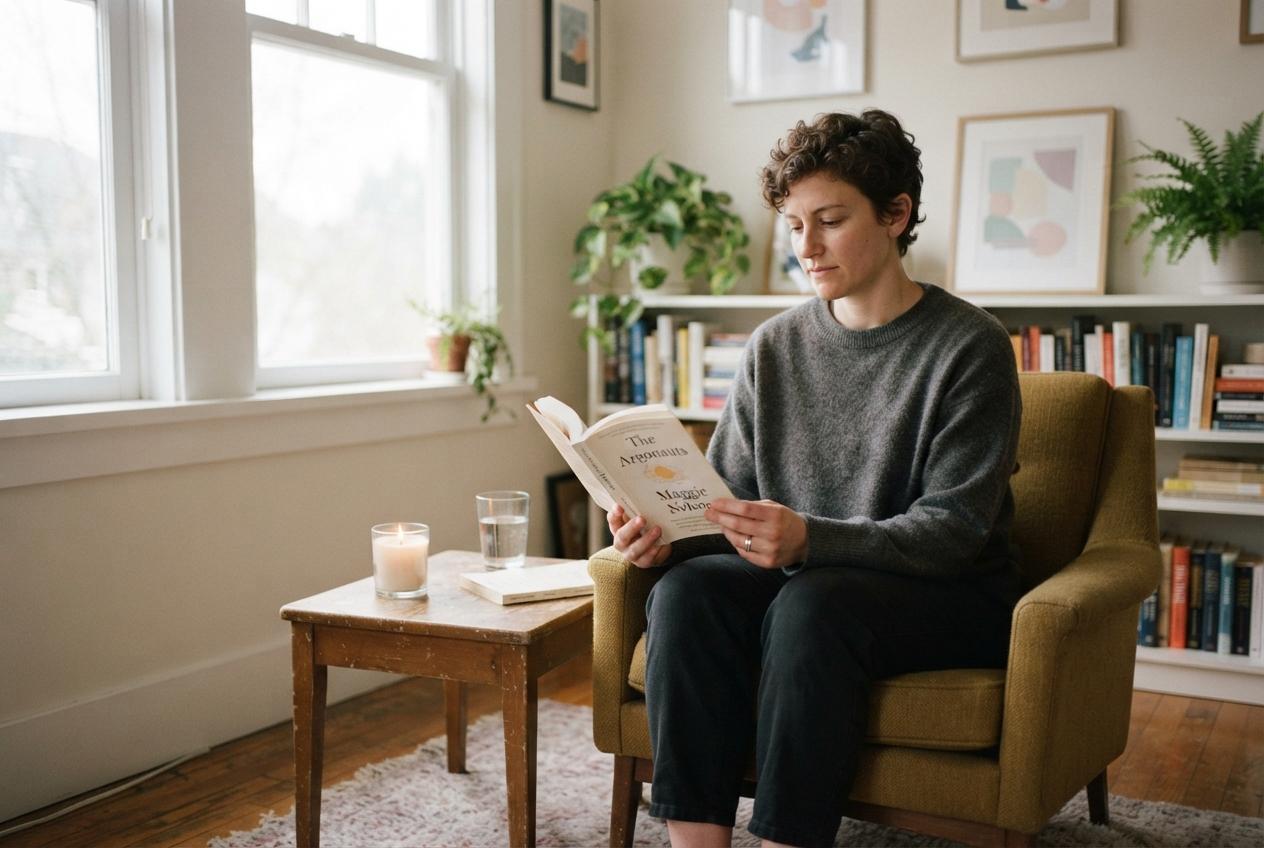
Shoppers and seekers are turning to simple, at-home mind-body-spirit practices to feel steadier, sleep better and move with less pain; from gentle touch therapies to guided breathwork, here’s what works, where to try it, and how to build a short routine that actually fits your life.
Essential Takeaways
- Quick wins: Five- to twenty-minute breathwork and grounding routines can reduce stress and improve sleep the same day.
- Hands-on options: Self-massage and light myofascial release feel soothing, ease tension, and need only a tennis ball or foam roller.
- Guided help: Online practitioners offer safe, gentle sessions for bodywork, energy healing and trauma-informed approaches.
- Choose by need: Pick breathwork for anxiety, gentle movement for stiffness, and touch-based methods for chronic muscle tension.
- Practical set-up: A quiet corner, a water bottle and comfortable clothing are all you need to begin.
Why people are bringing healing home , and what actually helps
We’re living busier, noisier lives, so small rituals that calm the nervous system are suddenly precious. According to several online healers and therapy sites, short breathwork, grounding and gentle touch work produce noticeable benefits fast , calmer mood, less jaw clenching and easier sleep. The sensory payoff is immediate: a cooler forehead, slower heartbeat, a loosened shoulder, the sort of tiny wins that keep you coming back.
These practices rise from a mix of massage, bodywork and energy healing traditions, adapted for home use with clear safety cues. If you’ve tried one-off classes and given up, try a two-week experiment: five minutes a day of guided breathwork or a brief self-massage routine, and see how your appetite for more grows.
Gentle hands-on tools that don’t cost much
You don’t need a fancy table or a therapist’s kit to start. A tennis ball under the shoulder blade, a foam roller for calves, and a warm shower for tense neck muscles can feel luxuriously effective. Self-massage and myofascial release mimic the pressure and glide of hands, helping stuck fascia soften and pain signals quiet.
Practitioners online recommend slow, patient pressure rather than aggressive rolling; the trick is to follow comfort rather than pain. If you have a recent injury or unresolved medical issue, check with a clinician first, but for everyday tension these low-tech tools are forgiving and portable.
Breathwork, grounding and guided sessions that fit a schedule
Breath patterns are powerful and immediate. Simple box breathing, alternate nostril breathing or a gentle 4-6-8 exhale cycle can move you from high alert to rest within minutes. Many bodywork and energy-healing sites now offer short guided exercises you can stream, so you can practise before bed, during a lunch break, or while waiting for the kettle.
If anxiety is your main problem, prioritise breathwork and grounding; if you’re chronically stiff, add movement and self-massage. Look for sessions that are trauma-aware and paced slowly , the gentler the instruction, the easier it is to stick with the practice.
How to pick an online practitioner or course
There’s a lot of choice out there, from individual healers to small clinics offering remote sessions. Seek clear descriptions of methods, client safety notes, and short sample sessions to try first. Credible providers outline their scope , what they can and cannot treat , and offer a consultation before a longer appointment.
Read reviews, watch a free clip, and start with a single session or a short course rather than committing to a big package. If a practitioner uses active language and pressure cues, make sure they emphasise consent and pacing; that’s a good sign they’ll support you through each step.
Building a simple daily routine that actually sticks
Start with three small habits: a one-minute ground-and-breathe on waking, a five-minute self-massage or foam-rolling session mid-afternoon, and a two-minute body scan before bed. Keep your corner tidy, wear comfy clothes, and set a gentle alarm if you forget. Track how you feel in a notebook , more energy, easier movement, or calmer sleep are tangible markers of progress.
And don’t expect perfection. Some days you’ll do nothing, and that’s fine. The aim is to build a practice that’s human-sized and forgiving so it becomes part of life rather than another chore.
It's a small shift that can make daily life feel less heavy and more manageable.
Source Reference Map
Story idea inspired by: [1]
Sources by paragraph: