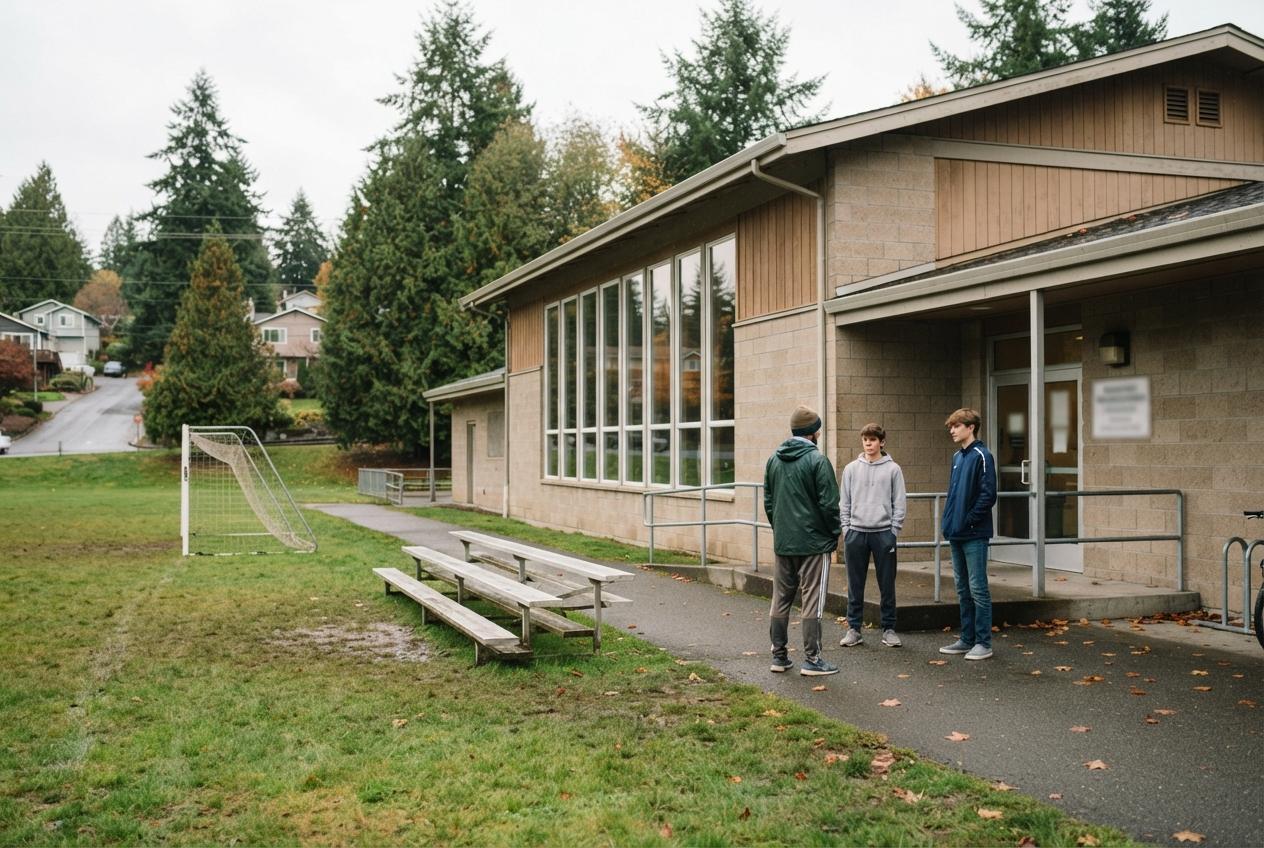
Shoppers are turning to ballots to decide whether Washington will keep school sports inclusive or lock some kids out , and the stakes are privacy, dignity and fair play for all girls across the state. Voters will see Initiative IL26-638 on the November 2026 ballot, a measure that could force invasive checks and medical testing for students who just want to compete.
Essential Takeaways
- What’s at stake: Initiative IL26-638 would require students to compete in sports consistent with the gender assigned at birth, overturning Washington’s trans‑inclusive policy.
- Privacy risk: Enforcement could mean genital exams or costly genetic and hormone tests, creating shame, fear, and barriers to participation.
- Broader harms: Similar laws have led to police inquiries, forced disclosures of medical histories, and students withdrawing from school.
- Legal landscape: The US Supreme Court’s recent rulings make it easier for states to enact bans, though outcomes still vary across courts.
- Why vote matters: November’s choice isn’t just about sports , it’s about whether Washington protects inclusion, privacy and equal opportunity for all girls.
A sharp ruling changed the field , what voters are actually deciding
The US Supreme Court recently cleared the way for states to pass bans on trans girls in school sports, and that has made this ballot fight urgent. According to Reuters and Inside Higher Ed, the Court’s decision effectively allows states to adopt discriminatory rules under current federal law. For Washingtonians, Initiative IL26-638, backed and promoted by a wealthy organiser, would translate that national shift into local policy. The practical reality is painful: children and families could face intrusive scrutiny simply for wanting to play.
How these laws work in practice , the privacy and health consequences
These measures don’t just sit on paper; they create procedures that can be dehumanising. Reports from places like Florida and Idaho show how complaints can trigger investigations, forced disclosure of private medical details, and even police involvement. The outcome is predictable: students feel exposed, teams lose members, and schools face administrative and legal headaches. Expecting genital checks or expensive lab tests as proof of identity turns sport into an invasive process rather than a community activity.
Who is really affected , why it hurts all girls, not just trans youth
Championships aren’t the point for most young athletes; participation builds confidence, friendships and a sense of belonging. Laws that invite anyone to challenge the sex of a teammate create an atmosphere of suspicion and surveillance that affects cisgender girls too. Coaches, parents, and spectators can lodge disputes under similar statutes elsewhere, and that dynamic corrodes team trust. The Atlantic and The Guardian have argued this is part of a wider push to police gender in public life, not a narrow sports reform.
Legal fights ahead , what precedent and lawyers mean for Washington
Organisations like Legal Voice and the ACLU have taken these cases to court, arguing discrimination and unequal enforcement. In Idaho, litigation challenged a ban and temporary rulings blocked enforcement for the plaintiff; the legal terrain remains contested. Legal advocacy will matter in Washington whether voters reject IL26‑638 at the polls or the measure passes and heads back into court. The bottom line is that litigation is costly and slow, while a ballot decision is immediate and far more impactful on kids’ daily lives.
Practical advice for voters and families ahead of November
If you’re undecided or worried, here are a few simple steps: read the full text of IL26‑638 and credible explainers from local LGBTQ+ centres, attend public forums, and ask schools how they’d handle complaints. Talk to coaches about inclusion and safety for all athletes. If you’re a parent, reassure kids that many communities value teams as places to belong, and consider supporting local groups advocating for inclusive policies. Voting is the clearest way to prevent invasive practices and preserve privacy for every child.
It's a small change of policy that can make every play, pass and finish line safer and more welcoming for every kid.
Source Reference Map
Story idea inspired by: [1]
Sources by paragraph: