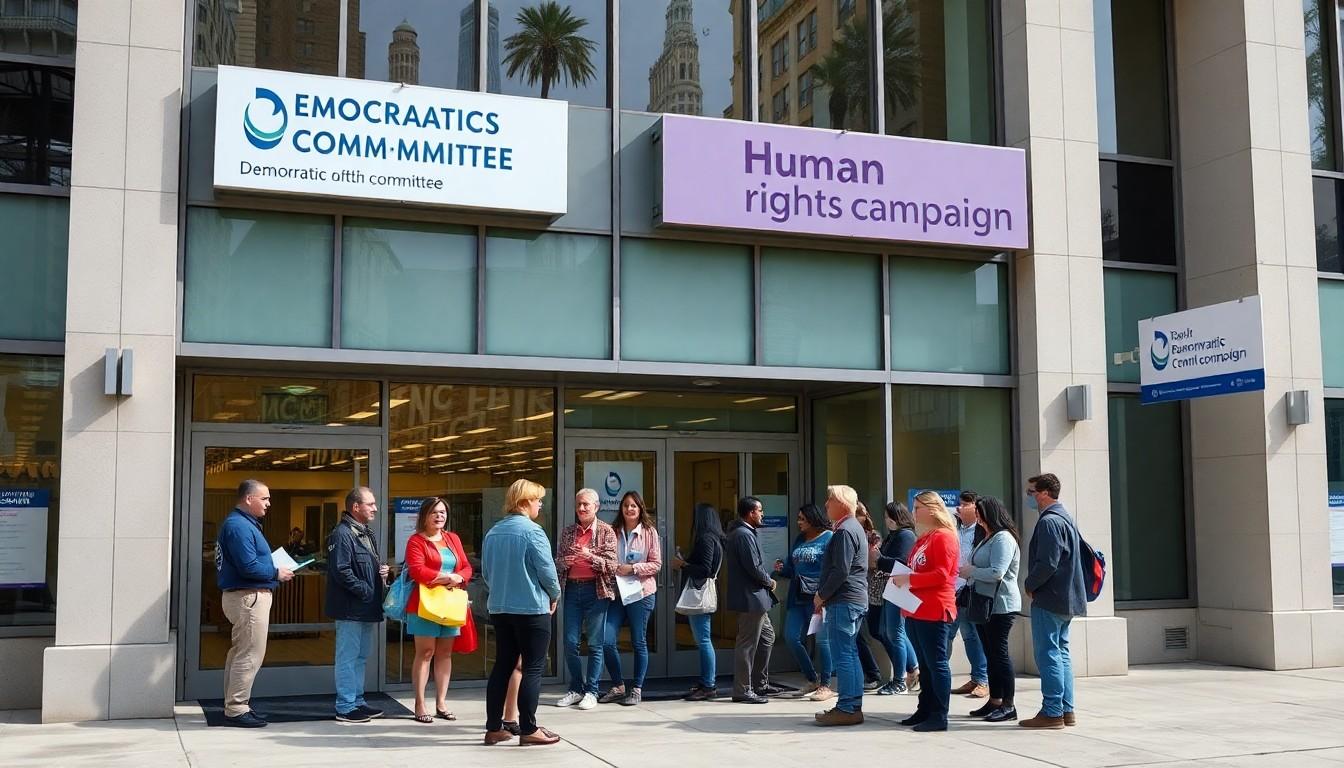
Watchdogs and organisers are ramping up: Democrats, LGBTQ groups and donors are rolling out a multi-year plan to counter AI-driven anti-trans ads as Republican campaigns test deepfakes and emotional TV spots , and it matters because those ads are reshaping voter views on healthcare, sports and schools.
Essential takeaways
- Big investment: The Human Rights Campaign and allies are committing major funds this cycle to counter messaging, starting with a roughly $15 million push to reach supporters.
- AI attack ads: Republican campaigns have already deployed AI-style spots, including a controversial remake of the 1964 "Daisy" ad that uses fabricated footage and emotional storytelling.
- Public opinion pressure: Polls show broad public resistance to trans policies on youth healthcare and sports, so persuasion and personal contact are central to the Democrats’ plan.
- Ground game focus: Organisers plan to leverage membership networks and targeted outreach to normalise transgender experiences and blunt fear-based ads.
- Practical urgency: With slim congressional margins, turnout and persuasion could decide races where these ads run.
Why AI ads have set off alarm bells
The moment an AI-driven political ad can splice a candidate’s face into a distressing scene, you can feel the temperature rise in campaign war rooms; the imagery lands hard and fast. Democrats and LGBTQ advocates are warning that retooled, emotionally charged spots , like the black-and-white remake borrowing from the old Daisy ad , are designed to provoke panic rather than debate policy. According to reporting, those ads pair a child-centred narrative with claims about irreversible medical care to frighten voters. That kind of sensory, cinematic pitch tends to stick, and organisers say they need new tools to fight it.
How Democrats and advocacy groups are responding
The Human Rights Campaign and the Democratic National Committee aren’t just issuing statements; they’re mobilising money, members and messaging. HRC plans to use its database and labour-like organising model to reach millions of supporters directly and repeatedly, and the DNC’s LGBTQ caucus is strategising long-term narrative work. The idea mirrors how gay and lesbian rights were argued into public acceptance over about a decade , by mixing personal stories, visibility and targeted persuasion , and organisers say they’ll try the same playbook for transgender issues.
What persuasion looks like on the ground
This cycle’s playbook leans heavily on human contact: talking to voters one-to-one, sharing local stories, and making the abstract feel familiar. Research cited by advocates suggests that knowing a transgender person increases sympathy, so organisers are encouraging visible, everyday storytelling rather than abstract policy debates. Practically that means neighbourhood canvassing, peer-to-peer texts, targeted social ads and leveraging members to call or knock on doors in tight races where a few thousand votes swing outcomes.
The legal and factual pushback to deepfakes
Alongside outreach, campaigns and fact-checkers are racing to label and challenge manipulated content. Media organisations and independent fact-checkers have already scrutinised ads using AI to alter imagery, and some background reporting highlights how quickly deepfakes can be produced and distributed. Campaigns facing a doctored spot are increasingly filing complaints with platforms and regulators while pushing counter-creative , short, plain videos that debunk the image and redirect attention to the actual candidate’s record.
Choosing where to focus resources this cycle
With narrow House and Senate margins, organisers say decisions about where to deploy money and staff are ruthless. They’re prioritising districts and states with vulnerable incumbents, younger suburban voters and communities where personal stories might shift opinion. That matters because polls show clear resistance on certain trans-related issues; the strategy is to convert persuasion into turnout, not merely catch-up media buys. For donors and local activists, the takeaway is simple: connect, repeat, and prepare quick responses when an ad lands.
It's a high-stakes messaging fight, and for voters it’s worth paying attention to who’s telling the story and how.
Source Reference Map
Story idea inspired by: [1]
Sources by paragraph: