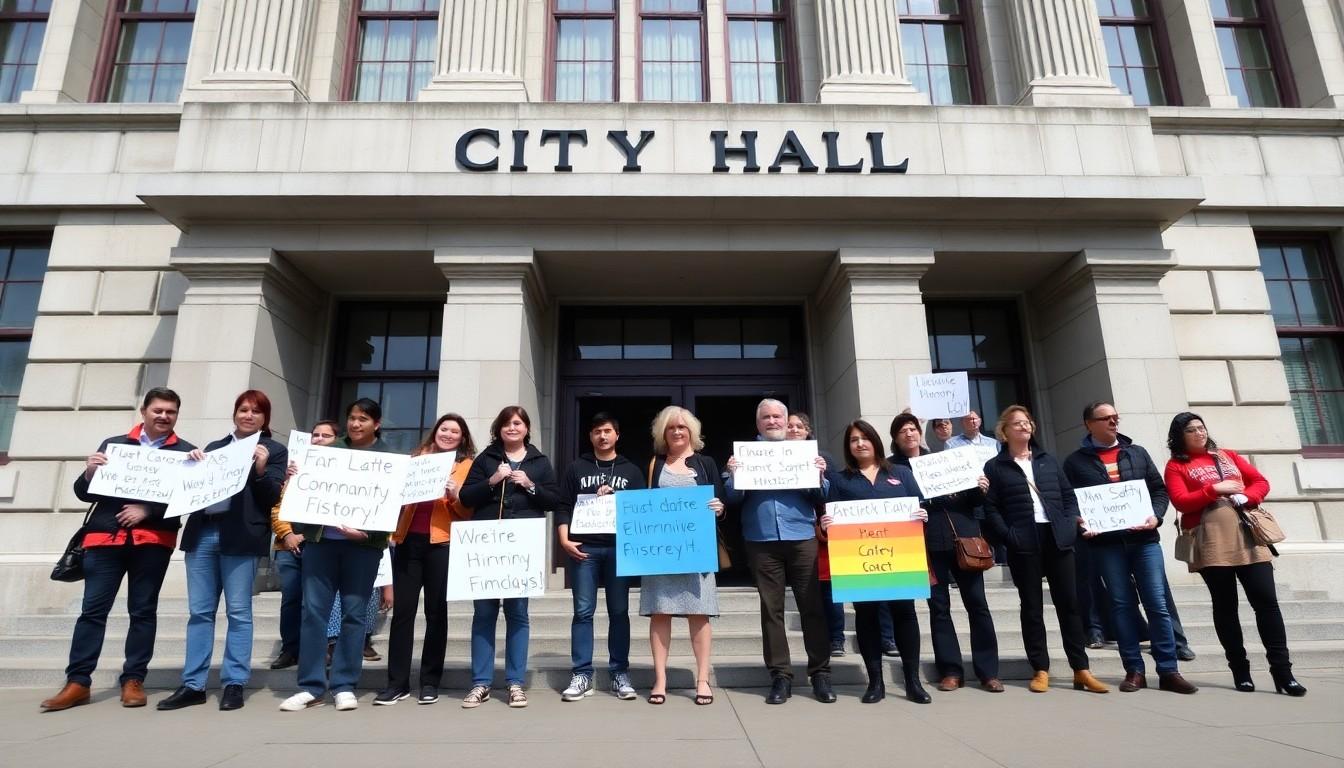
Shoppers and neighbours alike are turning their attention to Transgender History Month this August, as San Francisco kicked off the observance with a flag-raising at City Hall that blended celebration, hard-won wins, and a clear call for more protections for trans people across the US.
Essential Takeaways
- Official recognition: Transgender History Month began with a San Francisco City Hall flag-raising on August 7, 2026, marking a visible city endorsement and community celebration.
- Policy wins: The city highlighted the new Fair Chance Ordinance protecting people fleeing persecution from out-of-state convictions; it takes effect August 10, 2026.
- Community-led history: Events recalled the 1966 Compton’s Cafeteria Riot, stressing storytelling as a tool for safety, policy change, and memory.
- Practical focus: Speakers urged better cultural competency training for police and city staff and more funding for trans-led organisations; these are concrete steps that affect daily life.
Why the San Francisco kickoff felt both celebratory and urgent
The image of a transgender flag rising on the Mayor’s Balcony brings a simple, tactile warmth , it’s bright, public, and hard to ignore. San Francisco’s event opened with gratitude for recent wins, but speakers didn’t shy from the threats facing trans people nationally. According to local organisers, the mood balanced ceremony with strategy: applause for progress, followed by a checklist of what still needs doing. For anyone wondering why civic rituals matter, this was a reminder that visibility is also a tool for accountability.
The Fair Chance Ordinance: a practical protection to watch
City leaders spotlighted the Fair Chance Ordinance as a major achievement , it blocks discrimination by employers and affordable-housing providers against people with out-of-state convictions tied to lawful conduct here, such as gender-affirming care or drag performances. That’s a specific fix to a real problem when people are fleeing anti-trans crackdowns in other states. If you work in HR, housing, or run a community group, now’s the time to review policies and training so the law delivers on its promise.
Remembering Compton’s Cafeteria: why history fuels today’s activism
Events during the month deliberately invoke the 1966 Compton’s Cafeteria Riot, a raw, often overlooked turning point in transgender activism. Historians and performers at the City Hall programme traced direct lines from those early confrontations with police to the organising we see today. Exhibits, walking tours, and theatre productions are forcing a welcome reappraisal of overlooked moments in queer history , and they do more than educate. Hearing those stories, activists say, changes how institutions respond and how communities protect themselves.
Storytelling as a safety strategy , voices onstage made that clear
Speakers at the kickoff repeatedly returned to the idea that telling personal and communal history saves lives. Community leaders, long-time activists, and descendants of early protestors stressed that naming harms, celebrating survivors, and teaching history are acts of resistance. That’s not just sentimental: organisers argue it leads to better policing, policy shifts, and more support for grassroots services. If you want to help, consider supporting local trans archives, museums, or theatre projects that centre lived experience.
What this means for the rest of the country , and you
San Francisco’s ceremony felt like a test case: a city using symbolic gestures, legal tools, and funding priorities to shore up safety for trans residents. But speakers warned that national trends remain worrying, with hostile laws in other states pushing people to seek refuge. The local response , from budget wins to cultural-competency training , offers a playbook for other municipalities. For readers, the takeaway is simple: championing local organisations, attending educational events, and pressuring local officials on training and funding can make a tangible difference.
It's a small but meaningful push toward safety and recognition that starts with stories and follows through with policy.
Source Reference Map
Story idea inspired by: [1]
Sources by paragraph: