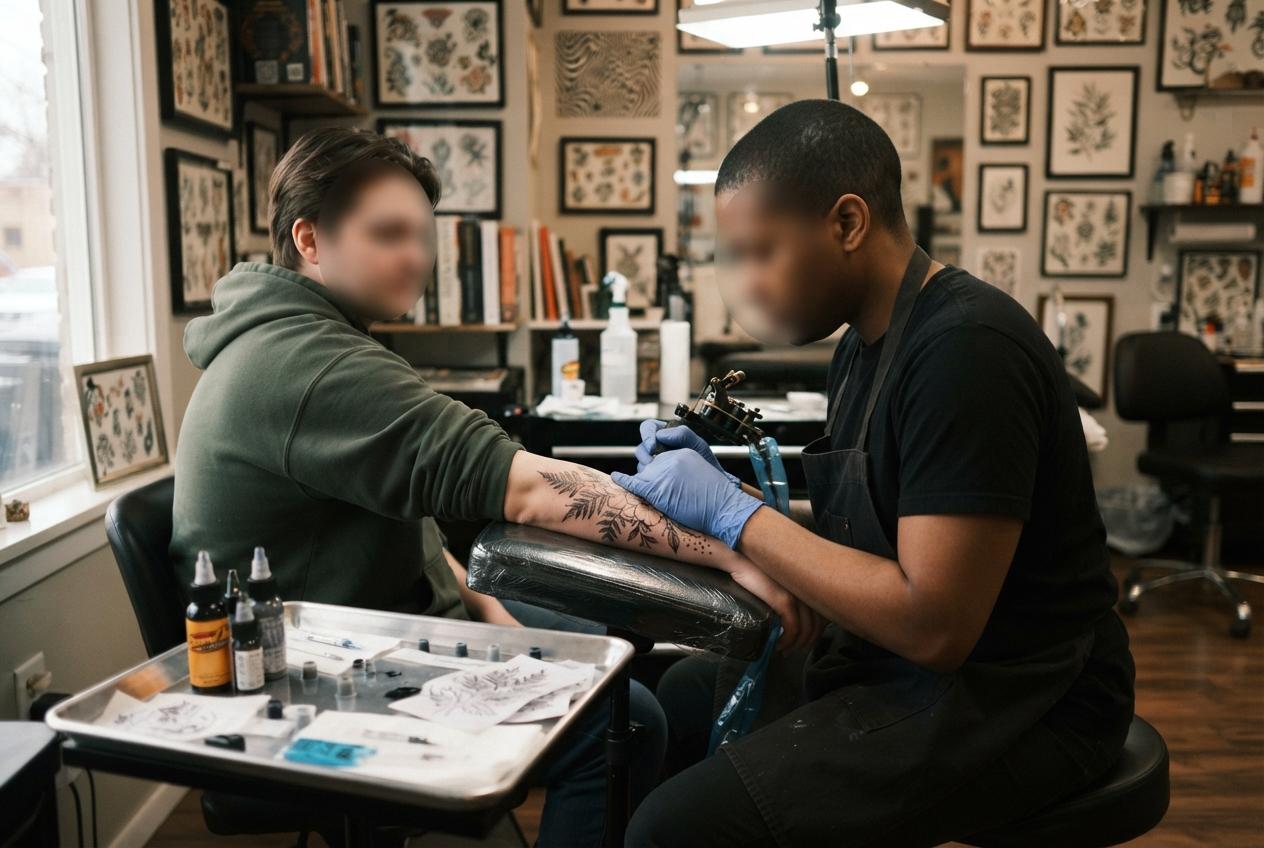
Shoppers and culture-watchers are noticing a shift: queer tattooing is increasingly about more than ink. Artists and community members in cities such as Stockholm are carving out safer, social spaces where tattoos become acts of self‑definition, memory and shared belonging , and that matters for visibility and care.
Essential Takeaways
- Research lens: a qualitative study in the Journal of Lesbian Studies frames tattoos as identity, autonomy and resistance rather than mere decoration.
- Body as archive: tattoos can store memories, relationships and turning points, giving private stories a visible hold.
- Space matters: queer tattoo studios often function as safe, social places with a quieter, trusting feel.
- Not universal: the study is qualitative, not representative , it highlights possibilities, not prescriptions.
- Practical tip: when choosing a studio, consider atmosphere and rapport as much as the artist’s portfolio.
Why this matters now: tattoos as identity and autonomy
Tattoos have always been about choice, but recent cultural work reframes them as a deliberate claim over your body , tactile, permanent and quietly defiant. According to a qualitative analysis in the Journal of Lesbian Studies, queer people sometimes use tattoos to assert bodily autonomy after experiences of invisibility or exclusion. The ink can feel like a small, durable protest: a way of saying this body is mine.
This isn’t to turn every tattoo into a manifesto. Many people pick designs for aesthetic or personal reasons. Still, for some queer people the decision to mark the skin becomes a meaningful act of self‑possession, and that emotional texture is worth recognising when you think about why people get tattooed.
The tattooed body as a living archive
Think of tattoos as a visual diary you wear in public. The study highlights how marks on skin can record relationships, political beliefs or life changes that might otherwise have been kept private. That archival function is especially potent where queer histories were once erased or hidden.
So when someone chooses a symbol or portrait, they’re often choosing to make a private narrative legible , at least to themselves , and sometimes to those they trust. That changes how we read ink: not just as an aesthetic choice, but as a portable memory bank.
Queer studios: more than a chair and a needle
Artists and community members interviewed for the research point out that the “queer” in queer tattooing often refers less to motifs and more to space. Queer‑run studios can feel gentler, less heteronormative and better attuned to gender, pronouns and lived experience. For many clients that translates into practical comfort: honest conversation, relaxed timing and a sense you won’t have to explain yourself.
If you’re nervous about your first piece, aim for studios that advertise inclusive practices, host community events or show local queer art. Those places often double as cultural hubs: the tattoo becomes part of a social exchange as much as a craft.
From basement gatherings to public studios: a continuing history
Queer tattooing isn’t new. Oral histories in the study recall tattoos made in private homes or communal spaces in the 1970s and 80s , moments where making ink was as much about kinship as it was about the final image. Today, many of those underground impulses have moved into studios that openly embrace queer culture, hosting exhibitions and events alongside bookings.
This continuity matters because it shows a pattern: when mainstream spaces felt hostile, queer communities improvised. Now some of those improvised spaces are visible and celebrated, but the purpose is the same , care, trust and shared memory.
How to choose a tattoo studio that fits you
Look beyond flash sheets. Ask about the artist’s experience with trans, non‑binary or queer clients, check whether the studio respects pronouns, and notice how comfortable you feel in the booking chat. A good consultation will let you talk through meaning as well as placement and healing.
If safety and representation are priorities, pick a place that hosts community events or has a clear non‑discrimination policy. And if you want the tattoo to serve as a personal archive, consider documenting the story behind it for yourself , photos, notes or a short audio memo can keep the memory vivid long after the ink settles.
It's a small change that can make every tattoo mean a little more.
Source Reference Map
Story idea inspired by: [1]
Sources by paragraph: