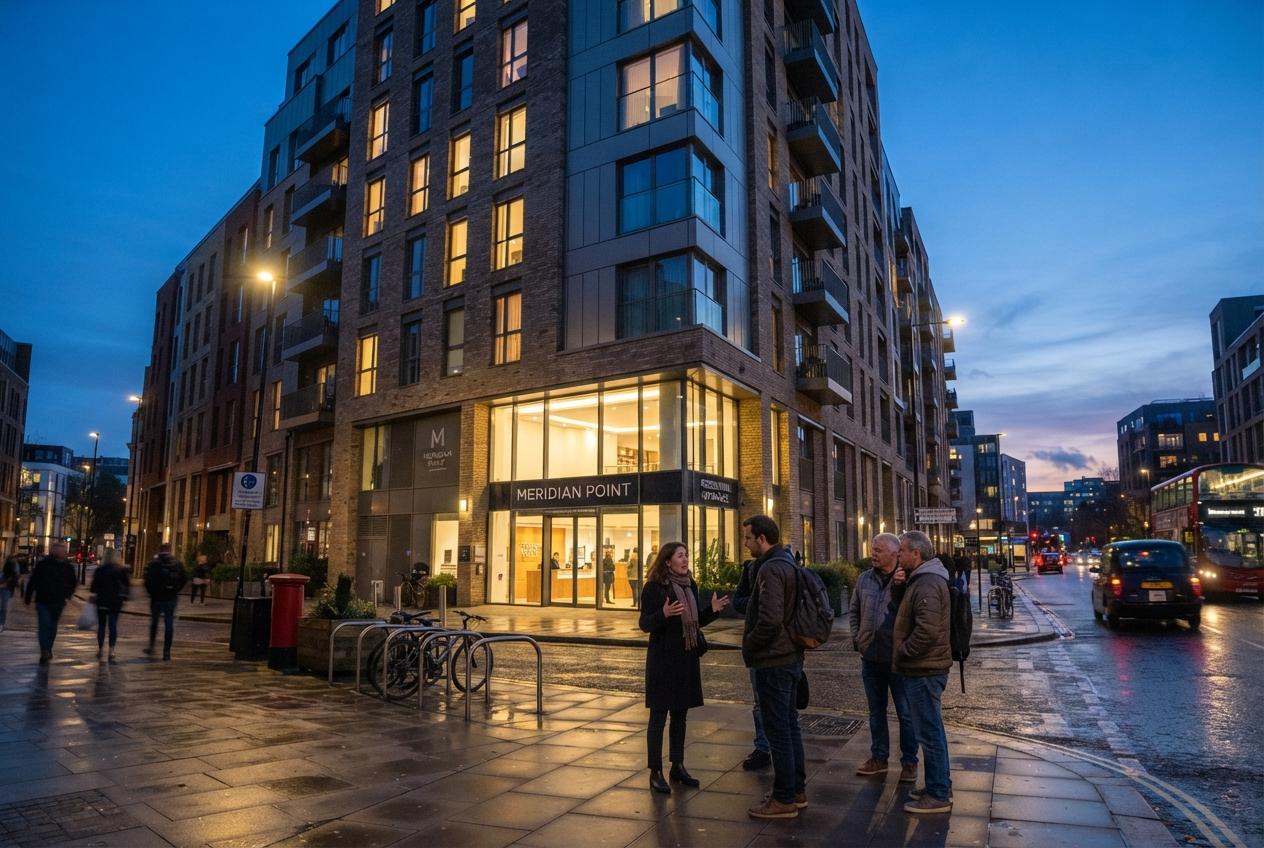
Shoppers are noticing fewer late-night queer spaces as bars and clubs disappear; performers, campaigners and city planners warn this shift is hollowing out community life, especially where venues once offered safety and culture. This matters because these spaces are where people first find each other, build resilience and celebrate identity.
Essential Takeaways
- Hard fact: London lost more than half its queer venues between 2006 and 2022, shrinking from around 125 to roughly 50, a decline mirrored in other cities.
- Why it hurts: Queer bars and clubs act as informal community centres , they're social, political and cultural hubs that feel safe and expressive.
- Common causes: Rising rents, residential development, licensing changes and post‑pandemic economics push venues to close or change use.
- How to help: Use venues, buy tickets for nights, donate to campaigns and check local listings , small, regular support can keep spaces open.
Why performers like Bimini say closures 'erode the soul' of queer nightlife
Drag artists and community figures have been blunt: when a club shutters, something intangible goes with it , warmth, history and a sense of belonging. Bimini told BBC Newsnight that nightclubs are often the first place people meet others like them; there's a soft, almost tactile memory of the dancefloor that helps you feel seen. This isn't just nostalgia. According to local analyses, queer venues historically doubled as safe social services, political organisers and creative incubators. Losing them reduces opportunities for new connections, gigs and activism. If you care about culture, that grit matters.
What’s driving the closures , from planning rules to pocketbooks
A mix of forces is at work. City councils reclassifying nightlife zones, tough licensing limits and developers building flats above or beside venues make long-term trading harder. Mayoral rows over Soho and the West End show how policy can help or hinder nightlife; Sir Sadiq Khan has warned that restricting venues damages the wider city economy and culture. Economic pressures are also plain to see: rising rents and the lingering fallout from lockdowns squeezed many operators. Owners and campaigners say venues with deep local roots are being priced out, replaced by residential builds or businesses that don't offer the same communal pulse.
Who loses most when queer spaces vanish
The impact is uneven. Young people just coming out, older patrons who rely on regular meetups, and marginalised subgroups , including people of colour , often feel the loss most intensely. Historically Black and Latinx gay bars, for instance, have been declining, narrowing the cultural diversity within the queer scene. Beyond emotional loss, there's practical fallout: fewer venues mean fewer queer-friendly workplaces, less affordable nightlife and fewer informal support networks. For newcomers, that absence can make finding community slower and lonelier.
How local campaigns and policy changes can help save scenes
Cities that value nightlife can take concrete steps: supportive licensing policies, recognizing venues in planning decisions, and offering business-rate relief or grants. Campaigns that highlight a venue’s cultural significance can convince planners to think twice before allowing redevelopment. Community action also matters. Owners and managers often plead with patrons to keep using spaces , showing up regularly, attending fundraisers or donating can tip the balance. In a few cities, partnerships between councils and nightlife advocates have slowed closures; it’s not impossible when people push for it.
Practical tips for supporting queer nightlife near you
If you want to help, start local. Follow your nearest venues on social media, buy tickets in advance, volunteer for one-off events and join community groups that lobby for cultural protection. Check listings before heading out and encourage friends to go , consistent attendance beats one-off splashes of publicity. If you’re a landlord or resident curious about cohabiting with nightlife, learn about soundproofing, flexible opening hours and mediated dialogue; small compromises can keep venues viable and neighbourhood relations calm.
It's a small change to show up more often, and it can make every night out matter a lot.
Source Reference Map
Story idea inspired by: [1]
Sources by paragraph: