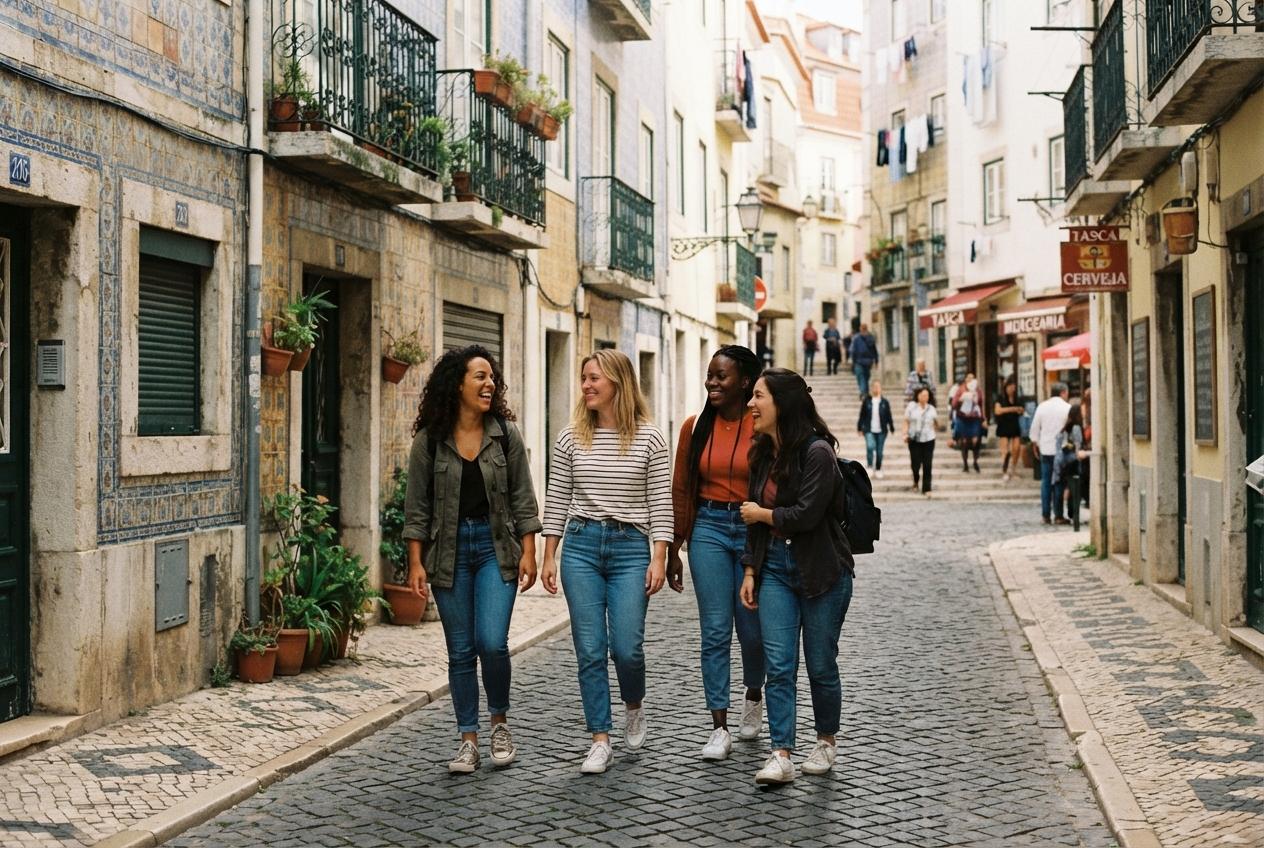
Discover why queer women are packing for Portugal , I scouted Lisbon and beyond to see if a lesbian Portugal truly exists, and found welcoming streets, quiet neighbourhoods to call home, and plenty of ways to connect with local queer life. Read on for practical tips, neighbourhood picks, and where to find community.
Essential Takeaways
- Legally protected: Portugal offers broad LGBTQ+ rights, same‑sex marriage, adoption, anti‑discrimination protections, and gender‑self determination laws.
- Lisbon is easiest to navigate: Príncipe Real and Bairro Alto show visible queer life, but São Bento and Anjos feel like better stays for authenticity.
- Nightlife is fluid: Dedicated lesbian bars are rare; look for recurring parties and queer‑women events like Fabulez and Cozy.
- Porto is gentler, still friendly: Smaller scene but welcoming spots such as Plumas & Flores and Bar of Soap make it worth a stop.
- Stay aware, stay informed: Political shifts have brought challenges for trans rights; check local listings and news while planning.
Why Portugal feels like home for lesbian travellers
Portugal greets you with a quiet, easy warmth , rainbow flags in shop windows, friendly service, and no dramatics when you mention you’re queer. I found my biggest comfort in ordinary interactions: cafés that feel lived‑in, markets that bustle, and locals who treat diversity as part of everyday life. According to published country rankings, Portugal sits high on global LGBTQ+ indexes, reflecting strong legal protections and broad social acceptance.
That doesn’t mean everything is uniform across the map. Coastal cities like Lisbon and Porto show the most visible queer life, while the interior can feel more traditional. For first‑time visitors, that contrast matters: it’s safe to explore the countryside, but don’t expect the same quick‑pulse queer scene you’ll find in urban neighbourhoods.
Where to stay: neighbourhoods that hit the right note
If you want pride without the postcard, skip the most touristy streets and aim for São Bento or Anjos in Lisbon. These residential pockets mix artists, expats and locals, so you get authentic cafés, quieter evenings and a neighbourly vibe. I stayed in a few properties I’d happily recommend to friends; off‑centre hotels and guesthouses often feel calmer and more personal than the big, buzzy places in Príncipe Real.
Bairro Alto and Príncipe Real remain the most obvious hubs for queer life, with bars and rainbow signals on windows, but they’re busy. A practical tip: choose accommodation within easy tram or walk distance to Príncipe Real so you can visit the scene by day and retreat to quiet evenings. Porters and hosts tend to be discrete and welcoming, which is exactly what you want when you’re looking for a sense of belonging.
How to find queer women’s nightlife and community
Don’t expect a steady roster of brick‑and‑mortar lesbian bars; Portugal’s sapphic social life moves fast and often through parties, collectives and pop‑ups. In Lisbon look for Fabulez and Cozy nights, which cater specifically to queer women and FLINTA communities. Joining a local queer walking tour is an excellent first move , you’ll meet other travellers and get pointed to feminist bookshops, cultural spaces and after‑hours gatherings you’d never find alone.
Check listings regularly: events appear and evolve quickly, and what’s buzzing this month might shift next. If you prefer planned connections, many small queer enterprises and apps list queer‑owned cafés, bars and cultural nights , supporting them helps local communities thrive.
Porto and beyond: smaller scenes with personality
Porto’s queer life is softer and more mixed than Lisbon’s, but that’s part of its appeal. Places like Plumas & Flores, a lesbian‑owned wine bar with a cosy garden, and Bar of Soap, a community‑style queer bar, offer welcoming spaces where you can linger. Arts venues such as Maus Hábitos host queer nights and live shows, adding a creative pulse.
If your trip includes a few days in the north, treat Porto as a gentle complement to Lisbon: fewer crowds, different rhythms, and intimate venues where conversations are easier to start. It’s an excellent place for a slower day of wandering, reading and meeting locals who’ll tell you about hidden queer pockets.
Practical tips for lesbian and trans travellers
Plan for small cultural differences: Portuguese is gendered, so misgendering can happen to nonbinary visitors. Bring a few polite phrases and consider a short script for correcting someone, or use gender‑neutral approaches in Portuguese where possible. For trans travellers, stay updated on legal changes , Portugal’s gender‑self determination law has been robust, but recent political movements mean the situation can shift and it’s wise to check current news.
Safety is strong in urban areas; holding hands or showing affection is generally accepted along the coast. In rural, interior areas, openness varies, so gauge neighbourhood energy the same way you would anywhere else: trust your instincts, pick busy cafés and book accommodations with clear queer‑friendly reviews.
Closing line
Portugal offers warmth, welcome and places where queer women can truly feel they belong , go curious, pack light, and enjoy being invited in.
Source Reference Map
Story idea inspired by: [1]
Sources by paragraph: