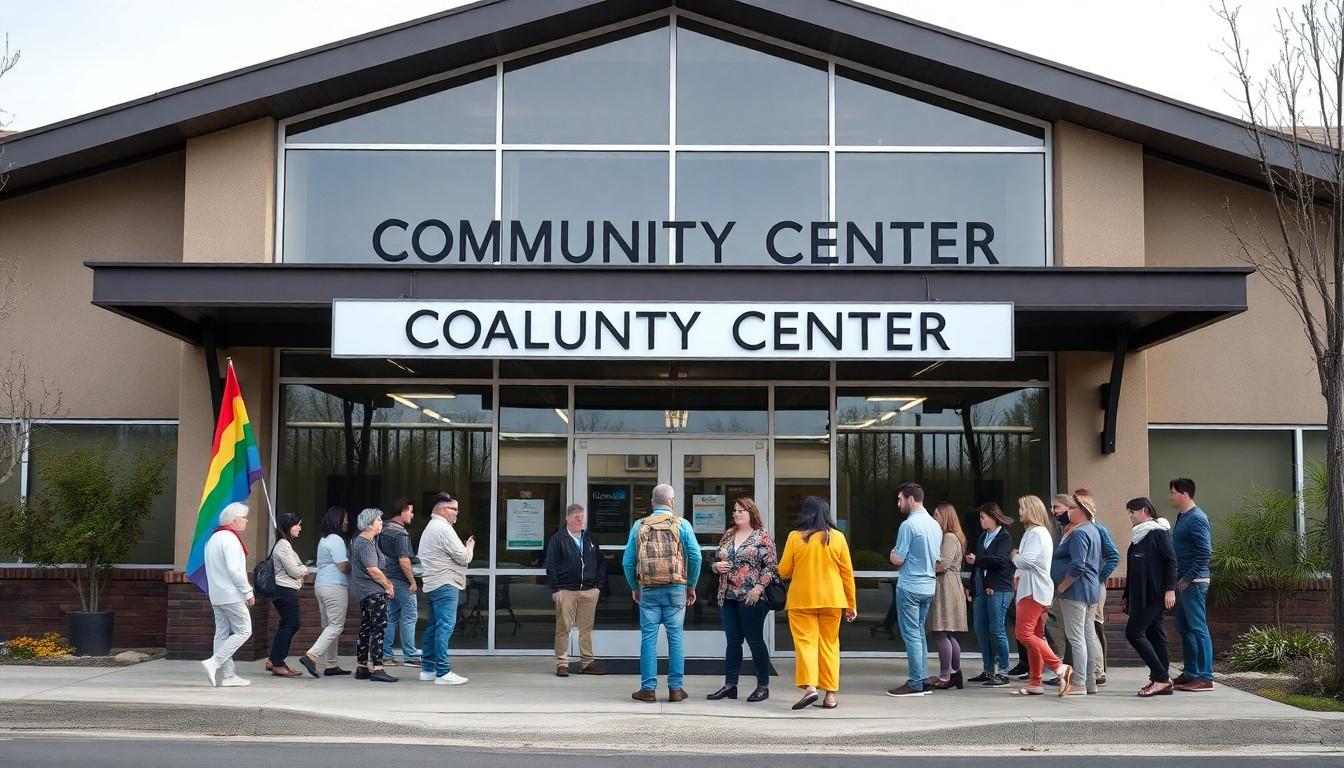
Shoppers and residents are turning to a new community-built tool as Idaho’s recent bathroom law raises safety and legal questions; the Idaho Inclusive Bathroom Map helps transgender, nonbinary and gender-diverse people find potentially safer, welcoming restrooms and avoid risky locations across the state.
Essential Takeaways
- Community-led: The map is crowdsourced by Trans Affirm volunteers and community members reporting welcoming or concerning restrooms.
- Practical features: Entries are colour-coded for gender-neutral, private, or gendered-but-inclusive facilities, and there’s a quick-close button that hides the site to a weather page.
- Legal context: Idaho’s HB 752 criminalises knowingly using bathrooms designated for the opposite sex, with misdemeanour and felony penalties for repeat offences.
- Not a guarantee: Reports are eyewitness accounts, not guarantees of safety; users should treat the map as guidance rather than a promise.
Why a map felt necessary , and what it looks like
This isn’t about convenience so much as survival; people told Trans Affirm they needed information about which places felt safe, and the Inclusive Bathroom Map is the practical answer. The resource lists businesses, public spaces and organisations marked as affirming, and it flags locations where community members have had concerning experiences. It’s visual and immediate, with colour-coding to show gender-neutral stalls, private rooms and places the community flags as risky, so a quick glance gives a useful sense of options.
According to coverage in local and national outlets, volunteers maintain the map and anyone can submit a report. That community aspect is a strength , and a limitation , because it relies on lived experience rather than formal guarantees. Treat it like a trusted friend’s tip: helpful, often accurate, but subject to change.
What changed in Idaho , the law you should know about
Idaho’s House Bill 752, signed into law this spring, creates criminal penalties for people who knowingly and willfully use bathrooms or changing rooms designated for the opposite sex in businesses and government buildings. Media reports note a first offence can be charged as a misdemeanour, and a second offence within five years could be treated as a felony with far heavier penalties.
This shift means a routine trip to the loo can carry legal risk for transgender people, which is exactly why a crowdsourced map became necessary. If you’re concerned, know the law’s basics and consider practical steps like using clearly marked gender-neutral spaces or private single-user facilities when possible.
The small safety features that speak volumes
One detail that stands out is the map’s quick-close feature, which immediately redirects to a weather site if someone needs to hide the page. It’s a small bit of code, but it communicates the real fear people feel about being seen accessing a resource like this. Other thoughtful touches include clear legend keys, photos where available, and notes from reporters about accessibility or staff behaviour.
Those design choices aren’t just UX niceties; they reduce friction and risk. When you’re out and uncertain, a quick-close or an easy-to-read icon can make the difference between a calm decision and an anxious moment.
How to use the map wisely , tips for everyday safety
First, treat the map as a guide, not a guarantee: community reports can change, businesses can alter policies, and staff turnover matters. Second, prioritise gender-neutral or single-occupancy restrooms where they exist, and look for user-submitted notes about staff attitudes or accessibility features like grab bars or adequate lighting. Third, consider checking businesses’ social media or calling ahead if you need reassurance.
If you’re supporting someone who’s nervous, offer to check the map for nearby options in advance or wait in the car while they use a private facility. Small acts of solidarity help more than you might think.
What this means for communities and businesses
The map is a practical, empathetic response from a community under pressure, but it also highlights a bigger problem: that ordinary acts like using a restroom have been politicised and criminalised. Businesses that want to be welcoming have a clear incentive to advertise inclusive facilities and staff training, while local leaders and civil-rights groups will no doubt keep watching legal and policy shifts.
Looking ahead, community tools like this may become models for other states where similar laws are debated, and they might nudge more businesses to proactively offer and label gender-neutral facilities.
It's a small change that can make every trip safer and less fraught.
Source Reference Map
Story idea inspired by: [1]
Sources by paragraph: