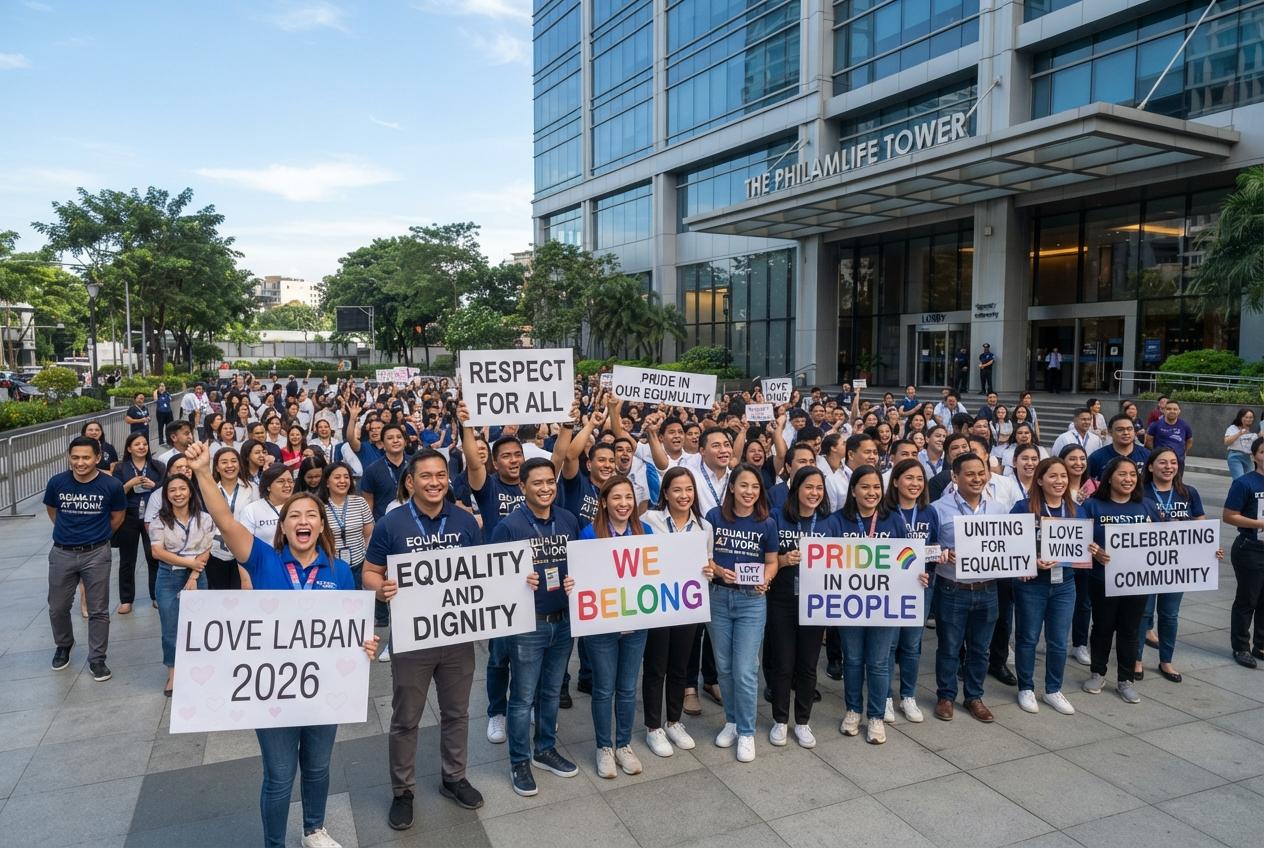
Shoppers and onlookers saw more than a banner , workers from TP in the Philippines turned up in force at Love Laban 2026, joining advocates, allies and partner groups in a six‑kilometre march at UP Diliman to show why workplace inclusion matters.
Essential Takeaways
- Big turnout: More than 250 TP employees joined the Love Laban 2026 Pride March under the TP Pride Network banner.
- Long stride: Participants completed a six‑kilometre route from University Avenue to Congressional Avenue, a visible show of solidarity.
- Clear message: The company marched with the theme “Built on Pride, United in Belonging,” signalling a commitment to respect and dignity.
- Community linking: TP’s presence connected staff with broader advocacy groups, allies and campus organisers, strengthening networks.
A visible show of support on a sunlit day
TP’s contingent didn’t just walk , they made a statement, a bright and steady line moving through UP Diliman with colourful flags and clear purpose. According to local coverage, more than 250 employees joined the march organised as part of Love Laban 2026, and the group’s energy was obvious to anyone nearby. For employees, the day was as much about solidarity as it was about being seen and heard.
Why the six‑kilometre route mattered
Organisers mapped a six‑kilometre route from University Avenue to Congressional Avenue, giving participants time to chant, connect and share stories along the way. Marching a longer distance reinforces commitment , it’s not a token appearance, it’s sustained support. For firms thinking about corporate participation, longer routes offer visibility and meaningful interaction with other groups.
The TP Pride Network: from idea to action
The march was led by the TP Pride Network, the company’s internal group that has been bringing staff together around inclusion and belonging. Internal networks like this often turn policy into practice: they host discussions, advise HR and create safe spaces. TP’s message , “Built on Pride, United in Belonging” , summarises that shift from passive nondiscrimination to active cultural change.
What this means for workplace culture
By joining Love Laban, TP signalled more than PR; it reiterated a pledge to foster workplaces where people feel respected and can thrive. According to reports, the participation formed part of a wider company effort to support inclusion and strengthen respect at work. For employees, seeing colleagues march alongside advocates and partner organisations can boost morale and make HR initiatives feel more tangible.
How other companies can follow suit
If your organisation is considering similar public support, start small: back an employee network, offer paid time to participate, and co‑ordinate logistics so staff feel safe and welcome. Partner with campus groups and established organisers to learn best practices for visibility without tokenism. And remember, the goal is long‑term inclusion, not just a one‑day photo op.
It's a small change , turning civic support into company culture , that can make every employee feel a touch more included.
Source Reference Map
Story idea inspired by: [1]
Sources by paragraph: