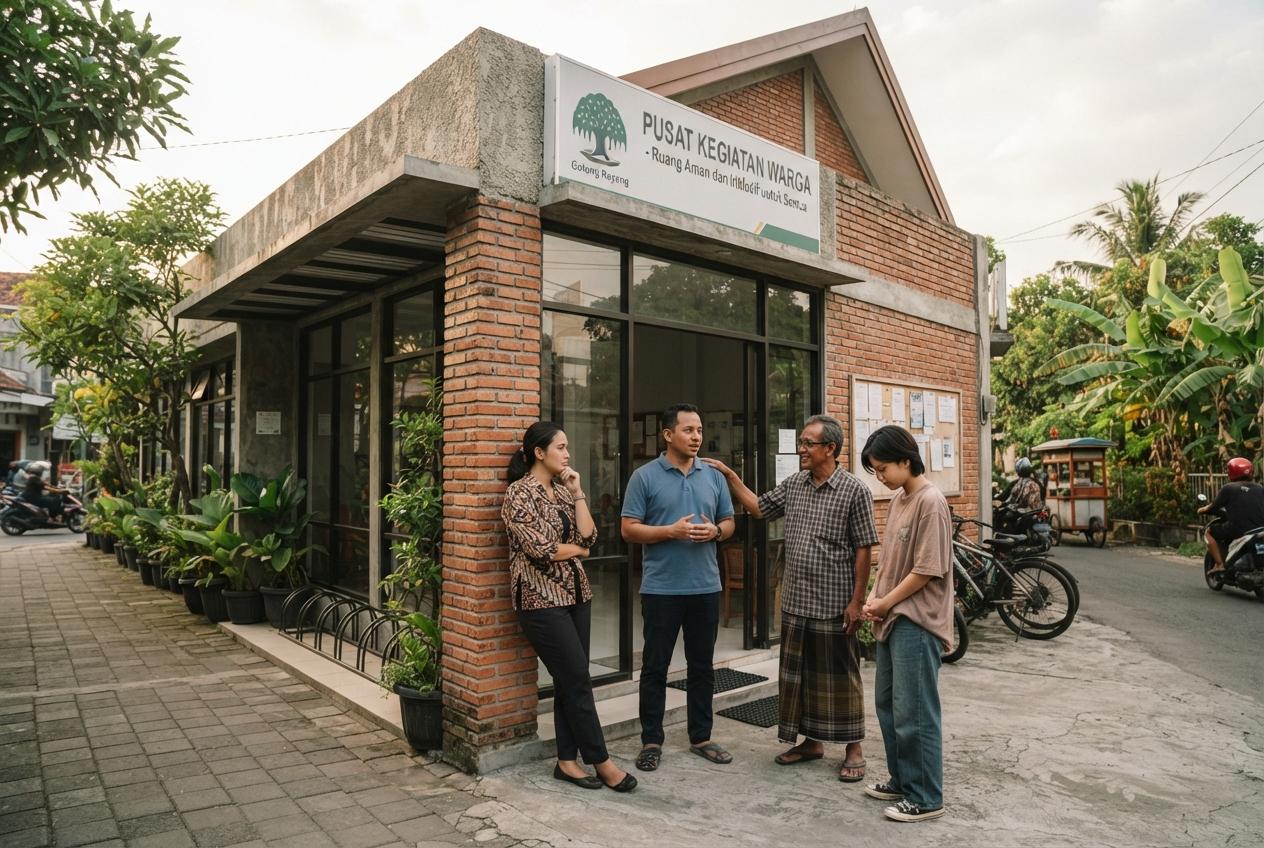
Shocked observers and grassroots organisers are scrambling as attitudes harden: community groups, legal aid networks and youth activists are using digital platforms, mutual aid and strategic legal work to protect transgender people and push back against state-backed stigma in Indonesia.
Essential Takeaways
- Worsening climate: Recent government moves and public incidents have increased threats against transgender people, with mobs and online doxxing creating visible fear.
- Legal squeeze: New regulations label LGBTQ+ “promotion” a non‑military security threat, encouraging censorship and self‑censorship across media and civil society.
- Digital double‑edged sword: Social platforms amplify attacks but also enable mutual aid, crowdfunding and rapid mobilisation for victims.
- Civil society pivot: NGOs and student groups are partnering with legal organisations to document abuses, pursue redress, and protect online spaces.
- Youth energy: Younger activists and Gen Z supporters are moving into visible organising, bringing fresh tactics and urgent volunteer power.
A shocking spike that feels both sudden and familiar
The most visceral recent example , videos of transgender women in Bogor being assaulted and humiliated , jolted the country and reminded many activists of painful patterns, with footage spreading quickly online and fuelling more harassment. Amnesty International and local press coverage have documented the attacks and called for thorough investigations, while human rights groups warned this is part of a wider trend. For survivors, the aftermath isn’t just physical; the viral sharing extends trauma and invites further threats, so immediate support and privacy protection become urgent priorities.
How a presidential security framing changed the conversation
Labeling “the promotion of LGBTQ+ culture” as a national security concern has practical consequences: it normalises moral panic and gives regulators cover to clamp down on content. Media outlets and broadcasters face a chilling effect and many journalists now avoid queer stories for fear of reprisals. Observers note this follows earlier waves of anti‑LGBT rhetoric and is feeding grassroots hostility , when political leaders frame a minority as a threat, ordinary people feel emboldened to act.
Where civil society is stepping in , legal aid, documentation and safety nets
Nonprofits and legal clinics are increasingly the first responders: documenting incidents, offering emergency legal help and working to remove doxxed material. Groups that once relied on foreign funding have had to retool after cuts to international aid, so partnerships between local NGOs, student networks and human rights lawyers are multiplying. Practical tip: survivors should be put in touch with reputable legal NGOs as soon as possible, and organisers recommend preserving evidence offline and vetting crowdfunding pages to avoid scams.
Digital life: harm and hope in the same feed
Social media is reckless and wonderful in equal measure. The same platforms that spread violent footage also let communities crowdfund medical and legal costs within hours. Activists use encrypted chats to coordinate mutual aid, and creatives turn to short videos and threads to humanise trans lives. But safety practices matter: organisers advise using privacy settings, registering fundraiser accounts under trusted persons, and training volunteers on digital security to reduce doxxing risks.
Youth, mutual aid and what effective mobilisation looks like now
Students and Gen Z activists are proving decisive , they bring energy, networks and a willingness to experiment with online tools that older groups sometimes distrust. Mutual aid campaigns, community legal funds and pop‑up support groups are low‑cost, fast reactions that save lives and rebuild morale. At the same time, long‑term advocacy needs sustained policy work and international solidarity; tiny donations and viral posts help now, but won’t change laws unless paired with strategic legal challenges and persistent public education.
What this means for journalists, donors and bystanders
Journalists must weigh the public interest against the risk of amplifying harm and should follow established safety protocols when reporting on vulnerable people. Donors and foundations can fill gaps by supporting grassroots legal defence funds and digital security training. Bystanders who want to help can amplify verified fundraisers, report abusive content to platforms promptly, and back organisations that offer direct support to victims.
It's a small change in tactics, but community cohesion and smart digital hygiene could make each next incident less devastating.
Source Reference Map
Story idea inspired by: [1]
Sources by paragraph: