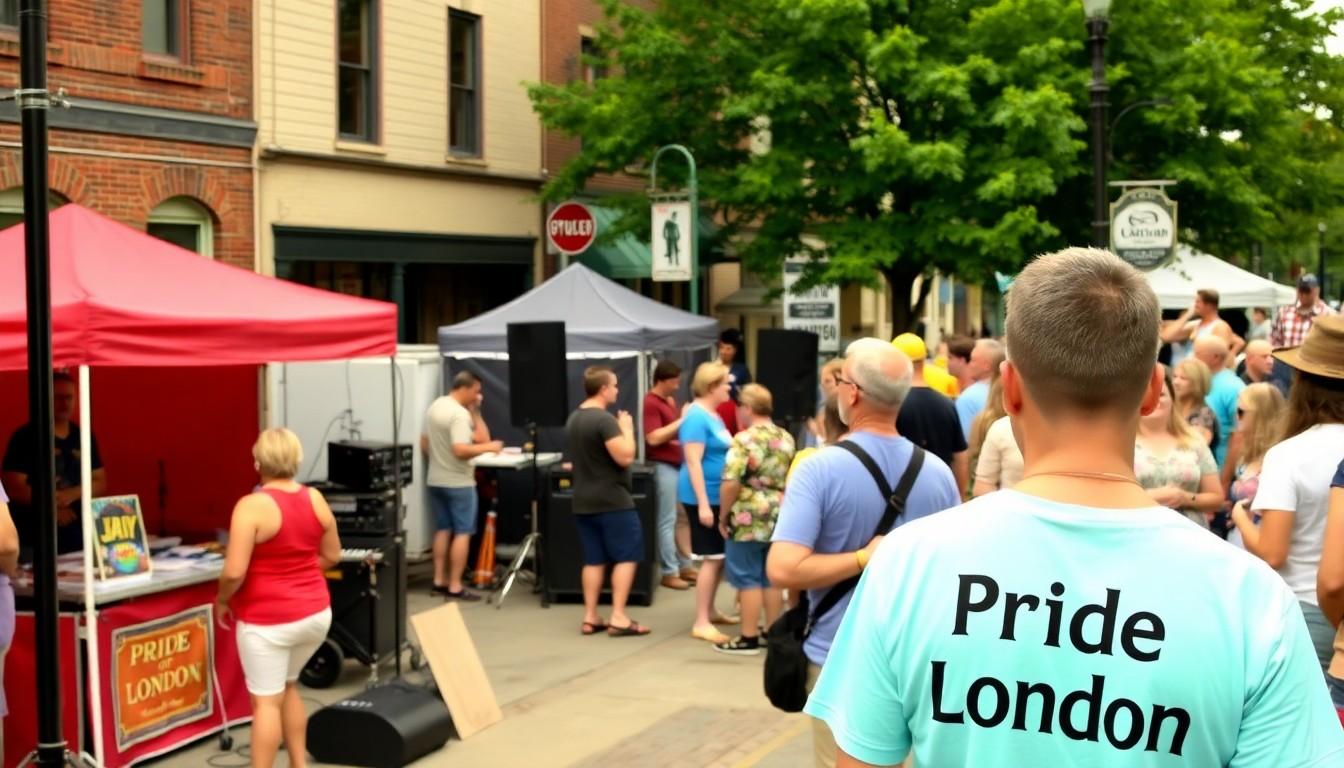
Shoppers and families in London, Kentucky are eyeing a new downtown tradition as Pride of London moves its third annual festival to the city centre on September 5; the shift has sparked local debate, highlighted tensions, and underscored why small-town Pride events matter for visibility and community safety.
- What’s happening: Pride of London is relocating to downtown London for its third festival on September 5, with vendors, community groups, music and performers.
- Community reaction: The event’s Facebook promotion drew hostile comments , slurs, accusations of “grooming,” and threats , leaving organisers and allies shaken.
- Organiser stance: Organisers say they’ll welcome everyone with love and emphasise safety, inclusivity and visibility for local LGBTQ people.
- Why it matters: Small-town Prides can reduce isolation, offer resources, and normalise queer lives in places where people say they felt “pushed in a corner.”
- Practical note: Expect a family-friendly setup near an elementary school; if you’re attending, plan for a calm, supportive presence and basic safety awareness.
Small-town pride, big reactions , the emotional backdrop
The strongest, simplest fact is this: moving Pride into a city centre invites more eyes, and sometimes more pushback. After organisers promoted the downtown date on Facebook, comments turned hostile, with some equating drag with demons and others making hurtful accusations about children. That public sting matters , organisers and residents felt it keenly, because it came from home. According to local reporting, board member Christopher Nolan described the response as deeply personal and painful.
Why organisers are pressing on , visibility and safety
Organisers say the downtown location isn’t a provocation so much as a bid for visibility. Pride festivals in smaller communities often serve as critical lifelines for people who’ve felt isolated, bullied or erased. Nolan, who grew up in London and recalls being “that queer kid,” argues that these events let others see they’re not alone. The festival will include vendors, community groups and performances, which can help connect people to local services and affirm belonging.
The online backlash , what it reveals about local tensions
The ugly comments on the event’s social posts , from slurs to claims of “grooming” , fit a pattern seen nationwide when Pride enters new public spaces. That reaction isn’t only about one event; it reflects broader social and political debates, and sometimes local fears about change. Reporting shows these flashpoints can draw protesters, but they can also prompt allies to show up; organisers say they’ll welcome everyone with love, signalling de-escalation rather than confrontation.
Practical tips for attendees and allies
If you plan to go, think simple: bring a calm, supportive attitude, wear comfortable shoes for a city-centre layout, and consider arriving early to avoid crowds. Families should know the event is billed as family-friendly despite the proximity to an elementary school, and organisers emphasise safety and inclusion. If you’re a local business or neighbour, offering water, shade or a friendly hello can defuse tension and help normalise the festival as part of civic life.
What this means for the future of community events
This move is a small but telling test: can a Pride festival in downtown London become an accepted, recurring city event? If organisers stick with the message of welcome and safety, and if residents respond with open curiosity rather than hostility, the festival could help reshape local norms. Either way, it’s already prompted conversation , prickly, necessary and very human , about who belongs in public spaces.
It’s a small change that can make every local voice a little louder.
Source Reference Map
Story idea inspired by: [1]
Sources by paragraph: