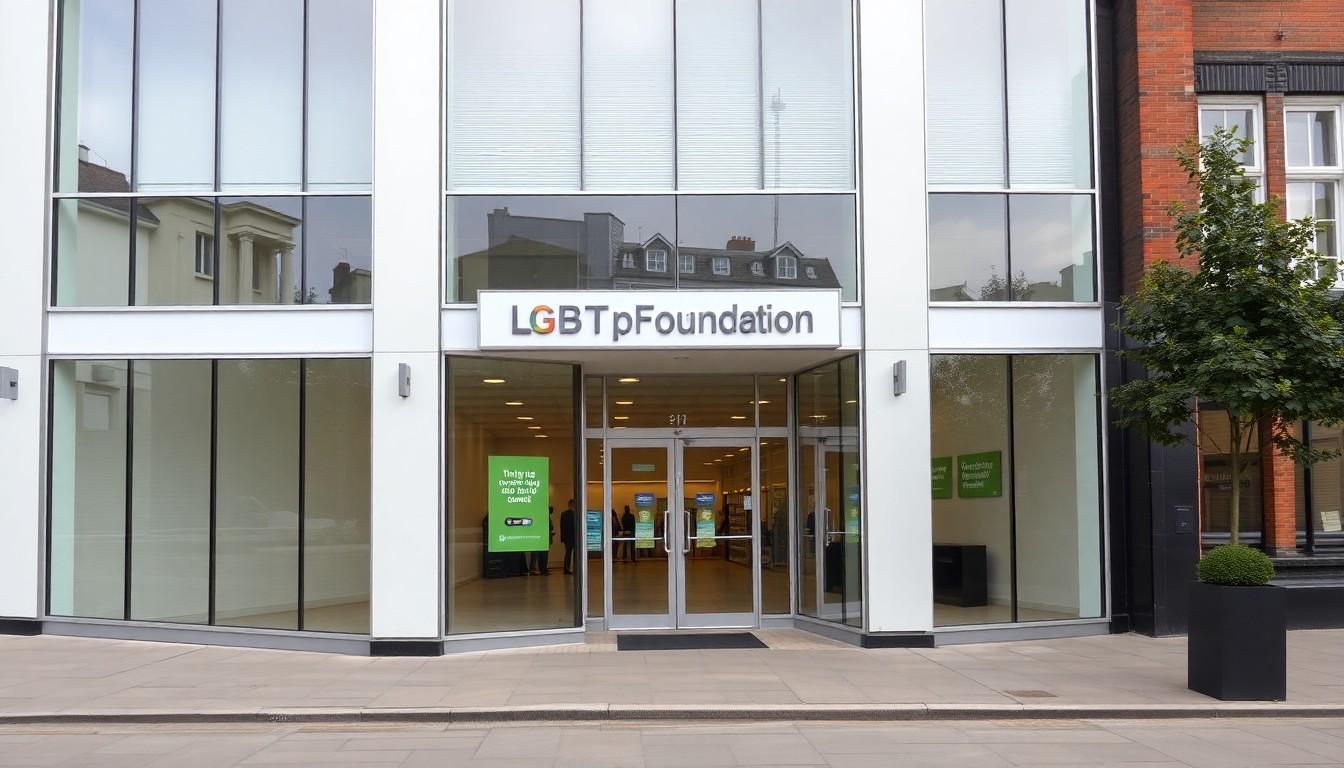
Shoppers and viewers alike have noticed a new face for LGBTQ+ advocacy , Zelah Glasson has been named a patron of the LGBT Foundation, bringing fresh visibility to trans men while helping steer practical support and community outreach across the UK. This matters because representation shifts public conversation and points people towards help.
Essential Takeaways
- New patron: Zelah Glasson, former Big Brother housemate and trans advocate, is now a patron of the LGBT Foundation.
- Visibility boost: Glasson is the first trans man from the ITV Big Brother reboot to use that platform publicly for trans representation.
- Campaign role: He’s a face of the LGBT Foundation’s Hope Starts Here campaign, mixing optimism with signposting to services.
- Practical focus: The charity provides health and wellbeing support across the UK; a patron can drive awareness and referrals.
- Context: His appointment follows large-scale public events like London Trans+ Pride, where hundreds of thousands marched for visibility.
Why this appointment is an obvious, timely move
Zelah Glasson stepping into a patron role feels both symbolic and tactical, an upbeat, approachable face tied to a service-focused charity. His time on Big Brother gave him a mainstream platform, and according to coverage in Attitude, he used it to speak frankly about life as a trans man. That mainstream recognition matters because it brings conversations about trans issues out of niche spaces and into living rooms, where everyday attitudes are formed.
What the LGBT Foundation does and why a patron matters
The LGBT Foundation offers health and wellbeing services across the UK, from mental-health support to community referrals. Having a patron who talks openly about accessing support helps normalise using those services. The charity’s history of campaigning , its leadership has been working on LGBTQ+ rights since the late 1980s , means this is part of a long game: visibility and practical help working together to create change.
Representation: why trans men need more of it
Glasson has been clear that trans men are often left out of the conversation, with media narratives skewed towards trans women. That gap matters because representation shapes who people can identify with and where they seek help. When a trans man is visible in mainstream media and then linked to a national charity, it widens the audience for messaging about safety, health and belonging.
From Pride crowds to practical help: the pathway
This year’s London Trans+ Pride saw huge turnout, and Glasson was among those calling for stronger support for trans people. Events like these are powerful emotionally , the sense of being seen is palpable , but the next step is converting that energy into concrete support. That’s where the LGBT Foundation’s services come in, and where patrons can help by directing people to helplines, local groups and resources.
How this could change everyday conversations
A patron who speaks plainly about trans experiences helps chip away at the hostility and misinformation that sometimes dominates online debate. By using visibility to normalise trans lives and point people to support, Glasson is playing the dual role of storyteller and signposter. For families, schools and workplaces, that combination can make LGBTQ+ issues harder to ignore and easier to approach constructively.
It's a small but meaningful boost for visibility that could make real practical differences.
Source Reference Map
Story idea inspired by: [1]
Sources by paragraph: