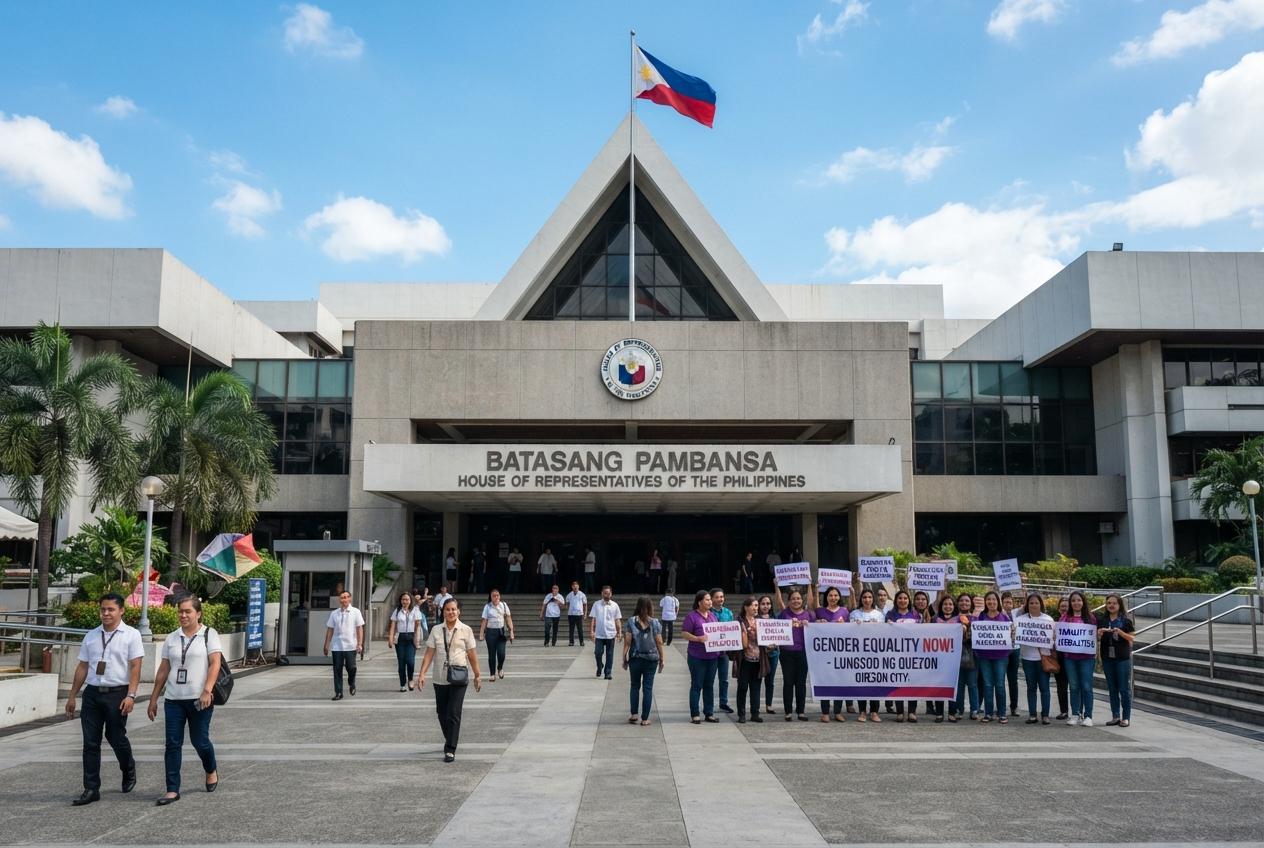
Shocked citizens and rights groups are pushing lawmakers to act after a string of killings of transgender women from June to August, calling for a House investigation, policy review, and faster, transparent police work to stop a pattern that’s left families grieving and communities fearful.
Essential Takeaways
- Resolution filed: The Makabayan bloc has asked the House Committee on Women and Gender Equality to investigate recent trans killings and review existing protections.
- Recent cases noted: Victims include Jang Caes Macawili in Cebu, Bella Lutap in Nueva Ecija, and others whose deaths raised fresh concern over gender-based violence.
- Calls for accountability: The Commission on Human Rights and gender-rights groups urge prompt investigations, prosecution, and measures to end impunity.
- Legislative push: Supporters say passage of the SOGIESC Equality Bill and the Comprehensive Anti-Discrimination Bill would create stronger legal protections.
- Families and communities: Groups demand that inquiries meaningfully involve victims’ families and transgender communities and that police share clear, timely updates.
Why lawmakers say a probe is overdue
A pattern of violence feels unmistakable to advocates and affected families, not just isolated tragedies, and that’s why the Makabayan bloc has pushed House Resolution No. 1369. The latest fatality, a shooting at an internet café in Cebu, landed amid a string of deaths over the summer, and the sense of urgency is tangible and raw. According to the Commission on Human Rights, these killings fit the definition of transfemicide , gender-based attacks fuelled by transphobia and misogyny , which makes a parliamentary response more than symbolic. For lawmakers, an inquiry is a chance to map trends, press for accountability, and outline immediate policy fixes.
What families and rights groups are demanding
Groups like the ASEAN SOGIE Caucus, Bahaghari, and local trans organisations want more than condolences; they want transparent, speedy investigations that include victims’ families and transgender people at every step. They’ve stressed that meaningful change requires evidence-based hearings and community participation, not closed-door reviews. Human Rights Watch and other international observers have highlighted the broader climate that enables such violence, and local councils have been asking police to show progress. Practically speaking, families want regular case updates, protection for witnesses, and prosecutions that don’t drag on.
Where the law stands and what could change
Advocates point to two pending measures: the SOGIESC Equality Bill and the Comprehensive Anti-Discrimination Bill, which would criminalise systemic discrimination and create clearer recourse for marginalised groups. Passage would give prosecutors and police stronger tools to treat attacks motivated by gender identity as hate crimes, while also requiring government agencies to adopt protective policies. Meanwhile, law enforcement has been asked for data on homicide victims disaggregated by gender identity, but requests have gone unanswered, underscoring why transparency reforms are part of the conversation. If the House moves quickly, hearings could produce concrete policy recommendations and a roadmap for implementation.
Police data, transparency and the information gap
Advocates and journalists alike have sought decade-long homicide data split by gender identity to show whether transgender people face disproportionate risk. So far, the Philippine National Police has not provided that breakdown, leaving a gap that fuels suspicion of undercounting and misclassification. Human Rights Watch and others have flagged how weak reporting and stigma can mask patterns, while some local police offices have responded to community pressure with arrests in individual cases. A central objective of the proposed House probe is to compel agencies to standardise reporting, publish regular updates, and adopt protocols that ensure victims are correctly identified and their cases prioritised.
What to expect from the hearings and next steps
If the Committee on Women and Gender Equality takes up the resolution, hearings could slot in testimony from grieving families, trans advocates, human rights groups, and police officials. That mix gives the process credibility, but outcomes will hinge on follow-through: whether recommendations turn into legislative amendments, new police protocols, better data collection, and protections for vulnerable witnesses. Observers say the true test will be whether prosecutions increase and whether communities stop seeing the same pattern repeat. For now, the call is clear , an inquiry that’s thorough, public, and centred on the people affected.
It's a small change in process that could make every investigation fairer and every community safer.
Source Reference Map
Story idea inspired by: [1]
Sources by paragraph: