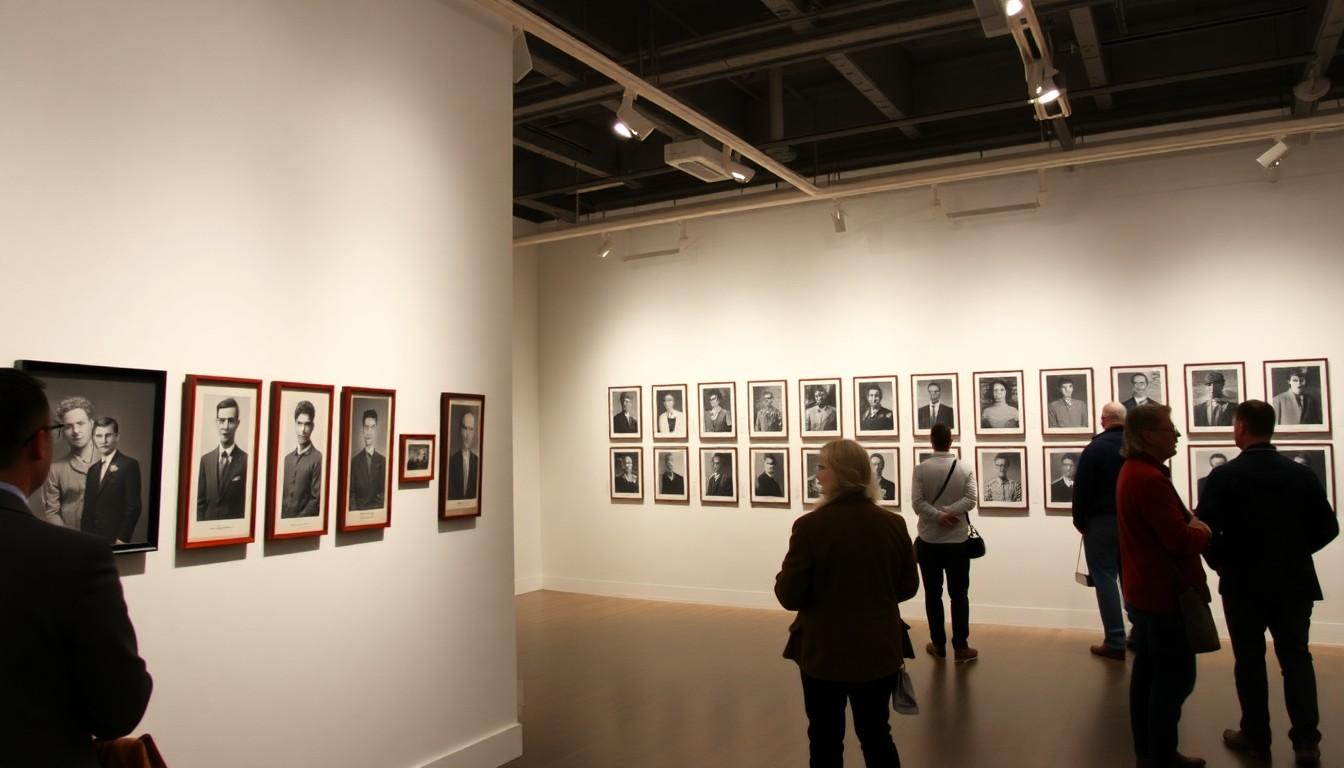
Spotlight a century of masculine queer lives: visitors are flocking to Queer Arts Featured in San Francisco to see "Rebels, Criminals, Pioneers: Masc Heroes of the QPA Queer Photo Archive (1906–1976)", a striking show of nearly fifty large-format vintage news photographs that trace queer masculine expression and resistance across seven decades.
Essential Takeaways
- Rare vintage prints: Nearly fifty large-format news photographs, crisp and imposing, spotlight masculine-presenting people from 1906–1976.
- Broad cast of subjects: The archive includes passing men, mid-century butches, gender-variant AFAB figures, performers and everyday trailblazers.
- Stories of resistance: Several images document people who faced arrest or legal battles for living as men, lending the show a sober, powerful edge.
- Curatorial care: Co-curated by Leo Vargha and Jenni Olson, the exhibit mixes archival rigour with cinematic storytelling; the prints feel both intimate and cinematic.
- Runs through September 27, 2026: The exhibition is on view at Queer Arts Featured in San Francisco, pairing local cultural context with wider queer histories.
Why this exhibition lands so hard
Walk into the gallery and the first thing you notice is scale, the photographs are large, their details almost tactile, and there’s a faint, museum-quiet hum that lets the faces speak. The show centres masculine-presenting queer people across eras, so you move from moments of playful performance into images that read like acts of defiance. That emotional arc is deliberate; according to the show’s materials, these are archival news prints chosen to underline continuity, not anomaly, in queer masculine life.
How the archive was put together and why it matters
The collection was co-curated by Leo Vargha, an archivist and filmmaker, and Jenni Olson, a veteran film historian, who together threaded narratives of visibility and survival through seven decades. They pulled photographs that span from early 20th-century "passing" men to 1970s trans-rights fights, showing that masculine queer identities have deep, uninterrupted roots. Readers will recognise the curatorial aim: to counter the idea that modern visibility is the only history worth telling.
Standout stories you’ll remember
Several portraits come with tough backstories, people like Jack Starr, Joe Foley, Charles Williams and James Phipps are named in the press material for having been arrested for existing as men. The exhibition also honours trans history figures such as Sir Ewan Forbes, a Scottish baron who lived openly as a trans man in the 1950s, and Steve Dain, a California schoolteacher who helped catalyse trans-rights struggles in the 1970s. These are not abstract lessons; they’re human stories you can see, which makes the show quietly radical.
Where this sits in the city’s cultural pulse
Queer Arts Featured is part of a lively San Francisco conversation that connects archives, public art and queer memory. The gallery’s programme has been pairing neon installations and community-focused projects with archival exhibitions, so this show feels woven into a wider civic reckoning with queer visibility. If you’re in the Castro or nearby cultural hubs, it’s a tidy, urgent stop that resonates with other local offerings focused on queer heritage.
Practical tips for visiting
- Go early in the day for quieter viewing and to read the captions without a crowd.
- Bring a camera only if the gallery allows it; otherwise, take time to look closely, the prints reward slow looking.
- Read the placards: many images come with legal and personal context that deepens the emotional punch.
- Pair your visit with a walk around the Castro or a stop at community venues doing related programming.
A quick word on preservation and access
Exhibiting large-format vintage news photographs raises practical questions about conservation and access. The curators have balanced showing rare prints with protecting fragile material; that means some images might be rotated or shown with protective glazing. For people who can’t travel, check if Queer Arts Featured or the archive offer online resources, these institutions increasingly stream talks or publish contextual essays.
Why you should care
This show matters because it reframes familiar narratives about queer history: masculinity in queer communities is not new, nor marginal; it’s been photographed, policed, performed and loved across decades. Seeing those faces together is both comforting and jolting, comforting in the sense of lineage, jolting because those images insist on being seen.
It's a small change that can make every history lesson feel more intimate and more real.
Source Reference Map
Story idea inspired by: [1]
Sources by paragraph: