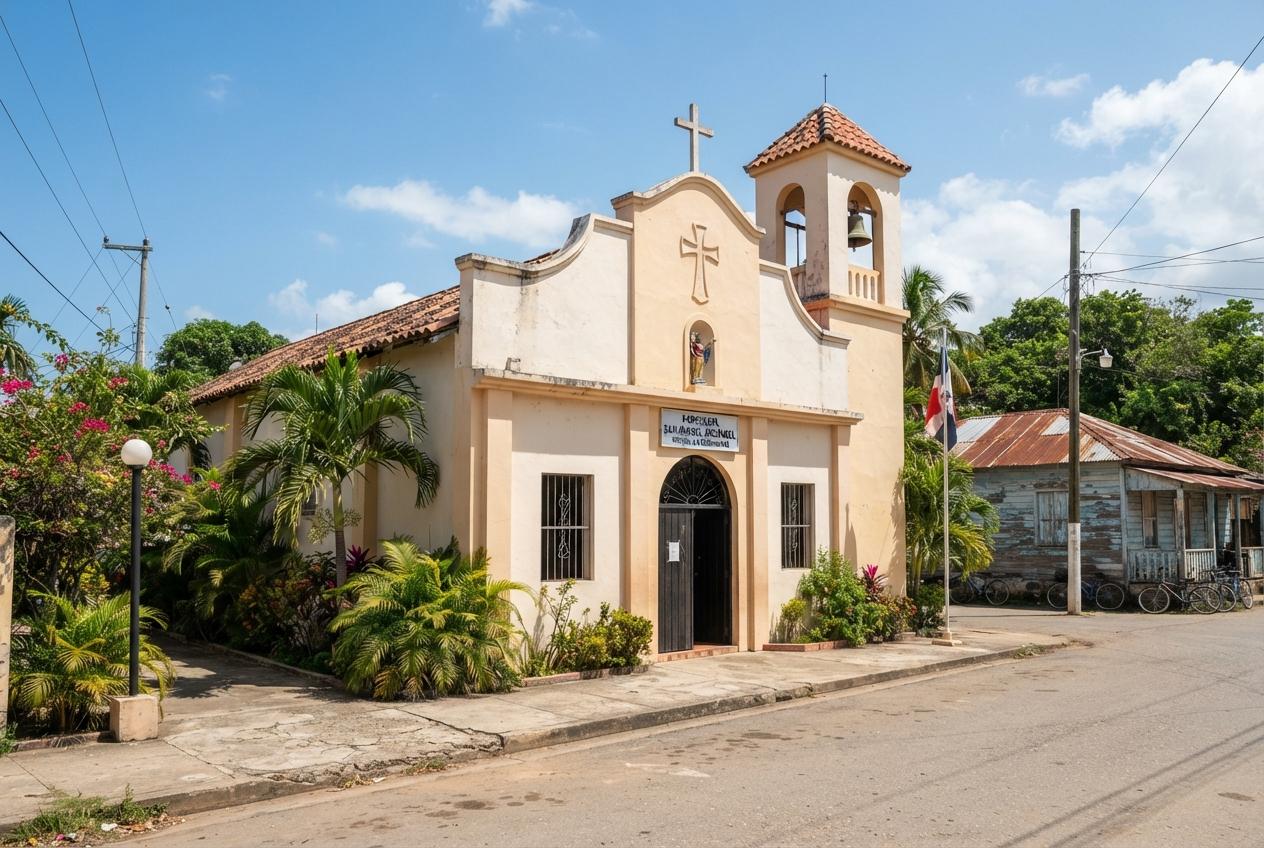
Notice how Pope Leo XIV’s call for human dignity is prompting fresh conversations about how the church in the Dominican Republic should care for LGBTQ Catholics; clergy, advocates and everyday believers are asking why pastoral outreach still lags behind rhetoric, and why it matters for faith, community and human wellbeing.
Essential Takeaways
- Papal emphasis: Pope Leo XIV has repeatedly highlighted human dignity and pastoral accompaniment, urging bishops to listen and avoid hurtful judgement.
- Legal landscape: The Dominican Republic does not criminalise same-sex relations, yet recent legislation deliberately removed anti-discrimination protections.
- Pastoral gap: Many LGBTQ Catholics face exclusion, forcing painful choices between living openly or hiding their identity.
- Practical hope: Advocates and some church leaders seek inclusive pastoral practices that honour both doctrine and the lived dignity of people.
- Why it matters: Exclusion takes a spiritual as well as social toll, turning dignity into an abstract ideal rather than a lived reality.
A papal nudge that feels pastoral rather than prescriptive
Pope Leo XIV’s recent remarks in Spain put pastoral care and human dignity back at the centre of church life, striking a tone that feels calm and invitational rather than doctrinally combative. His call , to renounce hurtful words, gossip and quick judgement , landed as an appeal for concrete charity within communities. According to news coverage, the Pope framed this as a shepherd’s responsibility to listen and accompany, which many see as encouragement to national churches to rethink how they treat marginalised people. For believers in the Dominican Republic, those words can be a touchstone for asking how parish life might become more welcoming. If clergy take this seriously, it offers a pathway to restore trust without demanding abrupt theological reversals.
Law, social reality and the gap in everyday dignity
Legally, same-sex relationships are not criminal in the Dominican Republic, but recent penal-code changes removed specific protections for LGBTQ people, a move that civil-rights advocates called erasure. That gap between legal form and lived safety is a familiar pattern across Latin America: some countries combine progressive laws with persistent violence or stigma, while others lag on legal protections and suffer acute social exclusion. For pastoral practice, this means the church cannot rely on law alone to ensure dignity; parish-level outreach, safe spaces and public statements from bishops matter in shaping everyday experience. Simple measures , clear anti-bullying policies at parish schools, explicit welcome statements from parishes, and training for clergy , can help close the distance between principle and practice.
What exclusion looks like in church life
For many LGBTQ Dominican Catholics, exclusion is not only legislative but personal: ridicule in pews, denial of pastoral services, or a sense of being spiritually abandoned. That creates a painful inner dynamic where dignity gets internalised as shame, and baptismal freedom feels out of reach. Myriad reports and testimonies highlight the cost: some choose to hide, others emigrate if they can, and some fall prey to exploitative situations when acceptance is scarce. Practically, pastoral responses that prioritise presence , visiting the sick, offering counselling without condemnation, and ensuring sacraments where possible , can be lifesaving. Church communities that model listening and accompaniment may reverse the spiritual isolation many describe.
Signs of change and the limits of official signals
There are encouraging signals from Rome and from some dioceses that a more open pastoral posture is being emphasised; the Vatican has been sending cautious messages of welcome while also setting boundaries, and the Holy Father himself has met with LGBTQ advocates. Yet these gestures come with limits and leave unresolved tensions about doctrine, marriage and ministry roles. Observers argue that incremental, pastoral-first changes can be effective: when clergy prioritise human dignity and accompaniment, people feel safer and communities can gradually shift. Still, without clear local commitments, papal tone risks remaining symbolic rather than transformative.
Concrete steps parishes can take now
If parish leaders want to translate rhetoric into reality, they can start with low-friction, high-impact steps. Host listening sessions where LGBTQ Catholics and families can speak without fear; adopt inclusive language in parish communications; train pastoral workers in trauma-informed care; and collaborate with civil-society organisations to protect vulnerable people. For clergy, the simple practice of showing up , visiting, naming dignity publicly, and refusing gossip , goes a long way. These measures don’t require doctrinal gymnastics, only a willingness to embody the Pope’s injunction that no consideration can eclipse human dignity.
Why this conversation matters beyond identity politics
At stake is more than policy or public image: it’s about whether the church lives up to its own claims of being a field hospital, a place of consolation, and a community of belonging. When people internalise rejection, their spiritual lives suffer and the church loses credibility as a moral actor. Embracing pastoral practices that protect dignity can heal wounds in families and communities, and make faith credible again for those who’ve been pushed to the margins. As observers note, encounter precedes conversion; listening opens the door to transformation much more reliably than exclusion ever will.
It's a small change that can make every pew feel more like home.
Source Reference Map
Story idea inspired by: [1]
Sources by paragraph: