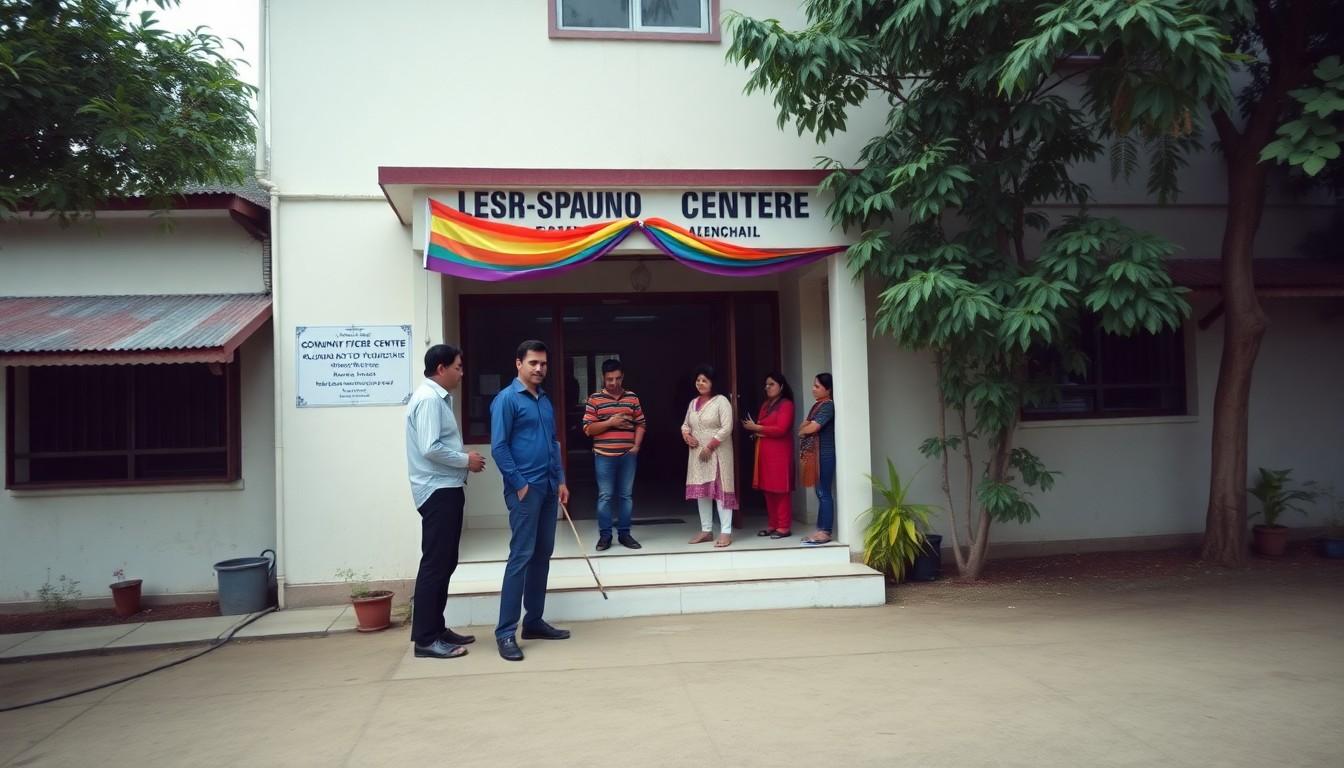
Shocking but important: a fresh local survey finds LGBTQIA+ people in Arunachal Pradesh face frequent harassment, conceal their identities and fear institutions, underlining why targeted awareness, mental-health support and safe reporting matter now more than ever.
Essential Takeaways
- Widespread harassment: Most respondents reported verbal harassment and over half faced threats or physical violence at least occasionally.
- Identity concealment common: Nearly half said they hide their gender or orientation most of the time or always.
- Education and work hit: Large shares reported discrimination in schools, colleges and workplaces, with many changing appearance or behaviour to stay enrolled or employed.
- Mental-health strain: Three quarters experienced stress or anxiety linked to discrimination; peer support is uneven.
- Practical support gaps: While healthcare felt comparatively respectful, confidence in legal protections and police sensitivity remains low.
A stark local snapshot , what the numbers show
The HimKai Research Institute in Itanagar ran an anonymous online survey of people across Arunachal Pradesh and captured a quiet, unsettling picture, verbal abuse was reported by nearly everyone, and physical threats were common too. The tone of the findings is anxious and intimate; respondents spoke of hiding who they are, of low confidence in institutions, and of feeling unsafe in their communities. According to regional reporting, this is one of the first locally rooted attempts to quantify everyday harms rather than rely on national-level assumptions.
Why families, schools and workplaces matter here
Responses show family rejection and school or college discrimination are major pressure points, with half saying they rarely or never felt accepted at home and most reporting education-related bias. That matters because exclusion at these earlier stages often shapes employment prospects and mental health. Observers quoted in regional coverage note that tribal identities, faith and local culture intersect with these experiences, so any response has to be community-specific rather than one-size-fits-all.
Mental wellbeing and peer networks , where help is missing
Three in four respondents reported stress, anxiety or emotional distress tied to discrimination, and peer or mental-health support was spotty. Friends were cited as the main support source, followed by LGBTQIA+ networks, but many still lack reliable professional care. The report recommends expanding confidential counselling, strengthening peer initiatives and building community spaces , changes that would help stem the very real psychological toll revealed by the survey.
Institutions, law and the trust deficit
While more than half of respondents said they knew their legal rights, many disagreed that laws protect them or that police respond sensitively. That gap between awareness and trust is crucial: if people don't believe institutions will help, they won't report abuse and problems go unaddressed. The study underlines the need for sensitisation training for police, healthcare staff and public servants, plus confidential reporting mechanisms so people can seek redress without risking exposure.
Where small, practical changes could make a quick difference
Sensitisation programmes in schools and workplaces, inclusive HR practices, local engagement with faith and community leaders, and clear, confidential complaint channels are among the report's practical suggestions. Healthcare felt relatively better, so expanding that strength, by linking trusted providers to peer networks and mental-health services, could create immediate relief. For readers in the region, simple steps like forming or joining local peer groups, pushing for anti-discrimination policies at colleges, or supporting sensitisation workshops can help.
It's a small set of policy and community shifts that could make everyday life safer for LGBTQIA+ people in Arunachal Pradesh.
Source Reference Map
Story idea inspired by: [1]
Sources by paragraph: