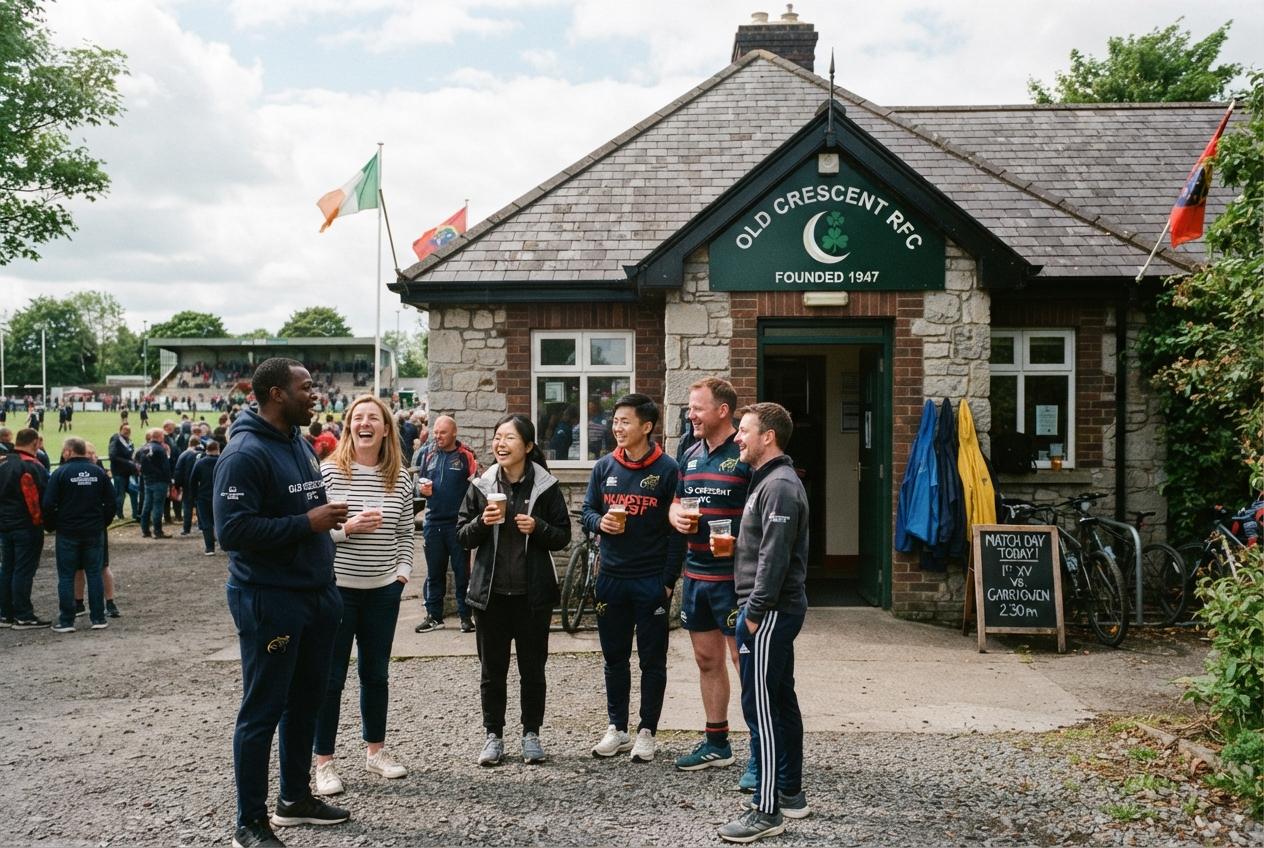
Shoppers are turning out for more than rugby , the Lynch Cup returns to Limerick on 15 August, bringing players, families and allies together for a day of tag and contact matches, a new women’s+ team debut and an evening social that celebrates inclusion and the legacy of Sarah Lynch.
Essential Takeaways
- What: The Lynch Cup is an LGBTQ+ inclusive rugby tournament combining tag and contact matches, plus an evening social.
- Who: Organised by Sarsfields Rugby, the Mid‑West’s first LGBTQ+ inclusive club, now over 100 members strong.
- When and where: Saturday 15 August, with community activities and matches in Limerick; spectator entry is free.
- Partner support: Sporting Pride, the IRFU, EU Communities Fund and charity partner GOSHH are backing the event.
- Atmosphere: Expect competitive games, friendly banter, a proud, welcoming crowd and a mild post‑match social buzz.
A stronger return: bigger tournament, same warm spirit
The Lynch Cup is back and the mood is upbeat and purposeful, with organisers promising a bigger, better event while keeping the original intent clear. Sarsfields Rugby started the tournament to honour Sarah Lynch, a teammate whose sudden passing spurred the club to create a day that celebrates belonging. The pitch will feel charged and cheerful, a mix of competitive hits and supportive cheers.
Sarsfields has grown quickly since launching in 2022, and the tournament reflects that momentum. According to club organisers, last year’s event drew hundreds of players and supporters, and this year the backing from Sporting Pride, the IRFU and the EU Communities Fund shows growing institutional recognition. If you go, expect the same inclusive vibe , people of all backgrounds playing, volunteering and socialising together.
Why this matters: safe spaces in sport
Grassroots rugby can still feel exclusive, so Sarsfields’ role as the Mid‑West’s only LGBTQ+ inclusive club matters. The group operates largely on volunteers and has become one of the region’s largest safe spaces for LGBTQ+ people to train, play and make friends. That kind of local community work makes getting on the pitch less intimidating, and it gives people practical pathways into a sport they might otherwise have avoided.
For anyone curious about joining a team, the Lynch Cup is a gentle on‑ramp. You’ll see tag rugby for mixed ability and contact matches for experienced players, so there’s a place to start whatever your comfort level. Clubs like this show how sport can be both competitive and deeply communal.
New debut: women’s+ contact team takes the field
One of the tournament highlights this year is the debut of Sarsfields’ newly formed women’s+ contact team. It’s a proud milestone for the club and the tournament, signalling growth in participation and representation. The sight of a new team lining out for the first time adds a real human note , you can almost feel the nerves and excitement from the touchline.
This matters beyond a single match. It’s a sign to other clubs that creating space for women, trans and non‑binary players is both possible and popular. If you’re choosing where to train or play, look for teams that advertise open training sessions and inclusive codes of conduct , those are usually the places with staying power.
How the day works and what to expect
The Lynch Cup mixes competitive tag and full contact rugby across the day, then shifts into an evening social event where conversation and community take centre stage. Spectator admission is free, though organisers encourage donations to the event’s charity partner, GOSHH, which supports sexual health and wellbeing for LGBTQ+ people in the Mid‑West.
Practical tip: bring layers for variable Irish weather, comfortable footwear if you plan to wander the park, and a small change for the charity stall. Volunteers usually run a high‑energy, friendly operation, so arriving early makes it easier to find a good viewing spot and to catch the social events afterwards.
The community angle: charity, partners and future outlook
Partnering with GOSHH gives the Lynch Cup a clear community focus beyond sport. The charity works locally to improve sexual health services and wellbeing, and organisers say the collaboration highlights the importance of visible, safe spaces. Institutional support from bodies like the IRFU and EU funding suggests events like this could inspire similar initiatives elsewhere.
Looking ahead, the tournament feels less like a one‑off and more like the start of a regional movement. As Sarsfields builds membership and visibility, other clubs may follow suit, making rugby more accessible across Ireland. It’s the sort of small cultural shift that changes weekend plans and, quietly, people’s lives.
It's a small change that can make every match feel a bit more welcoming.
Source Reference Map
Story idea inspired by: [1]
Sources by paragraph: