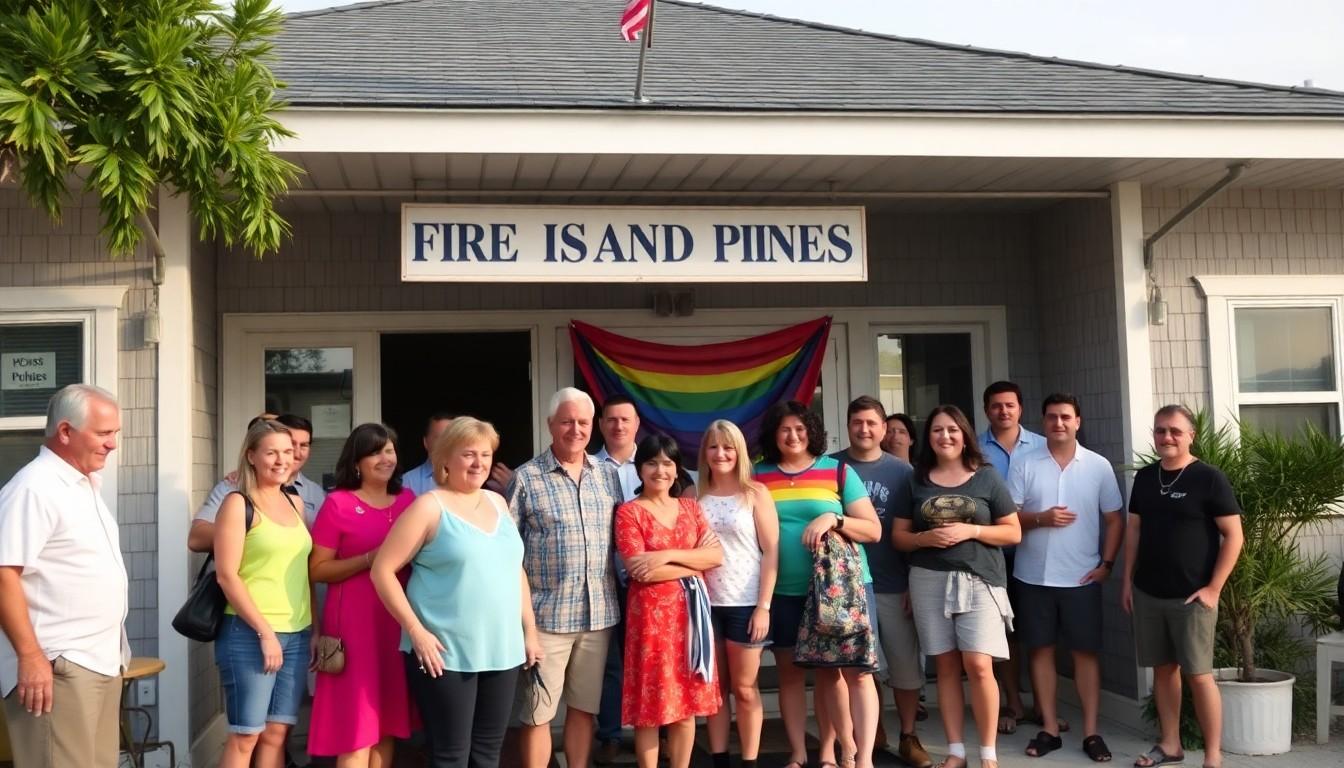
Discovering Fire Island Pines as more than a party spot , a storied LGBTQ refuge and fundraising hub that still rallies the community, inspires activism, and gives trans visitors special moments. Here’s why the island’s past and present matter if you care about queer history, philanthropy and safe spaces.
Essential Takeaways
- Historic refuge: Fire Island Pines has served as a safe haven for gay people since the 1920s and attracted cultural figures from Truman Capote to theatre-makers.
- Advocacy birthplace: Lambda Legal traces key early organising and fundraising back to conversations and events on the island.
- Fundraising power: Pines events have raised substantial sums for HIV/AIDS research and legal advocacy, bringing community dollars and visibility.
- Inclusive events: The Doll Invasion and similar initiatives centre trans visitors and raise funds for trans organisations, offering free access and celebration.
- Local character: Small businesses and institutions , think poolside chats, iconic bars and the Pines Liquor Shop , are woven into the island’s social fabric and memory.
A refuge with a feel: why the Pines still hums with history
There’s a particular hush on the ferry as you approach Fire Island Pines , salt air, dunes, and a sense that you’re leaving the mainland behind. That quiet masks decades of queer life and resistance, and it’s easy to feel the past in the place’s soft wooden walkways and tucked-away houses. According to long-form histories, the Pines became a sanctuary for gay men from the 1920s onward, drawing writers, artists and community organisers who found privacy and permission to be themselves.
Over time that informal refuge evolved into a site of serious advocacy and philanthropy. Conversations that began poolside and at dinner tables have led to organized legal fights and large-scale fundraisers. For readers who picture Fire Island as only parties and sun, it helps to remember that every sunset sits on top of a deeper story of survival and social organising.
Where advocacy took root: Lambda Legal and fundraising legacies
Some of the country’s best-known LGBTQ advocacy threads run through the Pines. Lambda Legal’s early organising and fundraising are tied to the island’s social life, where activists and donors rubbed shoulders and planned next steps. Fundraisers held in the Pines have produced impressive results; during the worst years of the HIV/AIDS epidemic, island events raised significant sums for research and care.
That model , social gatherings that double as political and financial mobilisation , still works. Fundraising on the island continues to pull in six-figure gifts, which shows how place-based networks remain critical for sustaining advocacy and legal battles.
Parties with purpose: how social life became political muscle
You can celebrate and organise at the same time on Fire Island. Nightlife, tea dances and house parties are more than escapism; they’re opportunities to build networks and fund causes. In practice that means events that feel effortless , rooftop chatter, a late-night fundraiser , but deliver measurable outcomes for nonprofits and media outlets alike.
If you want to host or support something similar, think local: choose hosts embedded in the community, make entry meaningful with educational moments, and ensure proceeds go where they can do long-term work. The Pines shows those modest design choices can make a big difference.
Making space for trans visitors: Doll Invasion and inclusion
Fire Island has a complicated record on inclusivity, like many historic queer spaces, but recent initiatives are explicit attempts to broaden who gets to belong. The Doll Invasion, for instance, offers free visits for trans people, combining celebration with fundraising for trans advocacy groups. It’s a joyful, visual counterpoint to the idea of exclusion , and Vogue and Dazed have documented how powerful those moments can be.
Practically speaking, initiatives like this do more than invite new faces: they change who feels at home on the island. If you care about access, look for events that cover travel or lodging costs, centre safety, and partner with established trans-led organisations.
The local threads: businesses, stories and why place matters
Walk into the Pines Liquor Shop or the old Meat Rack and you meet more than proprietors; you meet living archives. Small establishments, longstanding traditions and names repeated at every fundraiser stitch the community together. PinesHistory and local archives preserve images and oral histories that remind us these places are built by people showing up, season after season.
For visitors, that means treating Fire Island as a living community rather than a backdrop. Support local spots, ask about their histories, and listen , the conversations you have on porches or at fundraisers are part of the island’s ongoing story.
Closing Line
It’s a small change to see the Pines as both party and polity , but it makes every visit feel more meaningful.
Source Reference Map
Story idea inspired by: [1]
Sources by paragraph: