Marvel at how flags, films and unexpected friendships at WorldPride Amsterdam laid bare the work still to do , and why the long-tail goal of "zero flags" matters for LGBTQ+ rights everywhere. This report follows activists, soldiers, a Prime Minister and a filmmaker to explain what Pride looks like when celebration meets hard reality.
Essential Takeaways
- Zero Flags display: A stark installation showing 63 national flags where homosexuality is criminalised, each tagged with penalties , two years to death, a visual that feels heavy and urgent.
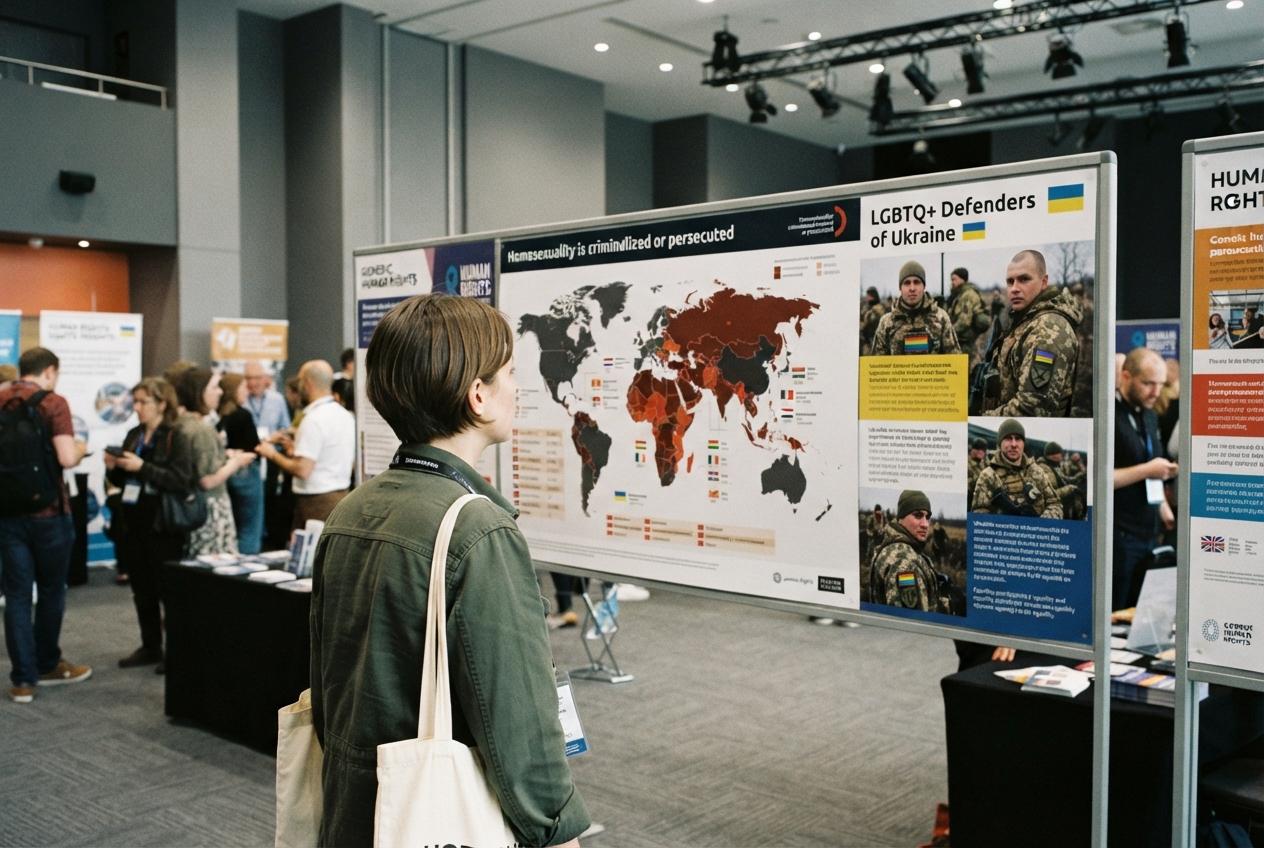
- Ukrainian Pride in wartime: Photographs from KharkivPride and Kyiv Pride juxtapose soldiers in uniform with marches held in shelters and streets, a mix of quiet determination and fierce pride.
- Documentary revelation: "1946: The Mistranslation That Shifted Culture" reframes how a single translation choice shaped modern Christian attitudes toward homosexuality.
- Intergenerational bridge: A filmed conversation between a Stonewall veteran and a 23-year-old Nigerian influencer showed how decades and continents still share the same struggle.
- Political solidarity: Dutch Prime Minister Rob Jetten’s public support underscored how visible leadership can feel both symbolic and deeply personal to activists.
A path of flags that makes Pride feel urgent
The Zero Flags installation is one of those things you see and can’t unsee, the fabric rustling with real human cost. Walking beneath 63 flags , each paired with the legal penalty for same-sex relations , turns abstract statistics into a corridor of consequence.
The project purposefully names its aim: zero flags. Organisers told visitors they’ll keep showing the display until there’s nothing left to fly. That framing shifts Pride from party to project, reminding even seasoned activists that legal change remains incomplete in many parts of the world.
If you’re visiting a Pride event, pause at memorial-style exhibits like this. They’re a quick, emotional school on why global solidarity matters and who still needs allies on the ground.
Ukrainian Pride in uniform: soldiers, shelter marches and resilience
In a conference hall exhibit, photos from KharkivPride and Kyiv Pride captured something almost cinematic: soldiers in uniform beside images of a subway shelter parade early in the war, then marches later with crowds filling city streets.
A lesbian captain’s simple message , equal duties, unequal rights , hit hard. And soldiers declaring they defend Ukraine so everyone can have equal rights gives a different texture to the idea of civic service.
This isn’t just about symbolic inclusion. It’s about rights in law and culture while a country defends its borders. If you’re considering donating or volunteering, groups that support LGBTQ+ Ukrainians are a direct route to help people juggling war and identity.
The film that reframes scripture: why 1946 matters
"1946: The Mistranslation That Shifted Culture" emerged as a highlight for many visitors, blending archival sleuthing with a personal family story that gives the research emotional ballast. The film traces how a translation choice decades ago helped codify certain modern Christian views about homosexuality.
Critics and documentary sites noted the film’s meticulous reporting and the way it stitches linguistic history to contemporary harm. For viewers raised on certain biblical interpretations, it’s an eye-opener , and for families wrestling with faith and identity, it’s often a starting point for new conversations.
If you’re curious, screenings and panel discussions at festivals are ideal: you get both the history and the opportunity to hear how communities are reinterpreting scripture today.
When leaders get personal: politicians, selfies and solidarity
A selfie with the Dutch Prime Minister was a striking moment of visibility , and a reminder that public endorsements from leaders can mean more than a photo op. When politicians publicly credit activists for progress, it humanises policy and signals a willingness to defend minority rights.
But visibility isn’t the same as full protection. The Prime Minister’s presence fed the celebratory energy in Amsterdam while the exhibits and films kept the tone sober: Pride can be both joyous and demanding.
For campaigners, this is a playbook moment. Use high-profile support to amplify on-the-ground needs, whether law changes, funding for asylum seekers, or protections in the armed forces.
Bridging generations: a 75-year-old activist and a 23-year-old from Nigeria
One of the gentlest but most revealing slices of WorldPride came during an intergenerational filmed conversation. A Stonewall-era veteran sat with a young Nigerian influencer and the exchange felt less like an interview and more like mentorship across oceans.
Nigeria still criminalises same-sex relations harshly, so the younger activist’s perspective was urgent and grounded in risk. Yet the two quickly found common cause: rights, dignity and the same steady refusal to be erased.
That scene underlined a truth the festival kept returning to , Pride is not a single moment but a shared, cross-generational struggle. If you want to support global activists, look for groups that centre local leadership and safety.
Closing line It’s a small change that can make every Pride moment mean more , aim for zero flags, not just one parade.
Source Reference Map
Story idea inspired by: [1]
Sources by paragraph: