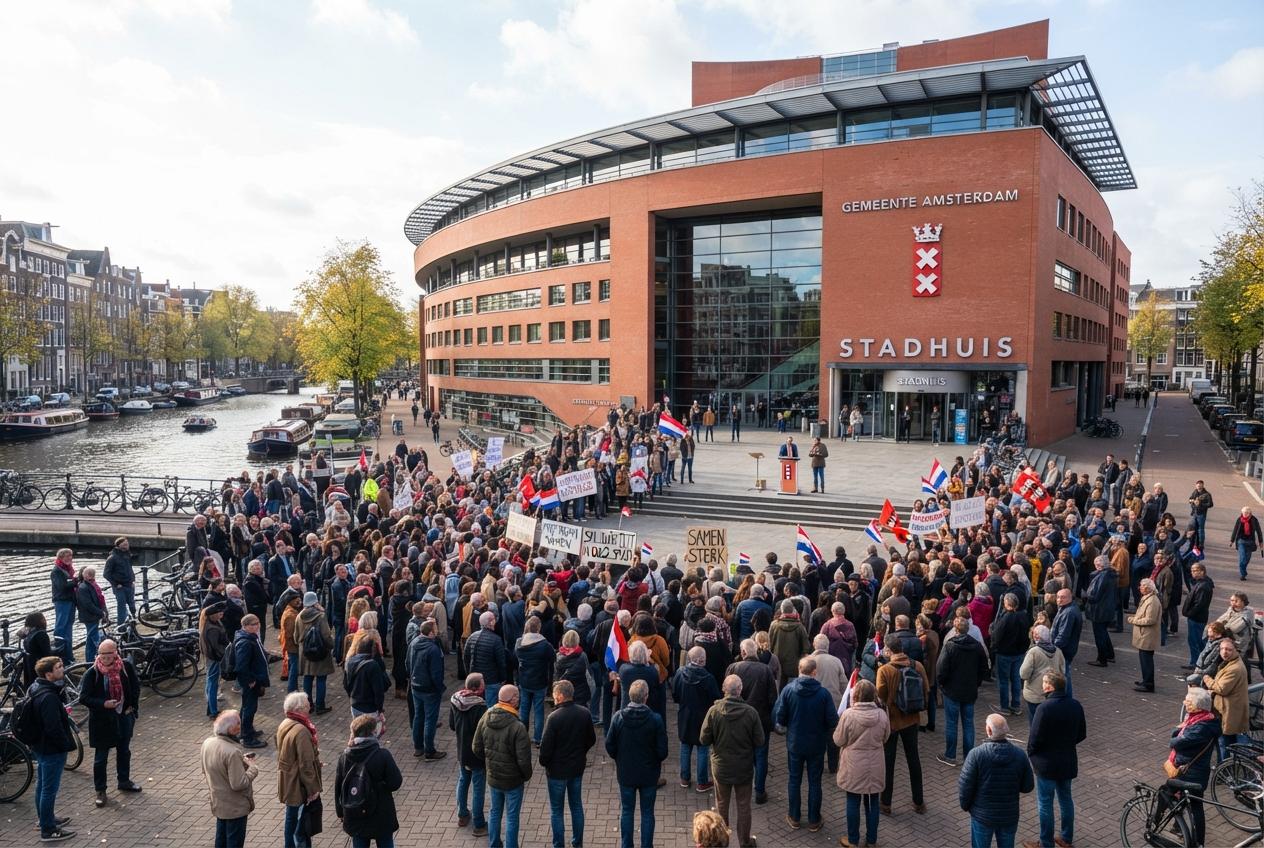
Watching tens of thousands flood Amsterdam’s streets this summer made one thing obvious: Pride marches remain crucial. Visitors, residents and politicians gathered to grieve, celebrate and demand change , and the turnout, energy and new safety pledges show why visibility still saves lives and shifts policy.
Essential Takeaways
- Mass turnout: A notable increase in participants across Europe reinforced solidarity after attacks, with Amsterdam a major focal point.
- Visible leadership: Dutch leaders attended and pledged funds, signalling political accountability and emotional support.
- Safety focus: Organisers and city authorities prioritised extra security and anti-discrimination measures for events.
- Community impact: For many queer people, the march offered practical solidarity , meeting others, finding resources, and feeling less alone.
- Clear calls to action: Demonstrators pushed concrete demands: trans rights, HIV funding, and sustained public protections.
A huge, emotional return to the streets
The first thing you noticed in Amsterdam was the noise , music, banners, cheers , and a quieter undercurrent of grief and resolve. After the Berlin attack, people in the Netherlands and beyond turned out in larger numbers, and the energy felt both celebratory and solemn. Organisers say that seeing so many people together helps counter the fear that violence or hostility creates. It's a vivid reminder that public presence matters when private safety is fragile.
Political support that changes the tone
Local and national leaders showed up, not just with statements but in person. The mayor of Amsterdam stood with marchers at the Homomonument, and the Dutch prime minister opened the human rights conference, promising extra funding for safety. That kind of visible backing does more than reassure , it forces institutions to answer for protections and creates a channel to turn protest into policy. For communities used to token gestures, this felt notably different.
Safety and planning took centre stage
Event organisers and city officials prioritised extra security measures in response to recent threats, balancing openness with protection. There were stepped-up checks, co‑ordination with police, and clear communication about safe spaces and reporting. For families and newcomers, these practical moves made it easier to attend without constant fear. Still, activists emphasised that policing alone can't replace long-term work on discrimination and education.
What the march did for everyday people
Beyond headlines, Pride provided people with small but important things: the chance to hold hands without scanning the crowd, local groups handing out resources, and moments of connection for those who'd felt isolated. For trans people, survivors of violence, and those living with HIV, the event amplified targeted campaigns and funding appeals. These personal wins , a hug from an official, a new support contact , are why many say marches are still necessary.
Where this momentum could lead next
Momentum in Amsterdam has nudged several cities and governments to consider firmer policies on hate crimes and funding for community safety. The challenge now is to turn the headline pledges into sustained programmes: long-term anti-discrimination education, accessible services, and reliable funding for grassroots groups. If leaders keep showing up and communities keep holding them to account, this season’s Pride could mark real progress.
It's a small change that can make every march feel safer and every voice louder.
Source Reference Map
Story idea inspired by: [1]
Sources by paragraph: