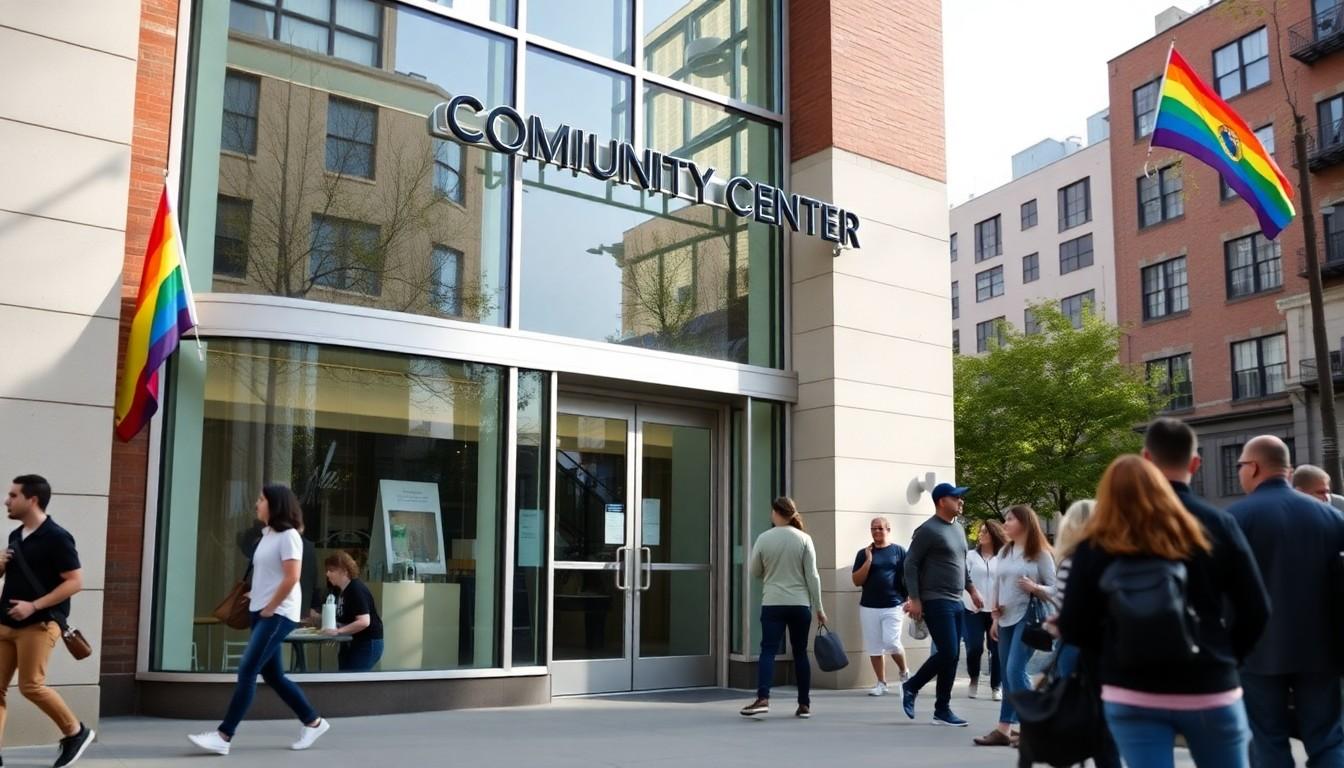
Shoppers are turning to community-led funds , and trans people are too , as Point of Pride’s Thrive Fund reopens applications to cover essential non-medical transition costs, from legal name changes to fertility preservation, offering up to $2,500 per applicant and filling gaps traditional healthcare funding often misses.
Essential Takeaways
- Who it helps: Trans youth and adults worldwide can apply for non-medical transition expenses beyond typical healthcare support.
- Typical uses: Funds cover legal fees, fertility preservation, medical tattooing, vocal therapy and similar services; requests up to $2,500.
- Scale and reach: Point of Pride has distributed about $6.3 million in aid and supported roughly 30,000 people across all 50 US states and internationally.
- Early impact: The Thrive Fund has already given more than $116,000 to 104 recipients, showing early appetite and need.
- Why it matters: Nearly 30% of trans people face poverty, making these often-overlooked transition costs prohibitive without extra help.
Why the Thrive Fund feels different , and why that matters
Point of Pride set up the Thrive Fund to target the kinds of expenses that rarely get coverage from insurance or public programmes, and that makes it feel practical and urgent. You can almost see the relief when a legal name change clears, or when someone pays for vocal coaching and finally feels heard. According to the charity, the fund’s design responds to a clear gap: many people can access hormones or surgeries but still struggle with ancillary, life‑changing costs.
The fund’s focus is intentionally broad and person-centred. Legal fees, fertility preservation, medical tattooing and vocal therapy are listed examples, but the core idea is simple , help with the things that make daily life align with identity. That’s a different approach from clinics or hospitals, and it’s why community groups like Point of Pride become lifelines.
How big the need is , poverty, costs and real figures
Point of Pride’s figures put the need into context: the charity says it has awarded about $6.3 million in aid and reached 30,000 people worldwide. The Institute for Research on Poverty’s finding that roughly 29.4% of trans people experience poverty helps explain why a relatively modest grant can be transformative. Fertility preservation alone can cost thousands , up to $15,000 to freeze eggs or around $1,000 to freeze sperm , while medical tattooing ranges widely, from a few hundred to several thousand pounds.
Those numbers are a reminder that even when core medical care is available, transition-associated expenses quickly add up and push people into tough choices. Funds that accept smaller, targeted applications can make the difference between being able to plan a family or having to forgo it.
What the Thrive Fund actually covers and how to apply
Point of Pride’s guidance is straightforward: applicants can request up to $2,500 per grant for non-medical transition needs that aren’t already funded through other programmes. Examples highlighted include legal name and gender marker changes, fertility preservation, medical tattooing and vocal therapy, but the fund can consider other essential, related costs.
Applying is done through Point of Pride’s website, where the organisation lays out eligibility and the documentation it needs. If you’re considering applying, gather basic ID, any supporting quotes or invoices from providers, and a short explanation of how the grant will help you. It’s practical to apply early and to be specific about costs , that helps decision-makers assess need and get funds to recipients faster.
Community reaction and early outcomes
Point of Pride’s executive director, Jeff Main, framed the Thrive Fund as a response to community feedback , people asked for help with items beyond surgeries and hormone care, and the organisation listened. Early results show momentum: the Thrive Fund’s first round supported 104 recipients to the tune of more than $116,000, signalling both demand and meaningful impact.
Organisations like Point of Pride often pair direct aid with advocacy and services, creating a feedback loop: grants solve immediate problems, and the visibility of need helps push for better systemic coverage long term. For many applicants, a small grant is more than cash , it’s practical recognition that their needs are valid and important.
How to think about funding choices for transition costs
If you or someone you care for is weighing options, consider these simple tips. First, prioritise urgent and irreversible expenses , legal name changes or fertility preservation often have deadlines or lifelong consequences. Second, compare quotes from providers so you can show need clearly in an application. Third, look for complementary support: other nonprofits, local LGBTQ+ services or crowdfunding can top up a grant.
And remember: a modest grant can unlock other opportunities, whether that’s accessing treatment, securing documentation, or preserving fertility. It’s worth checking eligibility early and keeping records of costs to make an application as strong as possible.
It's a small change that can make every step of transition feel a little more possible.
Source Reference Map
Story idea inspired by: [1]
Sources by paragraph: