Shoppers are turning to stories like Betty Neeley’s to reconnect with a past that feels stranger and richer than fiction. A lifelong rider who started tearing through St. Louis alleys at 15, Neeley has spent decades rescuing the missing women of local LGBTQ history , and showing why community memory matters.
Essential Takeaways
- Early rider: Betty D. Neeley began riding motorcycles in 1949 at age 15, a rare sight for a teenage girl then.
- Missing women: She discovered major gaps in local LGBTQ archives and launched the “Herstory” exhibit to fix that.
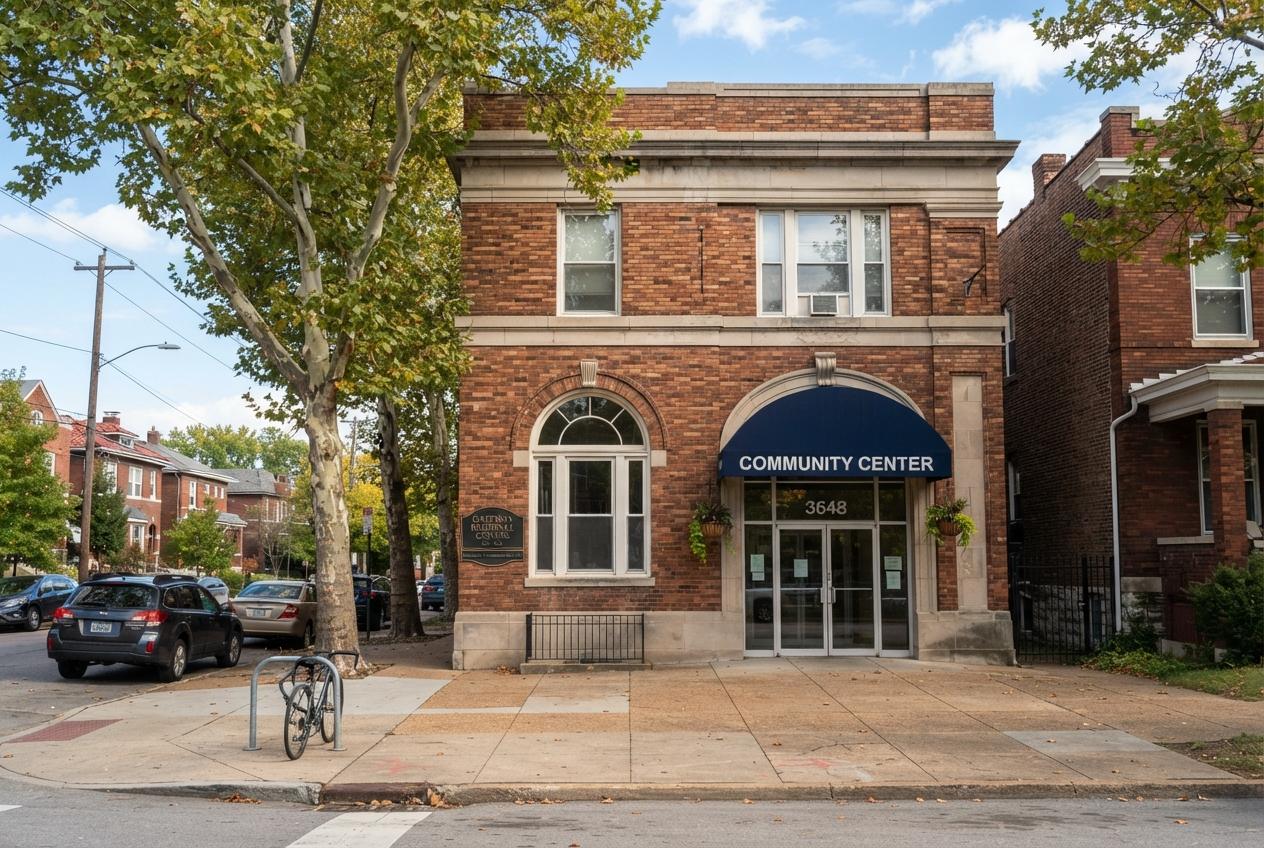
- Community builder: Beyond riding, Neeley volunteered at the LGBT centre, helped preserve artifacts, and helped reconnect people with intimate histories.
- Cultural link: Motorcycle clubs and runs played an outsized role in queer social life and the leather scene, offering a space to meet and belong.
- Practical legacy: Neeley’s work shows how simple acts , filing photos, curating exhibits , can prevent whole lives from vanishing.
A teenage rider who refused the script
Betty Neeley’s first ride started as a dare and a confidence streak: she convinced a man to let her try his bike and never looked back, even though she didn’t yet have a licence. Picture a 15‑year‑old weaving through St. Louis back alleys, the engine’s vibration under a skirt and a grin , it’s vivid and a little glorious. Her early motorcycling years predated the organised queer motorcycle groups that would later find names and structure, so she was often the lone woman in a pack of men. That sense of being an outlier shaped her view of community and pushed her toward preserving stories others ignored.
From grease and petrol to archives and tables
Neeley’s legacy shifted from open roads to long tables at PrideFest when she realised the LGBT archives were thin on women’s stories. She pulled together a 60‑foot “Herstory” display that focused solely on women’s contributions to St. Louis queer life. It wasn’t museum polish so much as people reconnecting with memory: a visitor found a photograph of the woman who brought him to town in a cooler on a motorcycle, and the emotional charge of that discovery was exactly why Neeley kept working. Her approach shows how grassroots archiving , boxes, photographs, first‑hand stories , can be more powerful than any polished exhibit.
Why motorbike runs mattered to LGBTQ life
Motorcycle clubs and “runs” did more than satisfy a taste for speed; they created safe social networks when public queer spaces were scarce. Clubhouses doubled as meeting points for the Old Guard leather and SM communities, and runs helped knit people together across towns. For many queer people, clubs offered what mainstream culture denied: recognition, belonging and a structured way to socialise. Neeley watched that ecosystem form, and later fade in parts; she worries younger generations miss out on the tight camaraderie older riders recall.
The archival gap: women left out of the story
The problem Neeley found is familiar to historians: archives reflect who had the power or the time to preserve records, and women, particularly queer women, were often erased or filtered out. She encountered “shit for women,” as she put it, and decided to fill the gap herself. That meant not only collecting photos but also tracking down oral histories, memorabilia and tiny domestic details that reveal how people actually lived. Her work is a reminder that history isn’t neutral , it’s curated, and without deliberate rescue missions, whole lives disappear.
Practical ways to honour and preserve local queer history
You don’t need a degree to help protect community memory. Start by digitising old photos and labelling them with names and dates, interview older community members over tea, and donate materials to local centres rather than letting boxes gather dust. Volunteer time at Pride exhibits, or organise a small “show and tell” for family albums. According to history projects around queer motorcycle culture and groups like Dykes on Bikes, grassroots efforts like Neeley’s are how lasting archives are built , and they often start with curiosity and a willingness to ask awkward questions.
It's a small change of habit that can keep whole communities from being edited out of the picture.
Source Reference Map
Story idea inspired by: [1]
Sources by paragraph: