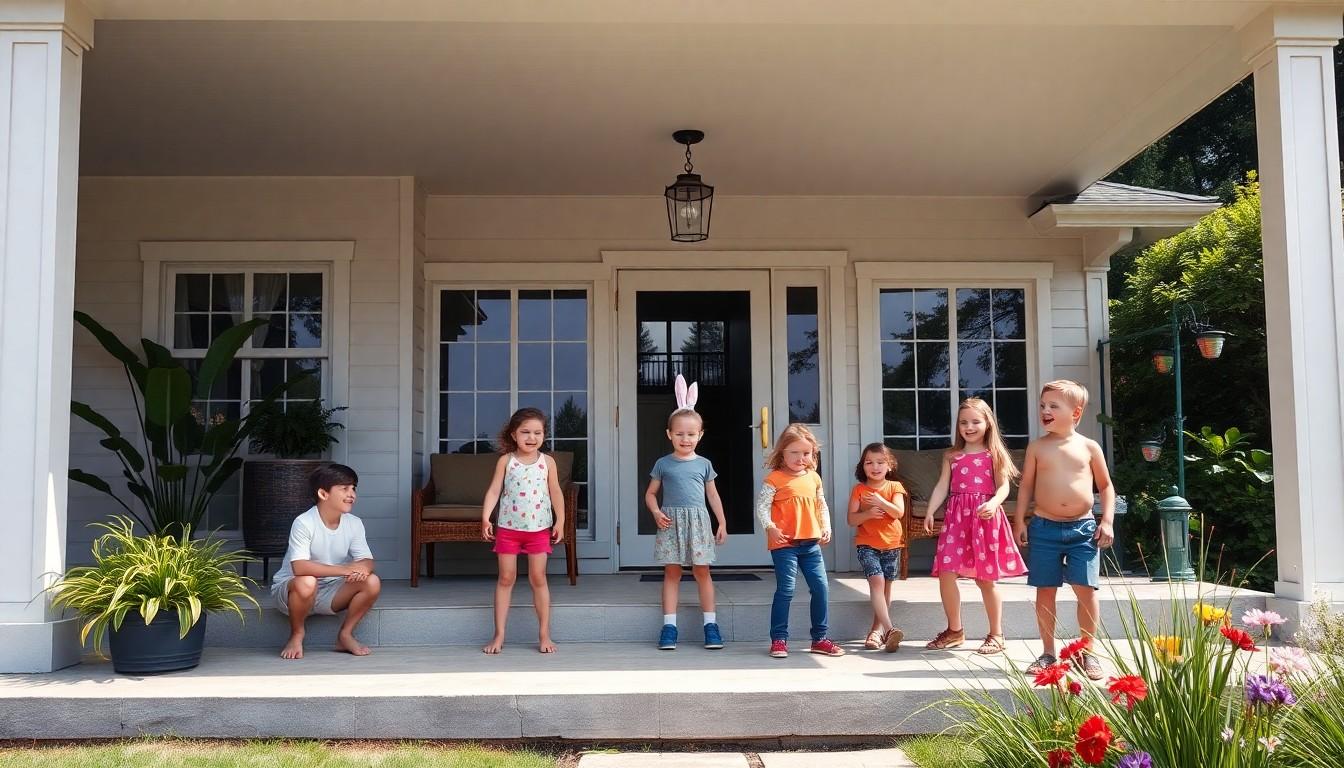
Shout it out: gay uncles are more than the fun relative , they’re often practising parenthood in plain sight. From midnight baking disasters to dressing-room pep talks, these role models build the habits, patience and emotional IQ that adoption panels and kids alike notice , and that’s why many guncle stories quietly lead to fatherhood.
Essential Takeaways
- Everyday caregiving counts: Regular babysitting, school runs and bedtime stories build parenting muscles like patience and routine.
- Emotional coaching: Gay uncles often act as confidants , the sort of listening and guidance that makes for emotionally literate parents.
- Practical skills translate: Cooking, organising outings and showing up on time are the small competencies adoption processes value.
- Community matters: Support from nieces, nephews and extended family can be powerful endorsements during adoption.
- Playful mentorship: Being the “fun” relative doesn’t preclude responsibility; it often blends delight with dependable care.
How the “fun uncle” role quietly teaches parenting
Start with the obvious: being the fun uncle involves showing up, and that’s half the job. A habit as simple as turning up for school plays or impromptu sleepovers builds the consistency kids need. Many guncle stories show a gentle balance , laughter mixed with boundary-setting , which is exactly the parenting sweet spot.
Adoption agencies look for stability and a history of caregiving, and those repeat moments count. So if you’re the aunt or uncle who’s always the first to volunteer, you’re already practising the logistics of parenting: planning, punctuality and follow-through.
Emotional labour: the listening ear that matters
Uncles often become safe harbour after school or during teen turbulence. That informal counselling , hearing worries about friendships or identity, offering perspective without judgement , builds emotional intelligence. This isn’t fluff; agencies, teachers and families notice whether a person can hold space for a child.
And it goes both ways. Kids who trust a relative to listen will often reflect that trust back in letters, references or heartfelt support. Those endorsements can mean a lot when you’re navigating family courtrooms or adoption panels.
Practical life skills: cooking, organising and tiny rituals
It’s the little things that add up. Teaching a nephew to fold a fitted sheet, cooking a simple family meal, or mastering the school-run route are transferable skills. They demonstrate an ability to manage a household, keep a routine and problem-solve on the fly.
If you’re thinking about adoption, catalogue these moments. Use them in applications or home visits to show you can handle both the delightful chaos and the mundane tasks of daily care.
Community endorsements: nieces, nephews and family backing
A supportive family can change the tone of an adoption journey. Letters from nieces and nephews or relatives that describe reliability, warmth and discipline make a convincing case. Those personal testimonials show real-life evidence of nurturing, not just theoretical intent.
Communities and grassroots groups can help too. Networks that celebrate diverse families, or clubs for queer parents and allies, offer practical advice and moral support , both useful during long adoption processes.
From playful to parental: making the leap when it feels right
For many, the transition from guncle to dad is gradual and affirming. You don’t need to surrender the fun , but you will broaden it. Play becomes purposeful, celebrations acquire routines, and your outfit choices might stay iconic while your priorities shift toward safety and consistency.
If you’re considering adoption, start by documenting caregiving history, asking for written recommendations and engaging local support networks. Small steps , more nights babysitting, more school involvement , give you lived evidence of commitment.
It's a small change that can make every day feel more intentional and every relationship a little deeper.
Source Reference Map
Story idea inspired by: [1]
Sources by paragraph: