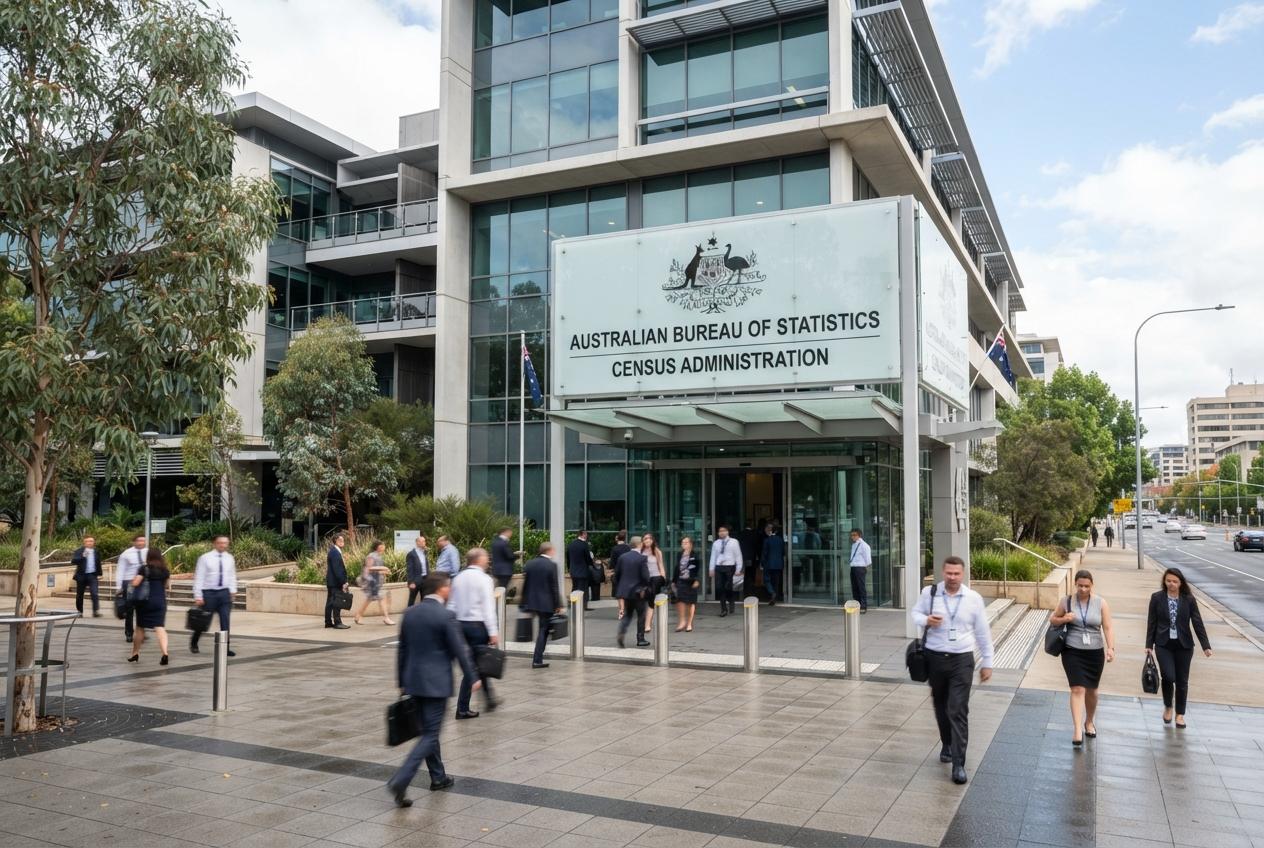
Watch closely: Australians are being invited to tick new optional boxes about sexual orientation and gender identity in the 2026 census, a change that matters for policy, services and visibility across the country. Here’s what’s new, why it’s happened, and what households should know before they respond.
Essential takeaways
- Optional questions: Two new items on sexual orientation and current gender identity are voluntary for everyone 16 and older, with a “prefer not to answer” option.
- Answer choices: Sexual orientation offers straight, gay or lesbian, bisexual, don’t know, prefer not to answer or a write-in; gender identity choices include man, woman, nonbinary, prefer not to answer or a write-in.
- Why it matters: Collecting this data helps tailor services and policy for LGBTQ+ communities, while being optional recognises privacy concerns.
- Participation format: The Australian Bureau of Statistics expects about 85% of responses online, with paper forms and field staff available for those who need them.
- Enforcement and reach: Census participation remains compulsory; fines apply for non-compliance, and field teams support people who are homeless or remote.
What exactly is new this census? Quick, useful detail
The census now asks, on an optional basis, whether people identify differently from the sex recorded at birth and what their sexual orientation is. The sexual orientation question includes a short list and a blank for other terms; the gender identity item lists man, woman and nonbinary, plus an “other” write-in. The options are designed to be concise yet give people room to use their own terms, and you can always choose “prefer not to answer” if you want to skip it.
The Australian Bureau of Statistics (ABS) says the wording was tested and shaped during public consultation, reflecting a clear interest in having this information available for planning and research. For many people these questions are a visibility moment; for others they’re a private matter, which is why the ABS made them voluntary.
How we got here: politics, consultation and a quick turnaround
Including these questions was a campaign promise from the current Labor government, but the road to the census wasn’t straight. The government initially dropped the items in 2024 citing concerns about divisiveness, then reversed the decision after public backlash and internal criticism. Prime Minister Anthony Albanese publicly supported bringing the question on sexual orientation back, and the ABS pushed ahead after seeing strong interest during consultations.
So the result is a compromise: the questions appear, but only for respondents aged 16 and over and only if they want to answer. That approach reflects a balance between gathering useful social data and recognising cultural and privacy sensitivities.
Why the data matters: policy, services and better visibility
Collecting sexual orientation and gender identity data lets health services, local councils and researchers identify need and measure inequality more accurately. Countries such as the UK, New Zealand and recently Canada started asking similar questions in recent censuses, and demographers say Australia was lagging behind on this front.
Data can influence funding for mental health services, tailored public health campaigns, and community support programs. It also gives researchers a clearer picture of population size and distribution for LGBTQ+ groups, which can change how resources are allocated. Of course, any benefits depend on enough people feeling safe to respond honestly.
Answering the questions: tips for households and organisations
If you’re filling in the form, the ABS encourages people to submit as soon as they receive their instructions so the household can reflect where they’ll be on census night. The sexual orientation and gender identity questions are aimed at individuals aged 16+, so households should be aware of who in the home needs to answer them.
For organisations helping people to complete the census , community groups, shelters, remote area teams , the ABS provides paper forms on request and deploys field staff to assist. Respect privacy when helping someone fill in their form; if someone prefers not to answer, that choice is absolutely valid and built into the questionnaire.
Concerns, criticism and what's next
Some experts say the questions could go further, for instance by asking about intersex status, which remains absent. Others worry about how people will interpret categories or whether write-in options will be standardised for analysis. The ABS has clarified the questions and their purpose publicly and outlined plans for how the data will be released over time.
Looking ahead, this census will set a baseline. If enough people answer, future policy debates and service planning will have stronger evidence to draw on. And if uptake is low in some areas, that will be a useful signal too.
It's a small change that could make a big difference to how communities are seen and supported.
Source Reference Map
Story idea inspired by: [1]
Sources by paragraph: