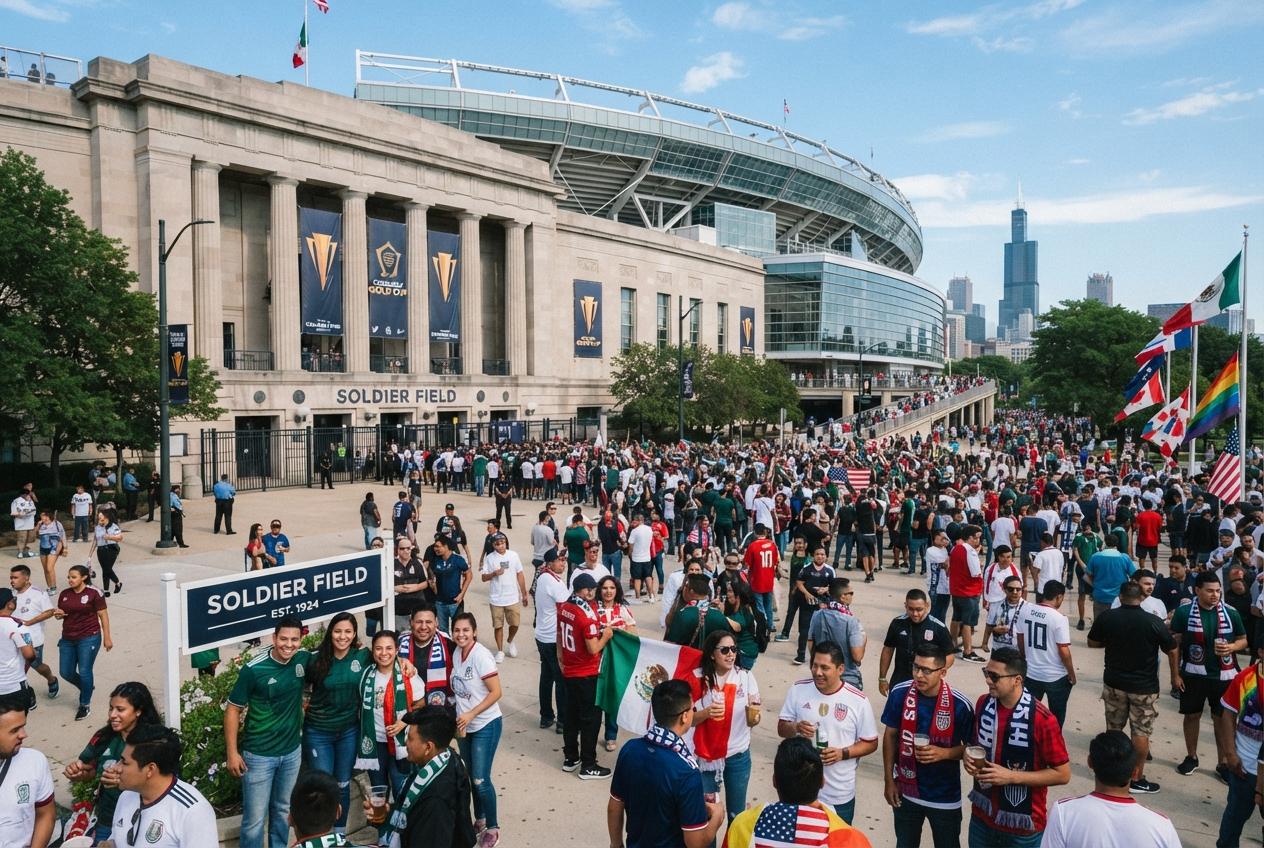
Remembering the roar: Chicago welcomed more than 11,500 athletes from nearly 70 countries to Soldier Field in July 2006, turning the opening into a glittering, handheld-LED rainbow and reminding the world that inclusive sport and queer community can be loud, proud, and utterly joyful.
Essential Takeaways
- Huge turnout: More than 11,500 athletes paraded at Soldier Field before roughly 35,000 spectators, a vivid, communal kickoff.
- Wide participation: Anyone 18+ could enter events by sport-based registration, so competitors ranged from serious ex-collegiate athletes to first-time participants.
- City-wide footprint: Events spread across neighbourhoods , Grant Park, North Avenue Beach, Wrigley Field and Crystal Lake , giving Chicago a block-party feel.
- Logistical grit: Organisers pulled off a six-year-sized project in two years, improvising boats, ice trucks and transit passes to keep things running.
- Lasting legacy: The Games broke even financially, boosted local LGBTQ+ sport leagues, and left cultural markers and long friendships still celebrated today.
A spectacle at Soldier Field , the opening that people still talk about
The image of thousands of athletes holding tiny LED lights that turned Soldier Field into a living rainbow is the kind of sensory memory that sticks: it looked and felt electric. Organisers designed the ceremony to be inclusive , if you wanted to wave a flag, you waved a flag , and that looseness helped make the moment intimate despite the scale. The opening was a statement: queer athletes belong on big stages too, and the crowd’s cheers made it unmistakable. For visitors from countries where being out could be dangerous, walking that field in daylight was both exhilarating and political.
How Chicago pulled off a mammoth event in two short years
Chicago landed the Games after Montreal’s split with the Federation reopened bidding, and suddenly the city had two years to assemble what usually takes six. That meant long early-morning meetings, shoe‑string creative problem-solving and leaning on a deep local sports network. Volunteers rang up universities for rowing shells at the last minute, and the transit authority worked with organisers to include a special seven‑day pass in registration. It was scrappy, yes, but it also showed how civic cooperation and community muscle can make big, inclusive events happen fast.
Sport for everyone , from ballroom to badminton and senior divisions
One of the Gay Games’ charms is its “open to all” spirit: you didn’t need to be elite to compete. The roster included ticketed, sell‑out indoor events , ballroom, figure skating, powerlifting , alongside free outdoor contests watched by anyone passing by. There were divisions for older athletes too, and teams like the Golden Girls showed that age isn’t a barrier. That mix meant you could watch a high‑level dance final and then stroll to a neighbourhood park to cheer on a novice runner , the breadth was part of the point.
City-wide culture: neighbourhoods, art and awkward pushbacks
The Games weren’t confined to one stadium; they spilled across Chicago neighborhoods, from a Rainbow Run at Rainbow Beach to Latine-focused programming at the National Museum of Mexican Art. Public art and performances still mark that legacy. Not everything went smoothly , Crystal Lake conservatives initially resisted rowing, forcing a dramatic revote and public testimony , but legal protections and public pressure helped ensure the event went forward. Those flashpoints underscored how the Games were both celebration and protest: visibility itself was a civic act.
What changed after 2006 , economics, friendships and a political mirror
Financially the Chicago Games were notable: they were the first since the earliest editions to break even, and sponsors from mainstream sport brands signalled that the queer market mattered. Equally important were the human returns , lifelong friendships, medal moments people still treasure, and more robust local leagues. Yet two decades on, the Games also remind us that the fight for inclusion continues: debates over trans athletes in sport and corporate retreats from Pride show how fragile progress can be. The memory of Chicago 2006 is therefore both celebration and motivation.
Closing line It’s a small change , but remembering those LED-lit parades, improvisations and unlikely friendships helps keep the work of inclusion going.
Source Reference Map
Story idea inspired by: [1]
Sources by paragraph: