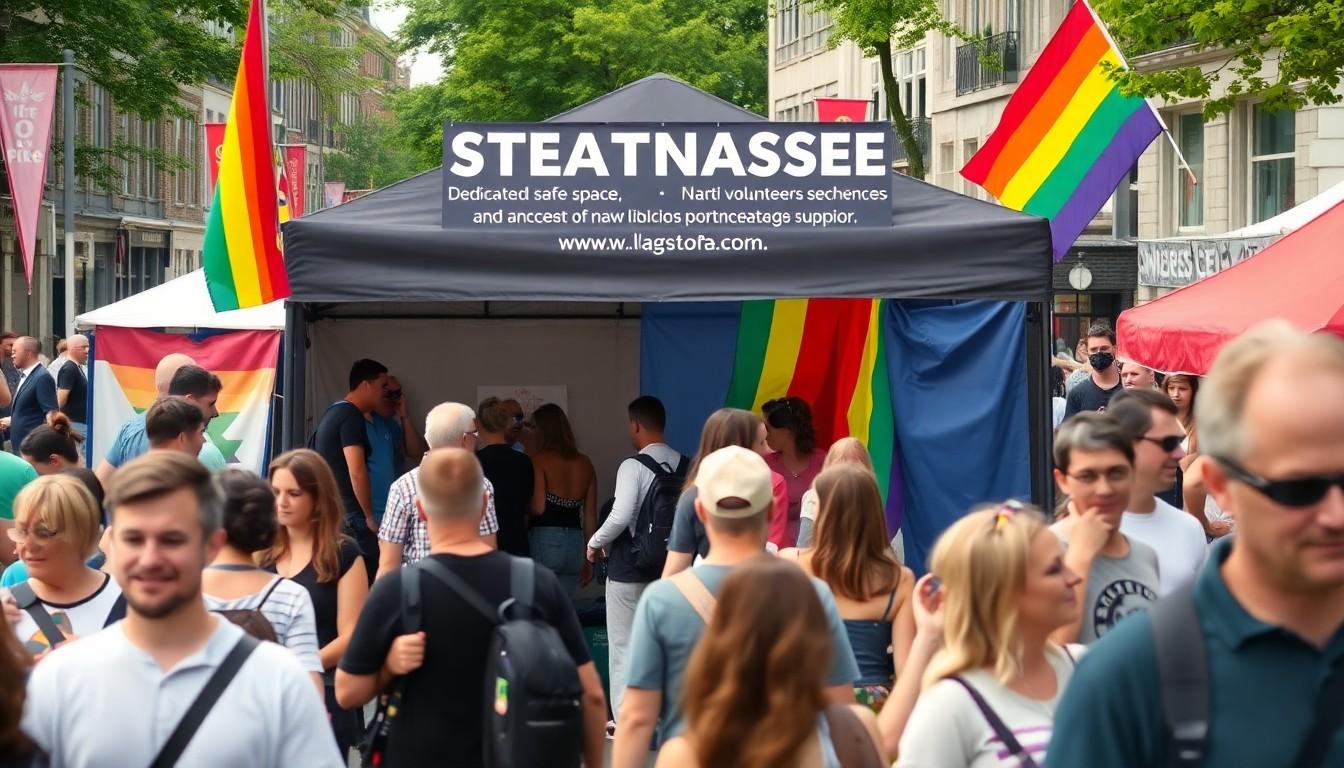
Shoppers, tourists and locals alike flocked to Amsterdam for WorldPride, but volunteers say the celebrations were marred by discrimination , and those 520 reports reveal where organisers and visitors need to do better. Here’s what happened, why it matters and how cities can make Pride safer.
Essential Takeaways
- Reported incidents: Volunteers logged 520 discrimination complaints during WorldPride, including 74 in the final weekend, meaning many attendees felt unsafe or unwelcome.
- Visibility mattered: RITA’s publicity and 35 “safe spaces” across the city increased reporting, so higher numbers reflect both more incidents and better reporting channels.
- Types of harm: Reports ranged from heckling and swearing to threats and physical aggression , organisers warn verbal abuse can escalate into violence.
- Prevention in practice: Amsterdam set out house rules and safety measures for events; having staffed safe spaces and hotlines made it easier for people to seek help.
- Collective response: Community groups, authorities and visitors all have roles , from bystander intervention to clearer event policing and better public awareness.
Volunteers turned up the volume , and the numbers climbed
More than 500 reports at one festival sounds alarming, and it is; the online portal RITA captured 520 complaints over the two-week WorldPride celebrations. That figure includes 74 incidents in the closing weekend, a spike organisers found worrying. You can almost picture the weary sigh: what should have been a bright, colourful fortnight left hundreds of people shaken. According to RITA co-founder Jerrald Justin, the tally was sadly a measure of success , not because discrimination is desirable, but because better outreach meant more people felt able to report.
Safe spaces and hotlines made a real difference
This year RITA set up 35 physical safe spaces , from hotels to the Stedelijk Museum and the Nieuwe Kerk , where people could step out of crowds, report incidents and get confidential support. That practical safety net matters; it transforms a frightened person’s options from “leave or suffer” to “take shelter and be heard”. Amsterdam’s event guidance and house rules also played a role, signalling that complaints would be taken seriously and providing a predictable response pathway for staff and visitors.
Bigger WorldPride, bigger crowds , and skewed comparisons
WorldPride was more than the usual canal parade, drawing far more international visitors across two weeks. That makes year-on-year comparisons tricky: a rise in reports can reflect a rise in incidents, a rise in attendees, or simply better awareness and reporting tools. Still, the core takeaway is plain. If more people are attending, organisers need to scale safety, staffing and outreach proportionately , otherwise harms multiply with the crowds.
From insults to violence , why early intervention matters
Community leaders pushed a simple but urgent point: discrimination often escalates. What starts as swearing or heckling can turn into threats or physical assault if left unchecked. Justin told NOS that society must tackle the small things before they become big ones. That’s a useful maxim for any festival planner: invest in trained stewards, visible reporting options and swift, transparent responses. Bystanders also have power , a calm intervention or flagging an incident to staff can defuse situations before they escalate.
What visitors and locals can do next time
If you’re going to a large Pride or similar event, plan ahead. Know where the safe spaces and reporting points are, save a hotline number, and travel in groups when possible. Event teams should publish easy-to-find house rules, map safe spaces clearly, and brief staff to respond calmly. Authorities can help by matching policing levels and public-awareness campaigns to the scale of the event. Above all, normalising reporting , and removing shame from being a target , helps others follow suit.
It's a small change that can make every celebration safer and more joyful for everyone.
Source Reference Map
Story idea inspired by: [1]
Sources by paragraph: