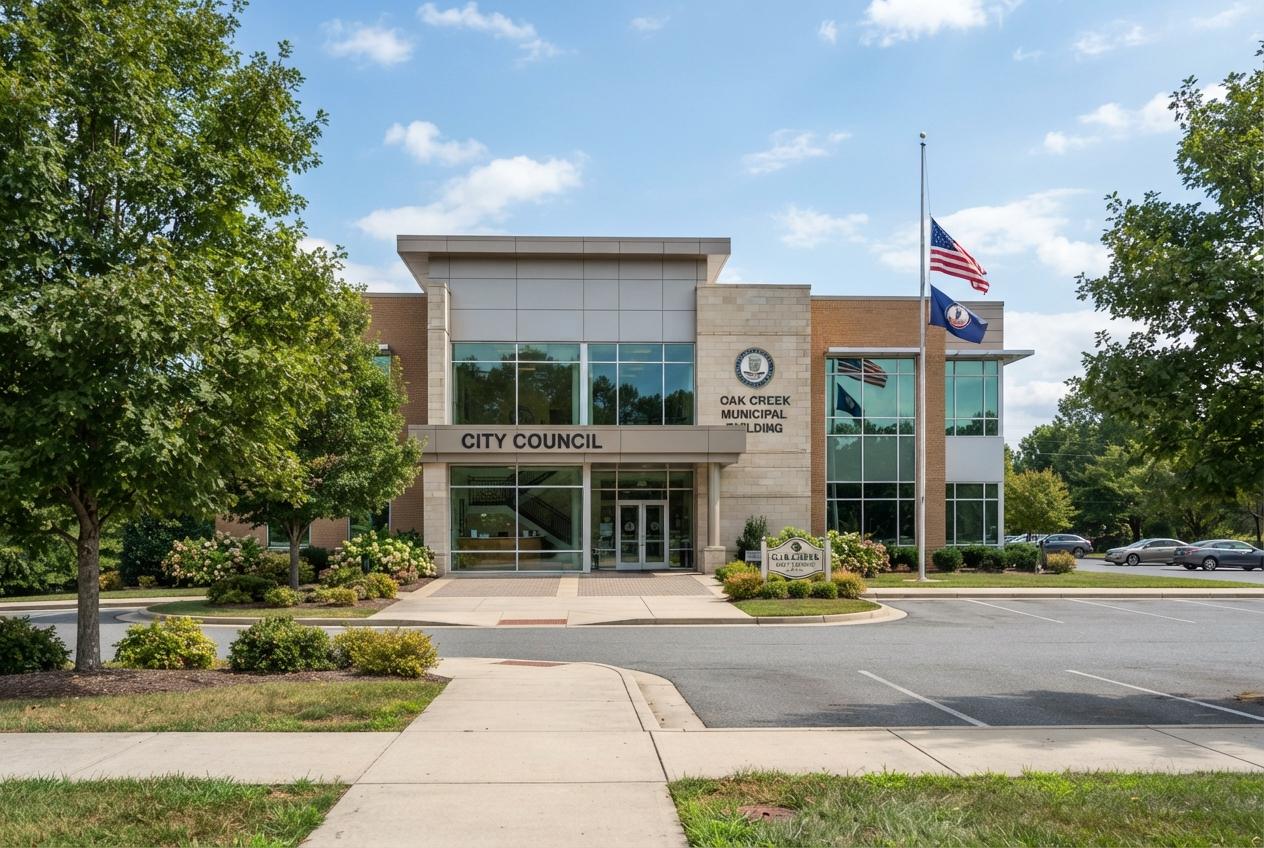
Shoppers and neighbours have noticed a small Ohio town’s Pride turned political , Lebanon council member Mike Cope urged residents to monitor next year’s festival for “indecency,” a move organisers say could chill celebration and safety for LGBTQ+ attendees and families. Here’s what happened, why it matters, and what to watch next.
Essential Takeaways
- Local councillor action: A Lebanon, Ohio council member posted on Facebook urging residents to report alleged indecent exposure at the town’s Pride festival, sparking concern from organisers.
- Organisers’ approach: Lebanon Pride organisers worked with the city and built a family-friendly event, avoiding certain practices and adding safety measures like volunteer-run tip jars.
- Legal context: Ohio already has indecency statutes; legislators are debating bills that could narrow or broaden where adult performances are allowed.
- Safety worries: Community leaders say the call for mass monitoring risks emboldening harassers and making LGBTQ+ attendees feel less safe and welcome.
- Public response: A community comment session before the City Council is planned as organisers and residents push back.
What the Facebook post actually said and why people noticed
The clearest detail here is the image of a council member at the festival, filming a drag performance, then calling publicly for residents to be on alert for indecent conduct at future events. That combination , attendance, recording and a follow-up public call-to-action , made the reaction sharper than a routine policy critique. According to organisers, the post read as an invitation for locals to police the event, which carried a physical, unsettling edge. People who volunteer at community festivals say a councillor’s words matter: they change the tenor of a day that’s meant to be joyful and low-threat.
How Lebanon Pride has tailored its festival to the town
Lebanon Pride isn’t trying to mimic big-city Pride. Organisers deliberately shape the festival to suit a suburban crowd, choosing what they call “Lebanon-appropriate” elements and working with city officials to iron out logistics. For instance, they altered performer practices around tips to avoid problematic optics, using volunteers to collect donations rather than having performers accept money from younger attendees. The festival’s leaders say they’ve cooperated with the city manager and legal staff in the past, and their goal has been to serve residents, not provoke council fights.
The legal backdrop: indecency laws and proposed bills
This dispute sits inside a bigger legal debate in Ohio. State indecency statutes already exist and criminalise lewd public acts, but lawmakers have floated and passed new measures that could specifically limit where certain performances take place. Supporters argue these updates protect children and public spaces; opponents say they would effectively ban many drag shows outside adult venues and could chill artistic expression. Reporting has shown the House advanced versions of such bills and that critics in media and civil-rights circles worry about overbroad enforcement.
Why organisers fear surveillance will harm safety and attendance
When a public official encourages residents to watch and report, it doesn’t just increase scrutiny , organisers and attendees worry it could invite bad actors. Festival leaders describe contingency planning , safety zones, protest areas, volunteer marshals , but they also flag the emotional toll. If queer families and allies feel they might be targeted or misrepresented, attendance and the atmosphere could suffer. One organiser told local reporters she feared the post could read like a militia call-out; another said people might “water down” their presence to avoid being photographed or harassed.
What to expect next and how communities respond
The incident has moved from Facebook to town hall: a community response via public comment is scheduled for the next City Council meeting, so residents will get to make their case in person. Expect a mix of personal testimony, legal references and practical questions about policing public events. Meanwhile, groups that track these bills and civil-rights advocates are likely to frame the episode as part of a wider trend of targeting LGBTQ+ visibility under the guise of decency law enforcement. For organisers and families, the immediate focus is practical: reinforce safety plans, encourage respectful observation, and keep festival communication clear.
It's a small policy nudge with big social effects , and people in Lebanon will decide whether Pride stays a welcome community event or becomes a politically fraught moment.
Source Reference Map
Story idea inspired by: [1]
Sources by paragraph: