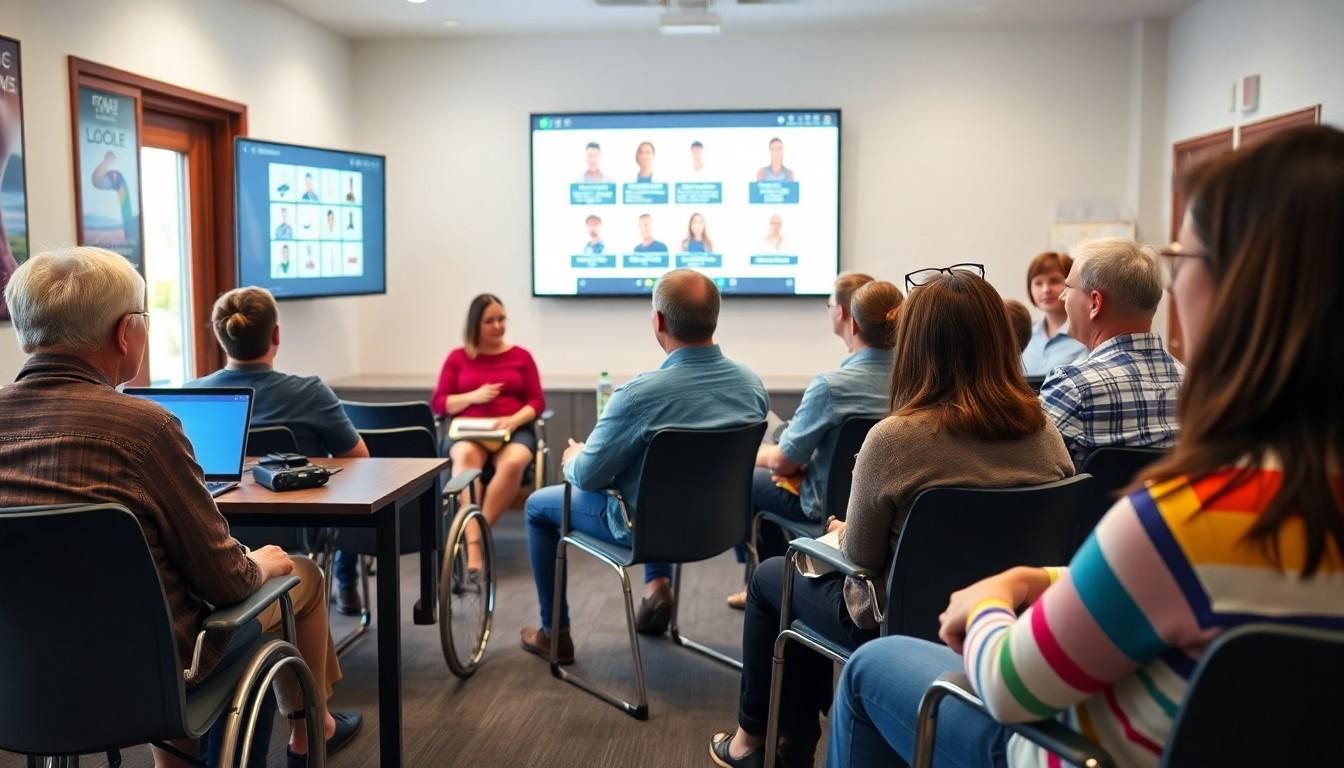
Register now: People with Disability Australia is running a practical, free Community Attitudes webinar series that helps organisations embed intersectional inclusion and build safer, more welcoming spaces for LGBTQIA+ people with disability. Choose a session that suits your schedule and bring back actionable tools.
Essential Takeaways
- Free, practical training: PWDA offers four identical one-hour webinars across 2026, so you only need to attend one session.
- Intersectional focus: The sessions explain intersectionality and why it matters when supporting LGBTQIA+ people with disability.
- Who benefits: Ideal for government, not-for-profits, community services, education providers, small businesses and other organisations.
- What you’ll get: Concrete strategies for accessible, affirming spaces, best-practice inclusion and being an effective ally.
- Easy to join: Dates cover daytime and evening AEST/AEDT times; registration is required and enquiries can be sent to [email protected].
Why this webinar matters now
Across workplaces and communities, people with disability who are also LGBTQIA+ face overlapping barriers that are often unseen and unaddressed, and the sessions promise a warm, clear-eyed look at that complexity. According to national reporting on community attitudes, people with disability continue to encounter stigma and limited social support, so targeted training can shift day-to-day experiences. PWDA’s half-hour practical format keeps things focused, which suits busy teams wanting immediate takeaways.
What intersectionality actually means for your organisation
Intersectionality sounds academic, but PWDA breaks it down into everyday implications , for instance, how a trans person with a disability might need both accessible facilities and specific privacy or safety measures. ADCET’s resources and webinars have emphasised similar practical framing: it’s not one-size-fits-all. For managers, that means checking policies, physical access and language, and asking who’s being left out when you design services.
Practical tools you’ll bring back
Expect checklists and behaviour-focused strategies: how to make events accessible, what inclusive language looks like in policy and how to spot and respond to exclusion or harassment. The sessions are designed to help you become an effective ally, with simple next steps you can implement immediately. If your organisation runs training, this webinar works as a primer before deeper, tailored sessions.
Who should book a place , and how to pick a date
PWDA targets a broad audience: government staff, educators, community workers, small-business owners and not-for-profits. Each webinar covers the same content, so pick the date that fits your diary , daytime and evening slots are available in AEST and AEDT. If you work across teams, consider making attendance part of your induction or professional development calendar to spread awareness.
What happens after the webinar , next steps
Think of this as the start, not the finish. The training gives you language, quick fixes and links to further resources; organisations should follow up with policy updates, accessibility audits and participatory conversations with LGBTQIA+ people with disability. Community groups and services that pair this learning with longer-term initiatives will see real change in culture and safety.
It's a small investment of time that can make a big difference to people who need inclusive, affirming communities.
Source Reference Map
Story idea inspired by: [1]
Sources by paragraph: