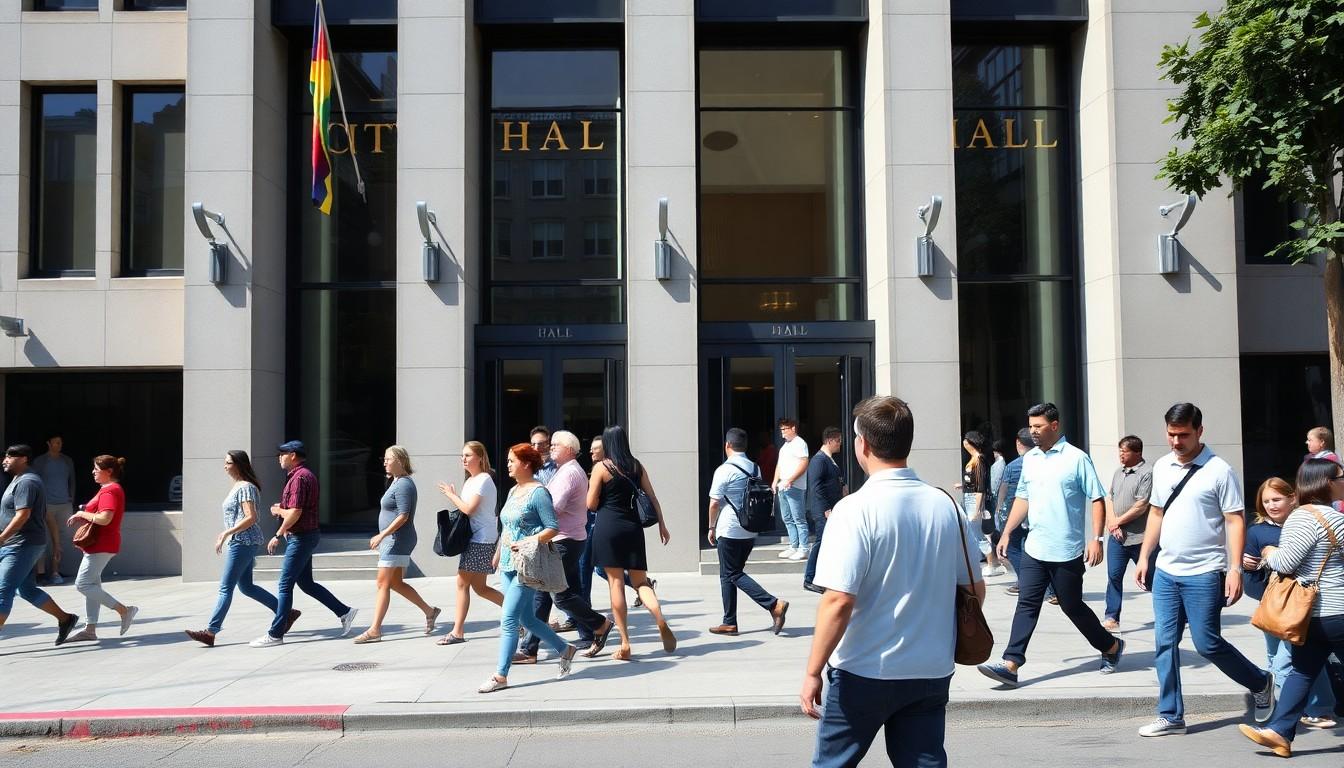
Shoppers are turning their heads back to San Francisco , and rightly so. New international research names the city the world’s best for LGBTQ+ life, highlighting why long-established queer neighbourhoods, Pride traditions and robust community networks still matter for everyday safety, culture and celebration.
Essential Takeaways
- Top pick: San Francisco scored highest in the LGBTQ+ category, earning a 70/100 for queer life and culture.
- Strong points: Historic queer districts, active Pride traditions and a dense network of community organisations give the city a warm, visible vibe.
- American contrast: US cities often rate highly for nightlife and events but lag on legal protections and gender-affirming care.
- Index nuance: The ranking mixes nightlife, sex-work policy and healthcare access, so a lively scene doesn’t always equal strong legal protections.
- Global leaders: Amsterdam won the overall sexually liberal index; Manchester and Cologne followed San Francisco in the queer-life list.
San Francisco still leads on queer community and culture
San Francisco’s win feels both familiar and earned , you can almost hear the Castro’s hum and smell the coffee from a queer-friendly café. The city topped the LGBTQ+ category in the 2026 Sexually Liberal City Index with a score of 70 out of 100, driven by its decades-old community infrastructure. The report points to the Castro, established organisations and a calendar of Pride and queer events as reasons the city feels both historic and alive. For visitors and locals alike, that translates into a sense of continuity: neighbourhoods that welcome you, venues that remain visible and an ecosystem of services geared to LGBTQ+ needs. If you’re choosing a place to feel seen, that visible infrastructure still matters. It’s why older queer neighbourhoods can be as important as new policy wins.
Why nightlife and culture don’t tell the whole story
It’s tempting to equate busy gay bars and flamboyant Pride parades with safety and rights, but the index mixes lifestyle measures with public-policy indicators. Several US cities , Miami among them , score full marks for gay bars, events and adult venues, yet drop when the list accounts for gender-affirmation protections or anti-discrimination laws. So, a thriving social scene can coexist with gaps in legal safeguards; the index highlights that tension. That’s useful for travellers and new residents: you might find a brilliant social life, but you should also check local healthcare access and anti-discrimination protections before making long-term plans. In short, enjoy the nightlife, but don’t assume culture equals policy.
Amsterdam wins the overall crown for policy and access
While San Francisco leads the specific LGBTQ+ category, Amsterdam retained the overall Sexually Liberal City Index title, thanks to a strong mix of legal protections, reproductive rights and sex-work policy. The Dutch capital’s performance shows how different strengths stack up: culture matters, but comprehensive policy and healthcare access lift a city in broader comparisons. That ranking suggests a two-tier view of queer-friendly places , ones known for vibrant scenes, and those whose laws and services actually make life safer and more stable. For families, older queer people or anyone needing consistent healthcare, that distinction is worth considering.
The US picture: vibrant culture, contested politics
The index paints US cities as culturally rich but politically fragile, noting recent national shifts that have affected protections for LGBTQ+ people. San Francisco remains the highest-ranking American city overall, yet the report flags how recent political changes have weighed on the country’s scores. That mirrors what queer communities report on the ground: resilient celebration and nightlife alongside ongoing fights over rights and access. If you live in or visit a US city, look beyond event listings to check local laws, clinic availability and support groups.
What travellers and residents should check first
If you’re planning a trip, moving house or simply weighing where to spend your time, keep a short checklist in your pocket. Look up local anti-discrimination laws, availability of gender-affirming care, reproductive-health services, and sex-work policies , and balance that against the nightlife and community scene you want. Practical steps: contact community centres for up-to-date local guidance, review clinic directories for trans and queer healthcare, and read recent local news on legal changes. That way you get both the warm, lived experience of queer neighbourhoods and the real-world services that make life sustainable.
It's a small change that can make every visit or move feel safer and more joyful.
Source Reference Map
Story idea inspired by: [1]
Sources by paragraph: