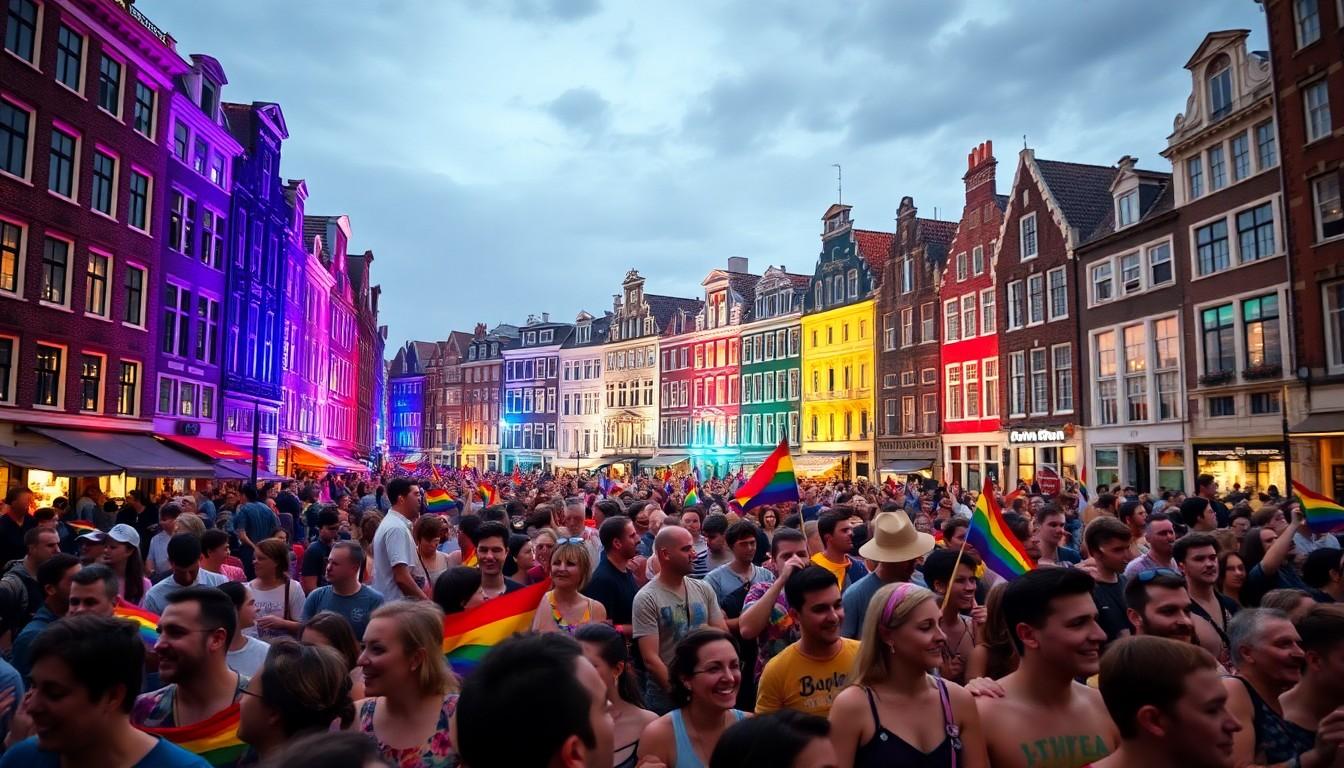
Shoppers, locals and visitors flooded Amsterdam for WorldPride, determined to celebrate despite fear; the city’s rainbow-drenched streets, canal parade and extra security turned grief into visible, defiant joy that mattered to hundreds of thousands watching and taking part.
Essential Takeaways
- Mass turnout: Around 300,000 people gathered along Amsterdam’s canals for the WorldPride canal parade, creating a loud, colourful atmosphere.
- Heightened security: The city introduced extra measures after the Berlin Pride attack, with police boats and officers present but friendly and reassuring.
- Visible solidarity: Public buildings and businesses lit up and hung flags across the city, producing a striking, inclusive visual welcome.
- Emotional resilience: Attendees described a shift from anxiety to celebration , Pride’s protest roots met joyful defiance.
- Local support: Neighbourhoods and organisations publicly showed support, making the festival feel safer and more communal.
A crowd that refused to be cowed
You could feel it in the air , a nervous hum that slowly turned into laughter and music as the parade rolled by, the sun catching a thousand sequins and flags. The week before, Berlin had seen a violent attack at its Pride, and that news was fresh in everyone’s minds. According to coverage before the Amsterdam event, organisers and city officials said they would increase security; police boats patrolled the canals and officers mingled with the crowds, visible but not overbearing. That practical reassurance mattered: it let people breathe, and then dance.
Flags, lights and a city dressed for Pride
Amsterdam leaned into the moment with a visual flourish. Buildings and businesses lit up, and flags were everywhere , from shopfronts to private balconies , creating a constant, joyful reminder that this was a welcome space. For visitors used to debates back home about flags on public buildings, seeing 50 major sites lit up felt almost shockingly affirming. It’s a simple thing, but the sensory impact , rainbow light spilling over canals at dusk , made the city feel like a deliberate, celebratory refuge.
Security without spoiling the party
Authorities balanced two things that don’t always sit together easily: visibility of security and the festival atmosphere. Police boats moved up and down the canals as floats passed, and officers waved at onlookers rather than standing aloof. That approach echoed what civil-rights events have learned: presence can be calming if it’s humane. If you’re planning to attend a large Pride, pick a viewing spot with clear entry and exit routes and stay aware of your surroundings , the mood will be buoyant, but it pays to be sensible.
Pride as protest and celebration, side by side
There’s a reason Pride still feels political even when the music’s loud. For many, simply being openly queer in public is an act of defiance against those who would erase or harm them. The Amsterdam canal parade made that point in technicolour. People embraced, danced, and marked themselves as visible, which is precisely what Pride began as. That resilience , turning fear into community , left a powerful impression on attendees and onlookers alike.
What the turnout tells us about the future of large events
Big, international Pride events face new questions about safety and scale, but Amsterdam showed one possible answer: plan carefully, keep communities engaged, and don’t let fear dictate whether people celebrate. WorldPride’s visibility matters beyond pageantry; it’s a reminder that cultural festivals can adapt without losing their heart. For anyone nervous about attending large Pride events after recent attacks, look for official updates on security, attend with friends, and choose organised viewing areas to feel more secure.
It's a small change that can make every celebration feel safer, without dimming the joy.
Source Reference Map
Story idea inspired by: [1]
Sources by paragraph: