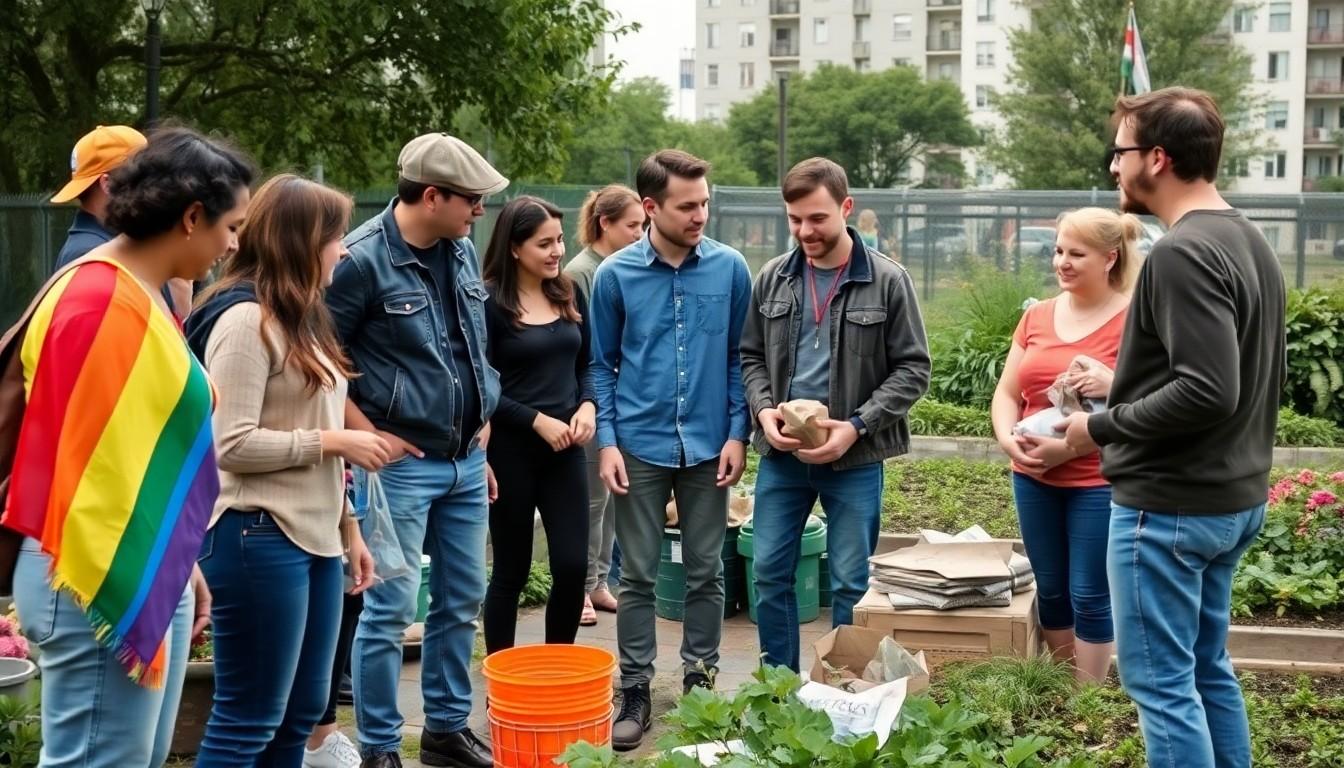
Notice how emergencies are no longer distant headlines , communities are on the frontline. Activists, mutual aid crews, and ordinary queer people are organising where governments lag, and that grassroots energy matters because climate impacts are hitting LGBTQ+ and marginalised communities first.
Essential Takeaways
- Community-led response: Mutual aid groups, often queer- and trans-led, are first responders in many climate disasters, delivering supplies quickly and efficiently.
- Unequal impact: Same-sex couples and marginalised communities are more likely to live in areas vulnerable to flooding, heat and infrastructure failures.
- Climate as politics: Policy choices , from zoning to industry regulation , shape who suffers most; climate change is an outcome of political decisions.
- Local action matters: Protests, community boards and neighbourhood organising can slow or stop harmful projects like carbon-heavy data centres.
- Practical solidarity: Supporting queer mutual aid, donating to local relief funds, and voting for climate justice are concrete ways to help now.
Why queer communities are often first on the scene
When a wildfire or flood hits, local networks move faster than distant federal programmes, and you can almost feel the difference , people arrive with water, warm clothes and urgent empathy. According to reporting from community response in recent Western Canadian and Pacific Northwest wildfires, grassroots crews were among the earliest to hand out supplies and information. That speed comes from lived experience: queer people have long built informal support systems to survive social and political neglect. So while formal agencies mobilise, mutual aid pages and local fundraisers are already plugging gaps.
The data shows unequal vulnerability , it’s not random
Researchers at the UCLA Williams Institute have noted same-sex couples are more likely to live in coastal and urban zones at risk from sea-level rise and extreme heat, meaning location compounds exposure. Add race and class into the mix and the picture grows darker: Indigenous, Black and Latine communities often face worse outcomes because of historic disinvestment. This isn’t an accident but the result of zoning, housing policy and infrastructure choices that policymakers still make today. Understanding that helps target aid where it’s needed most, rather than treating disasters as purely “natural.”
Mutual aid in action: from queer DJs to trans-led convoys
Some of the most moving responses recently came from small, improvised groups , queer DJs raising cash and joy, trans-led teams distributing essentials before larger agencies arrived. Those moments are practical and symbolic: they meet immediate needs and remind everyone that solidarity is political. For communities thinking of setting up a response group, start small , a shared spreadsheet, clear donation links, and designated pickup points , and coordinate with existing neighbourhood teams to avoid duplication. The goal is to be fast, accountable and trauma-informed.
Why climate justice and queer liberation are one fight
The climate crisis feeds and is fed by systems like late-stage capitalism, colonialism and transphobia, and those systems rely on exclusion to persist. When corporations prioritise profits over people , building carbon-heavy projects in low-income areas, for instance , the results are deadly. Pushing back means connecting climate policy to housing, healthcare and civil rights campaigns. Voting matters, but so does showing up to local planning meetings where decisions about data centres, industrial zoning and emergency services really happen.
Practical steps you can take right now
You don’t need to reinvent the wheel to make a difference. Join or support local mutual aid groups, donate to vetted relief funds after fires or floods, and volunteer skills , translation, logistics or social media , for outreach. Pressure local councils about resilient infrastructure and oppose developments that worsen emissions or hazard exposure. And if you can, vote for candidates committed to climate justice and investment in communities that have long been ignored.
It's a small change that can make every emergency response a little fairer and a little faster.
Source Reference Map
Story idea inspired by: [1]
Sources by paragraph: