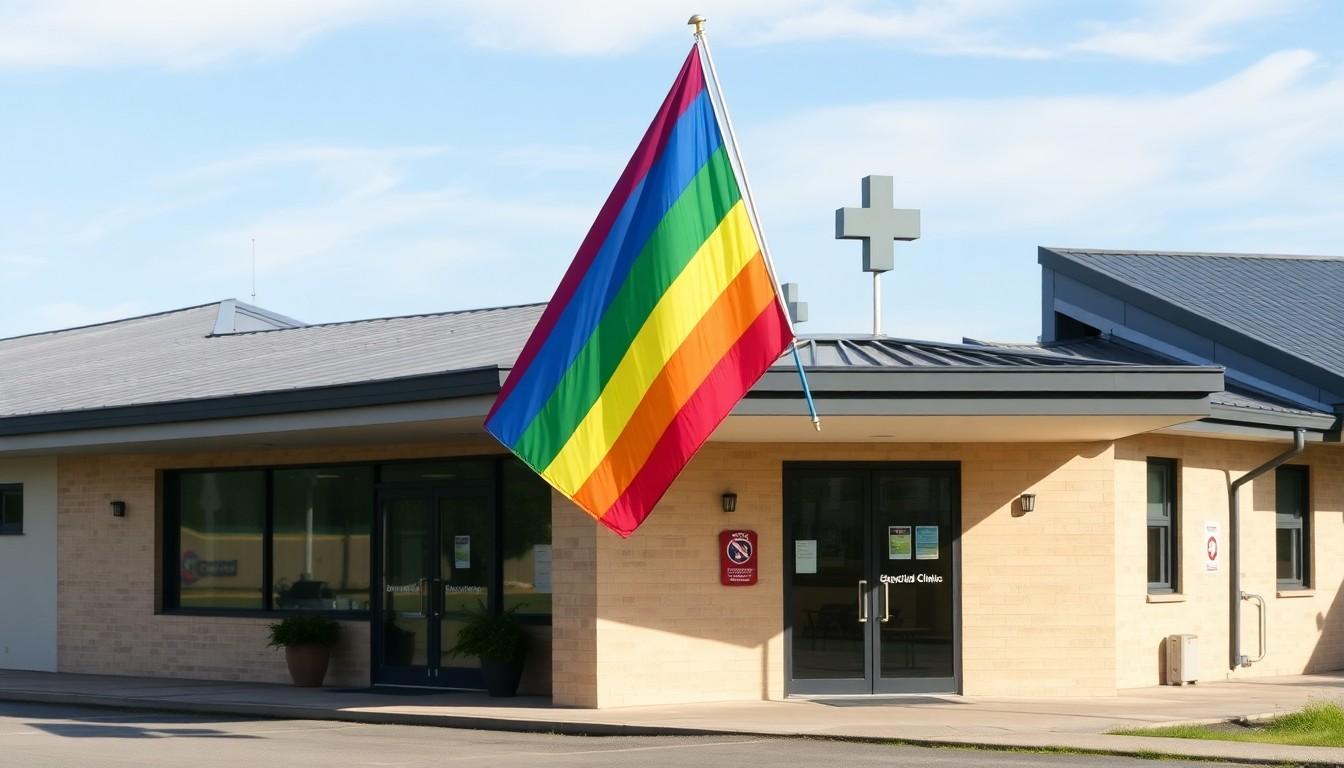
Watchful clinics and community organisations are reshaping how they deliver HIV prevention and treatment as Healthcare Refusal Laws spread; here’s what providers, pharmacists and advocates are doing to keep PrEP, PEP and antiretroviral therapy reliably available where it matters most.
Essential Takeaways
- Access at risk: Laws allowing provider or pharmacy refusal can create real gaps for PrEP, PEP and routine HIV drugs, especially in rural or underserved areas.
- Outcomes matter: Delays or interruptions in therapy raise viral loads and transmission risk, and can lead to costlier hospital care.
- High‑risk groups hit hardest: LGBTQ+ people, people who inject drugs and some racial and ethnic minorities face higher barriers and more stigma.
- Operational fixes work: Expanded pharmacy networks, mobile clinics, stronger transport support and pharmacist‑initiated PrEP/PEP can blunt the impact.
- Advocacy and policy are essential: Organisations need deliberate strategies , from 340B programme tweaks to targeted outreach , to sustain prevention and treatment.
Why refusal laws suddenly matter for everyday HIV care
Refusal laws give some clinicians and pharmacists legal cover to decline services on belief grounds, and that’s more than an abstract worry , it can be a very tangible barrier when someone needs PrEP, PEP or their antiretrovirals. The immediate sensory detail is simple: an empty prescription bottle on a kitchen table, with no nearby pharmacy willing to fill it, is a real and worrying image for patients and carers. According to coverage of policy shifts, a growing number of states have adopted such laws, and the practical effect is that access depends on where you live and who you first see for care.
Those geographic and logistical gaps matter because PrEP and PEP are time‑sensitive. If a local provider refuses to prescribe and a pharmacy refuses to dispense, patients face delays that reduce the prevention benefit. Clinics report they’re having to map providers who will still prescribe, and advocates are urging pharmacies to adopt nondiscrimination policies to keep services close to communities that need them.
How interruptions translate into health and financial harms
When people can’t get medication promptly, viral suppression can slip and hospitalisations can increase , and that’s both a human and a budget problem. Healthcare refusal rules don’t just create one‑off refusals; they can push routine HIV prevention and treatment into higher‑touch pathways that demand more staff time, transport and coordination. The result is longer wait lists and higher operational costs for the same volume of care, which is especially painful for clinics working on tight budgets or under 340B programmes.
For patients this might mean worse symptoms, more complicated care and, ultimately, greater community transmission. For public health planners, it means the gains on HIV incidence could stall or reverse without targeted mitigation steps.
Practical tactics clinics are using right now
Frontline organisations are not sitting still. Many are expanding pharmacy networks and setting up standing agreements with willing dispensers, while others use mobile units and mailed medication services to bypass local refusals. Practical measures also include stronger transportation programmes, telehealth initiation of PrEP, and task‑shifting so nurses or pharmacists can start therapy where laws and practice allow.
There’s growing uptake of pharmacist‑initiated PrEP and PEP models in some places, which lets trained pharmacists assess eligibility and start medication. That’s a useful stopgap in areas with few prescribers, and industry guidance and pilot programmes are helping scale that work where state rules permit.
Why certain populations feel the pinch the worst
Refusal laws don’t affect everyone equally. People who already face stigma , LGBTQ+ people, people who inject drugs and some racial and ethnic minorities , are more likely to avoid care if they expect judgement or refusal. That hesitancy compounds the direct access problems and can feed a cycle of distrust.
Clinics trying to reach these groups are focusing on low‑barrier, community‑embedded approaches: peer navigation, harm‑reduction services, and partnerships with community pharmacies that publicly commit to nondiscrimination. Those steps don’t erase structural problems, but they do rebuild trust in practical ways.
What advocates and policymakers can do next
Legal and policy work still matters. Advocacy aimed at narrowing refusal exemptions, safeguarding access to lifesaving drugs, and supporting pharmacist scope expansions is underway. Organisations that depend on 340B revenue are revising strategies , for instance, diversifying dispensing sites and lobbying for stronger protections , to keep their service lines sustainable.
At the same time, funders and health departments can invest in transportation, mobile outreach and telehealth infrastructure so care remains timely even when local refusals crop up. It’s a multi‑pronged effort: clinical workflow changes, pharmacy partnerships, community outreach and policy advocacy all need to move together.
It's a small change that can make every dose and prevention moment safer.
Source Reference Map
Story idea inspired by: [1]
Sources by paragraph: