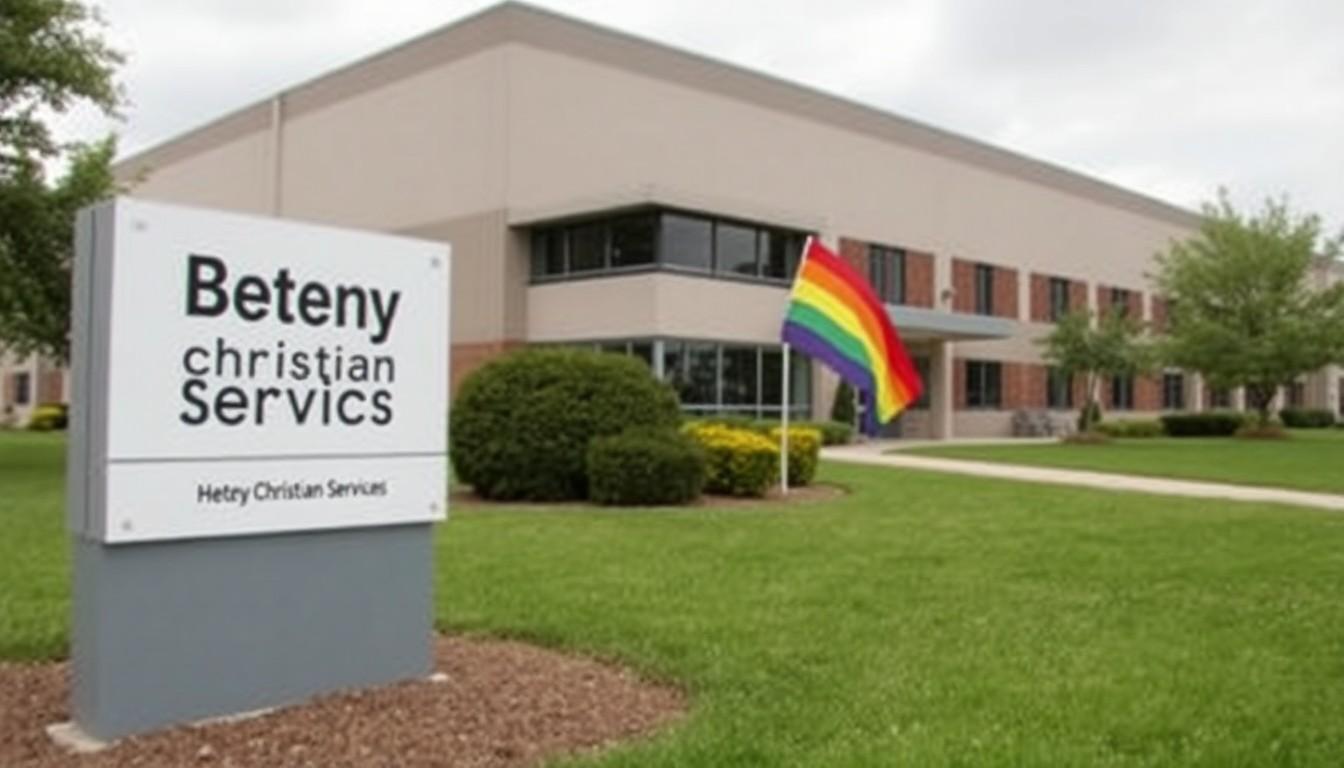
Shoppers are waking up to a stark choice in foster care: when an agency holds a faith-based rule, the families and young people assigned to it should get the same right to opt out. This piece looks at Bethany Christian Services’ recent shift, why it matters for LGBTQ+ youth and parents, and what practical fixes could protect everyone involved.
Essential Takeaways
- Policy change: Bethany Christian Services updated a statement of faith that restricts staff and resource families based on views of marriage and biological sex.
- Real impact: Foster youth and parents often can’t choose their agency, so faith-based rules can be imposed without prior notice.
- Two-part fix: Require plain disclosure of faith-based criteria and guarantee an opt-out pathway to a secular or neutral provider.
- Equity concern: LGBTQ+ youth are overrepresented in care; exclusionary licensing policies reduce the pool of affirming families.
- Reasoned compromise: Religious freedom and family choice can coexist if contracts with public funds include mutual exemptions.
What changed at one of the largest agencies , and why it feels bigger than Bethany
Bethany’s recent reaffirmation of a statement of faith now explicitly requires employees and resource families to affirm particular beliefs about marriage and biological sex. That’s a stark, tactile shift , imagine filling in forms only to discover the agency’s theology governs who can foster the child in your care.
According to the organisation’s public materials, this is an intentional reassertion of identity, not a sudden lapse. The move sits at the intersection of religious liberty and public service, and it’s why the debate matters: many of the families and young people assigned to such agencies don’t get to pick which front door they walk through.
Why disclosure is the sensible first step
Transparency is low-effort but high-impact. If an agency takes public funds, it should state plainly , before assignment , any faith-based requirements that affect applicants or placements.
This isn’t about shaming faith organisations; it’s about informed choice. Families routed to a provider need to know whether that provider will license them, or will require beliefs that clash with their identity. A simple, standardised disclosure at the referral stage would stop a lot of painful surprises mid-process.
An opt-out guarantee: what it would do and how it could work
Disclosure alone won’t solve the problem if there’s no alternative. A mutual exemption framework would guarantee that if a faith-based agency can exclude families for conscience reasons, then families assigned to that agency can opt into a parallel, non-restrictive provider without delay.
Practically, that could look like contract language requiring public agencies to maintain a list of secular or neutral providers and to offer an immediate transfer where faith-based criteria would bar a placement. It preserves religious freedom while preventing a de facto monopoly over publicly funded care.
The numbers that make this a social-equity issue
Research indicates LGBTQ+ youth are over-represented in foster care and that same-sex couples are disproportionately likely to foster or adopt. That combination means policies that limit licensing of LGBTQ+ people or same-sex couples don’t just reflect theology , they shrink the pool of potential, often highly motivated carers for a population that needs them.
So this isn’t abstract rights-talk. It’s about whether the system is structured to prioritise placements for children, or whether contractual exemptions end up putting organisational convictions ahead of young people’s needs.
A practical path forward that respects both freedom and fairness
Lawmakers and contracting authorities can craft solutions that protect religious conscience and prevent coercion. Start with mandatory, clear disclosures in all public contracts. Add a fast-track transfer mechanism so families and youth can move to an affirming provider without lengthy waits. Finally, monitor placement outcomes to ensure exemptions aren’t producing worse results for children.
It’s an awkward compromise for some, but it’s honest: if an organisation insists on faith-based boundaries, the public system should insist on choice for those it serves. That preserves pluralism without making the already vulnerable pay for it.
It's a small contract change that can make every placement fairer and kinder.
Source Reference Map
Story idea inspired by: [1]
Sources by paragraph: