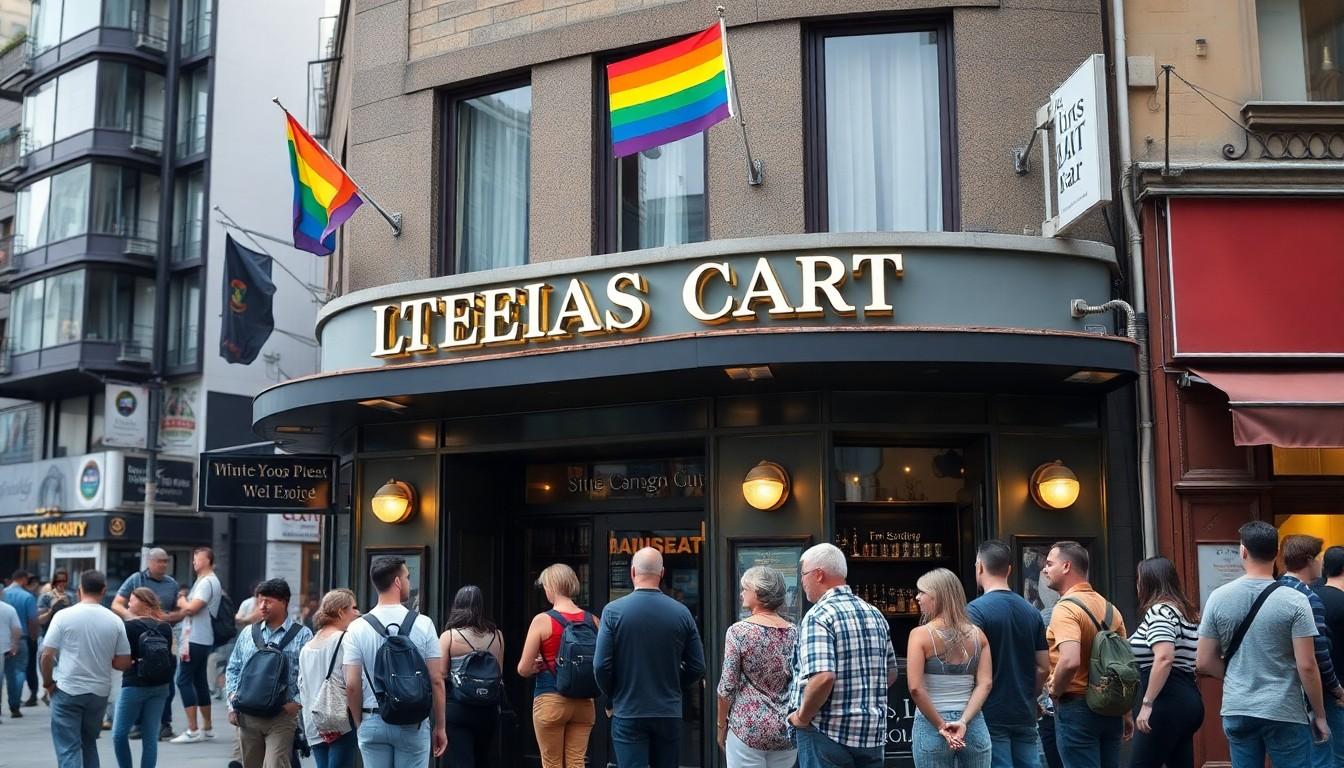
Shoppers of nightlife , that is, patrons and performers , have pushed two of the Castro’s best‑known gay bars to stop using AI face‑scanners, a move that matters because it protects privacy where vulnerability feels real and immediate. Badlands and Toad Hall paused PatronScan after artists, activists and digital‑rights groups mounted a boycott push.
- Immediate pause: Badlands and Toad Hall stopped using PatronScan and returned to manual ID checks while they review security procedures.
- Artist pressure worked: More than 300 musicians and performers joined a Fight for the Future pledge to avoid venues that use facial recognition.
- Privacy risk: Facial scanning captures biometric data, raising concerns about storage, access, bias and tracking of LGBTQ+ patrons.
- Community impact: Queer spaces are historically sites of organising and refuge, so surveillance there feels especially invasive and dangerous.
- Practical tip: If you’re concerned, ask venues about data retention, whether scans are stored, and whether they use third‑party databases.
Why two Castro bars suddenly ditched PatronScan
The immediate, visual change is simple: a scanner at the door gone quiet and a bouncer checking IDs the old way. That small sensory shift , no camera flash, no facial match ping , is what drove the public reaction. Reports show Fight for the Future organised artists and patrons to make a boycott credible and contagious. According to local coverage, the campaign’s reach and the pledge of hundreds of performers helped tip the balance, proving that artists can use their booking power to change venue practices. For regulars, the takeaway is practical: if a venue branches back to manual checks, ask staff how long they’ll keep biometric data and whether any copies were already stored by the vendor. Looking ahead, this is likely to be one of the first of many pressure points where culture, commerce and privacy collide.
What’s actually wrong with facial‑scanning systems
Facial recognition isn’t just a fancy door camera; it’s biometric collection that can be compared to databases and logged for later use. Privacy advocates warn about unclear retention policies, who gets access, and how mistakes disproportionately affect Black and brown patrons. Coverage from local outlets and LGBTQ press highlights both the technical and human risks , misidentification and the chilling effect of being monitored in places meant to be safe. That matters especially in the current political climate, where queer people face heightened scrutiny and threats. If you care about fairness, ask whether a system has been audited for racial bias and whether the company deletes images immediately when asked. Those answers separate minimal‑risk practices from truly invasive setups.
How artists and activists turned a complaint into leverage
This fight shows how cultural workers can change business decisions. Hundreds of musicians signed a pledge asking venues to disable face‑scanners or risk being unbooked, and that economic consequence appears to have nudged management. Organisers framed the ask not as a tech phobia but as a demand for dignified, private spaces. Fight for the Future and allied groups focused on the Castro because the neighbourhood has symbolic and practical significance for queer life. For venues weighing security, the strategy is clear: address artist concerns early, offer transparent alternatives and explain data practices publicly. Silence or evasiveness only amplifies suspicion and invites boycotts.
What venue owners say and what they should be doing
Bar operators tell a different story , they want to keep patrons safe and see ID tech as a faster, more reliable solution. After backlash, Badlands’ director of operations said the bars would pause PatronScan and revert to manual checks while they review policies. That response is a useful model: pause, explain, consult the community, then decide. Owners should publish clear policies on biometric retention, third‑party sharing and deletion requests, and consider independent audits. Practically speaking, venues can invest in staff training, better lighting and manual verification procedures that keep lines moving without sacrificing privacy.
Where this leaves queer nightlife and the bigger rules question
The pause in the Castro is a narrow win but a wider wake‑up call. Private surveillance is spreading beyond stadiums into neighbourhood bars, and laws haven’t kept pace with the technology’s reach. Advocates argue this should prompt local and national rules governing biometric collection, data retention and transparency. Until regulators catch up, social and economic pressure , from artists, patrons and community groups , will be the most effective brake. So whether you’re an organiser, a performer or someone who just wants to dance without being logged, this moment shows collective action still matters.
It's a small change that can make every night out feel a little more private and a lot more human.
Source Reference Map
Story idea inspired by: [1]
Sources by paragraph: