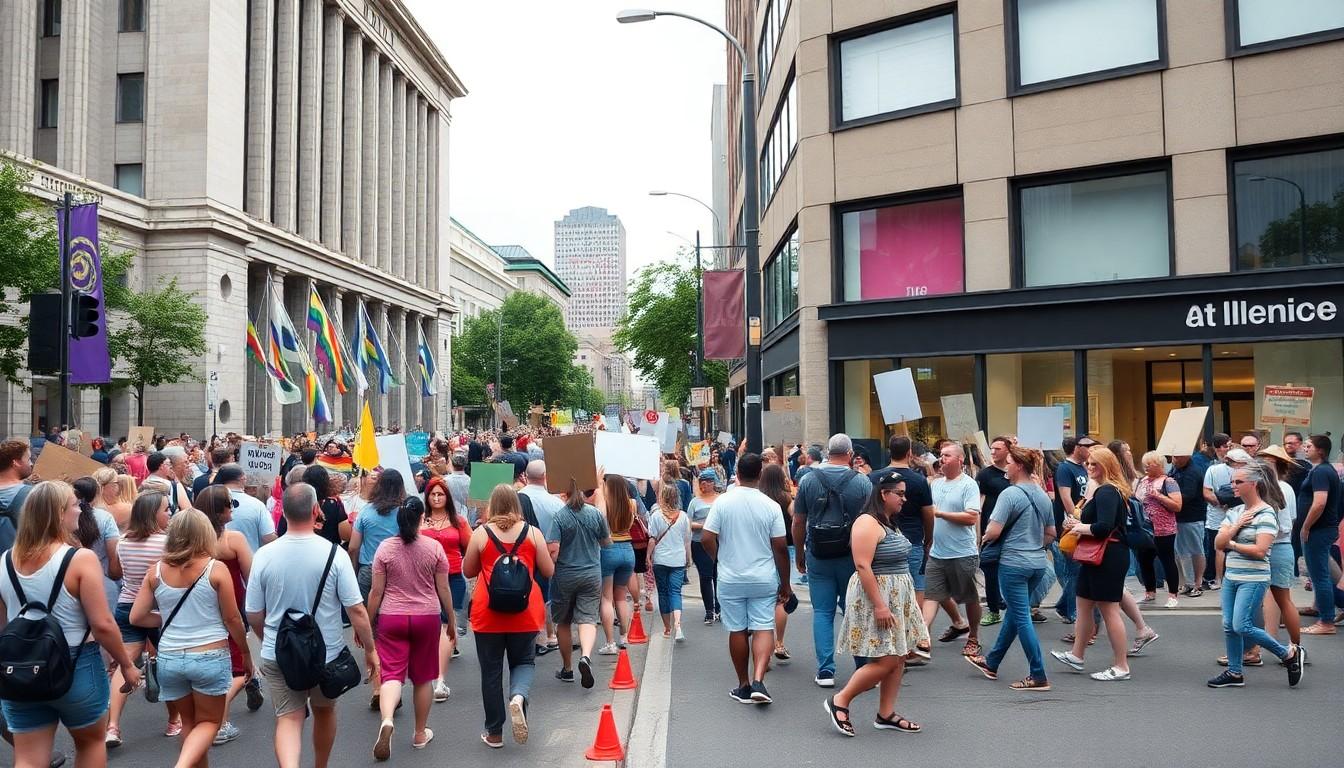
Shoppers, locals and activists are watching two very different Prides unfold in Montreal this summer, as thousands turn out for colourful celebration and a rowdy counter-march. Here’s what happened, who showed up, and why the split between corporate and radical Pride now matters for the city’s LGBTQ+ community.
Essential Takeaways
- Two simultaneous events: Fierté Montréal staged a large downtown parade while Wild Pride organisers held a separate march in Plateau Mont‑Royal, each drawing thousands.
- Safety and unease: Organisers increased security at the main parade after a deadly attack in Berlin, and some attendees said they felt shaken but determined to be visible.
- Different vibes: Fierté Montréal blended celebration and advocacy with floats and community booths; Wild Pride emphasised protest , no corporate sponsors, no police presence.
- Generational and political split: Longtime attendees spoke of nostalgia and rising homophobia, while younger and left‑leaning participants pushed for a more radical, anti‑colonial Pride.
- Community focus: Both events highlighted trans rights, Indigenous participation and grassroots groups, even as they disagreed on methods and allies.
Two Prides, Two Moods , what people actually saw on the streets
The downtown parade felt like a big outdoor club, full of glitter, drag and big banners, with families watching from the kerb and toddlers wrapped in small flags. Organisers with Fierté Montréal said they’d beefed up security after reports out of Europe, and many marchers admitted they turned up nervous but relieved to be together. An hour later, Wild Pride set off in the Plateau, loud and confrontational, with chants of “Pride is a riot” replacing pop anthems and clear rejection of corporate logos. If you went expecting a single mood, you left with two: celebration as comfort, protest as reminder , both meaningful in their own way.
Why safety was at the front of people’s minds
The Berlin attack put a new edge on Pride planning globally, and Montreal was no exception. Fierté Montréal publicly boosted security and invited community groups focused on safety and care to participate, a move some attendees welcomed as sensible. Reports from other outlets have dissected misinformation and the large police manhunt around that incident, and organisers here were keen to avoid panic while keeping the parade accessible. Practical tip: if you’re going to a big march, check organisers’ guidance on meeting points and lost‑child procedures before you leave home.
Wild Pride’s throwback to protest , not everyone liked the party
Wild Pride returned this year with rootsy speeches about Stonewall, AIDS activism and resistance to policing, and a visible list of demands: end corporate sponsorship, reduce police presence, and centre marginalised voices. Organisers said they wanted to reclaim Pride’s radical origins; many union contingents and grassroots groups joined the march, making for a charged mix of slogans and samba. Some observers argued the split reflects a longer debate: is Pride primarily a joyful visibility machine, or a frontline for political struggle? If you care about solidarity over spectacle, look for local contingents and community‑run micro‑events that foreground grass‑roots campaigns.
Generations and values , people’s stories bring the debate to life
Longtime attendees recalled more permissive decades and fretted about a rise in hostility, while younger marchers focused on trans rights and anti‑colonial politics. Several interviewees said corporate visibility helps normalize LGBTQ+ life in workplaces and families, but others felt that sponsorship can dilute urgent demands. That tension plays out in everyday choices: whether to march with a branded float, a health collective, or a small activist bloc. Practical advice: choose the Pride that fits your reason for being there , celebration, protest, or both , and be ready to explain why to friends or family.
What’s next for Montreal’s Pride scene
Organisers from Fierté Montréal told reporters they hear critics and are trying to balance celebration with advocacy by increasing Indigenous and grassroots participation. Wild Pride organisers say the movement won’t quieten until structural demands are met, and they plan more actions beyond the march. Whatever happens, the split highlights a healthy , if messy , civic debate about who Pride serves and how to keep the community safe and visible. If you’re planning to attend next year, consider volunteering with a safety team or joining a community contingent to shape the event you want to see.
It's a small change in how people show up, but it could reshape how Pride feels in the years to come.
Source Reference Map
Story idea inspired by: [1]
Sources by paragraph: