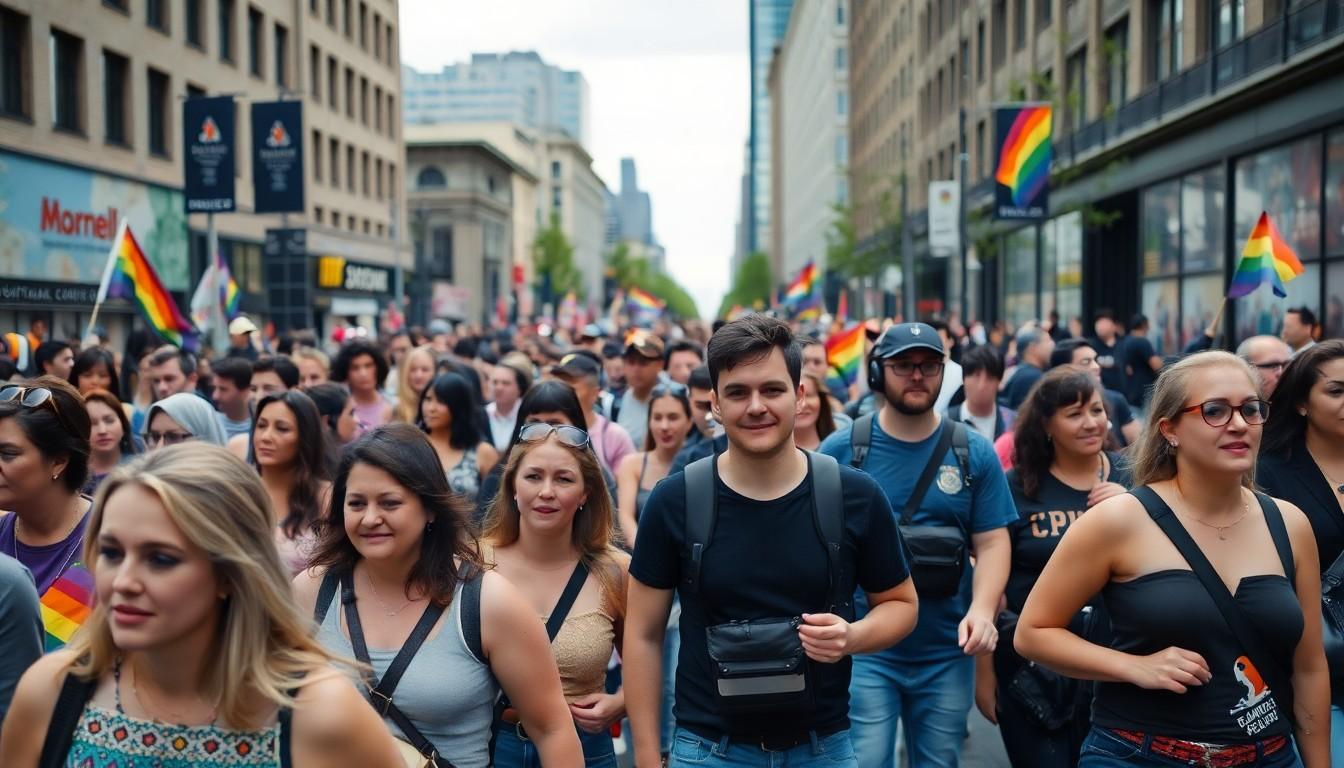
Shoppers and revelers poured into downtown Montreal as Pride returned with colour, music and a sharper security presence; thousands marched in both the official Fierté Montréal parade and a scrappier Wild Pride protest, reflecting joy, worry and a debate about corporate sponsorship and safety.
Essential Takeaways
- Heightened security: Organisers increased safety measures after a deadly attack at Berlin Pride, so checkpoints and visible stewards were more common.
- Two Prides: Fierté Montréal’s parade drew families, performers and corporate floats, while Wild Pride staged a separate, more politicised march protesting corporate and police presence.
- Local concern: Attendees expressed nervousness about rising hostility toward LGBTQ+ people, but many said visibility still felt empowering.
- Generational voices: Older activists and queer elders marched with community groups, adding historical memory and emotional weight to the day.
- Vibrant atmosphere: Despite tension, the streets were full of colour, music and theatrical costumes , a sensory mix of glitter, drums and chants.
A bright day, with an edge of watchfulness
The parade atmosphere was loud, glittery and unmistakably celebratory, but organisers weren’t taking chances; you could feel a carefulness beneath the confetti. According to coverage, Fierté Montréal boosted security after the fatal Berlin attack, so barriers, staff and an increased steward presence were visible along the route. That mix of party and protection set the tone for the day , joyful, but alert.
This isn’t happening in a vacuum. International reporting has prompted festivals worldwide to reassess risk, and Montreal’s plans reflect that wider shift. For those attending, a simple practical tip: arrive early, note the steward stations, and agree on meeting points with friends in case you get separated.
Why Wild Pride marched separate from the main parade
Not everyone felt represented by the official event, so a second march , Wild Pride , took to the Plateau to make a noisier point. Protesters criticised corporate sponsorship and police participation, arguing Pride should prioritise protest and community care over branding. The split echoes recent years when groups left official organisations amid cultural and political disputes.
If you’re picking which event to attend next year, think about what you want from Pride: family-friendly celebration, or a politics-first march. Both are part of the movement’s tapestry, but they answer different needs.
Voices from the crowd: celebration, worry, memory
Participants shared mixed emotions. Some older attendees remembered eras when queer spaces were clandestine and dangerous, and they noted how much has changed. Others, including trans people, expressed fear about regional laws that restrict access to gender-affirming care, which adds a domestic dimension to global safety worries.
Those personal stories matter. They remind us Pride isn’t just a party , it’s also a public statement about rights, survival and history. If you talk to marchers next time, listen for those threaded memories: they give context to chants and costumes.
Corporate floats versus grassroots politics: the ongoing debate
Big-name sponsors were clearly visible in parts of the official parade, and that rubbed some activists the wrong way. Organisers of Wild Pride and allied groups argue sponsorship can dilute the protest roots of Pride and sideline marginal voices. Supporters of corporate involvement say investment helps produce accessible, large-scale events.
There’s a practical middle ground: demand transparency about sponsorship money and insist funds benefit community programmes. That way, visibility and resources can serve both celebration and social change.
What safety changes mean for future Prides
Organisers across the world are learning from recent attacks and tightening protocols, from crowd management to intelligence-sharing with police. In Montreal, those measures were apparent and, for many, reassuring. Still, some attendees worry about increased police presence and how that affects marginalised community members.
A helpful rule of thumb for attendees: check the event’s safety guidance before you go, consider low-risk ways to participate if you’re concerned, and connect with community groups that offer buddy systems or safe-space information.
It's a small change that can make every parade both safer and truer to the people it celebrates.
Source Reference Map
Story idea inspired by: [1]
Sources by paragraph: