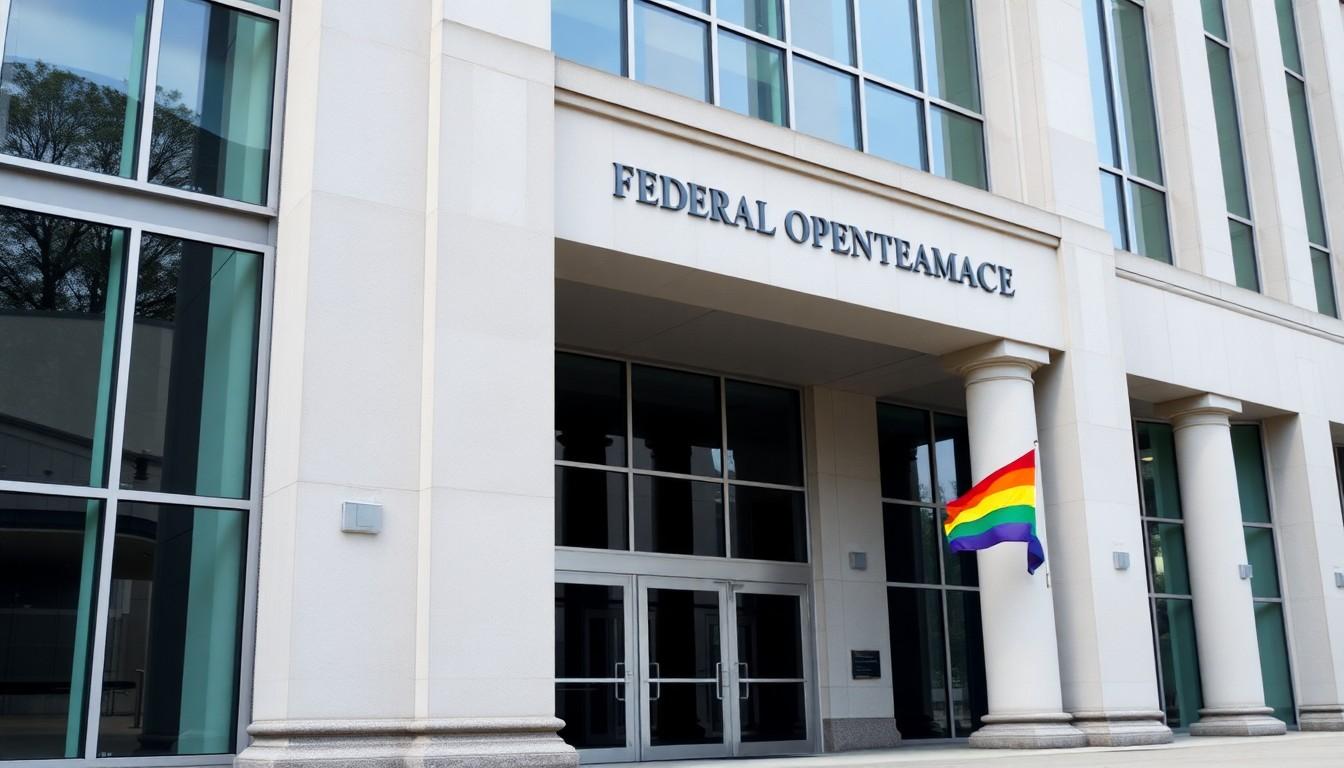
Shoppers, parents and viewers are watching as lawmakers and advocates duke it out over whether children’s shows should carry labels for LGBTQ+ or gender-content , a debate playing out at the Federal Communications Commission that matters for families, broadcasters and streaming services.
Essential Takeaways
- Who’s pushing: A group of House Republicans asked the FCC to require clear labels or warnings on children’s programming with LGBTQ+ or gender themes.
- Why it matters: Supporters say parents want transparency so they can choose age-appropriate content; opponents say the FCC may lack authority to mandate such labels.
- What’s at stake: Streaming platforms like Netflix have a notable share of children’s shows featuring LGBTQ+ characters, which fuels the debate.
- How people feel: Polling from advocacy groups suggests many parents favour content flags; LGBTQ+ organisations and civil liberties groups warn of censorship or overreach.
- Practical tip: If you’re a parent, check platform ratings and parental controls now , and look beyond headlines to find examples of the actual content in question.
What’s happening at the FCC and why parents are tuning in
This fight landed at the FCC after Republican members of the House asked the commission to consider labelling children’s programmes that include LGBTQ+ or gender-identity themes. The request follows an FCC public notice that said parents have raised concerns about controversial gender-identity issues appearing in children’s shows without notice. That combination of congressional pressure and agency interest has pushed the question into the open, and it’s easy to see why parents are watching , the issue is personal and visual, and people instinctively picture what their children see on screens.
The backdrop is a cultural tug-of-war: one side wants transparency so families can decide what their kids watch, the other worries about government or regulatory interference in creative expression. For now, it’s mostly letters, notices and comment periods, but those are the building blocks of policy, so the debate could lead to real change down the line.
Who supports content flags , and who warns against them
Organisations representing conservative parents quickly applauded the FCC’s willingness to take comments and urged stronger disclosure rules. A poll from an advocacy group showed a large share of respondents calling for labels for sexual content, violence and sensitive themes, including LGBTQ+ messaging, in children’s programming. That data fuels calls for a formal system of warnings, and lawmakers framing their ask as a parental-rights issue.
On the other side, civil liberties and LGBTQ+ groups, along with some free-press advocates, argue the FCC may not have the legal authority to impose such ratings or labels and that heavy-handed rules risk stigmatizing LGBTQ+ people and limiting creative freedom. They warn that mandatory warnings could be used to chill representation rather than protect children. So the conversation is as much legal and cultural as it is practical.
What streaming platforms and producers are doing , and why it matters
Streaming platforms have changed the rules of engagement. Netflix and other services produce a lot of children’s content and are often cited because a sizeable minority of their kids’ shows now include LGBTQ+ characters or themes. Producers sometimes update reboots to reflect contemporary values, which fans appreciate or dislike depending on their perspective. That shift means the debate is no longer about a handful of shows on linear TV; it’s about whole libraries parents can access any time.
For parents who prefer not to encounter certain themes, the practical takeaway is simple: explore your platform’s parental controls, use profiles for younger kids, and preview new series where possible. For policymakers, the presence of such content on major streamers is what turned a cultural argument into a regulatory one.
How this could affect ratings, labels and parental choice
If the FCC or other bodies move toward mandated labels, networks and streamers would likely adopt new disclosure language or icons for episodes and series. Supporters argue this would give parents the ability to make informed choices without banning content; critics say it’s a slippery slope to censorship or a bureaucratic labelling system that singles out particular communities.
Either way, parents should treat labels as one tool among many: ratings systems, age gates, watchlists and co-viewing conversations remain effective strategies. And if you care about how content is described, participating in public comment periods or speaking with your service provider is a straightforward way to be heard.
What to do now as a parent or viewer
If you’re worried or curious, start by checking the parental settings on your streaming services and creating kid-safe profiles. Preview shows before children watch them, and use reviews or episode guides when available. If you want policy change, respond to FCC notices or contact your MP , regulatory processes move slowly, but public input does shape outcomes.
This debate is as much about values as it is about labels; clear information helps families make choices, but it’s worth remembering that representation and visibility in media also reflect real people. Finding a balance that protects children while respecting creators and communities is the challenge ahead.
It's a small change in process that could make a big difference in what ends up on a child's screen.
Source Reference Map
Story idea inspired by: [1]
Sources by paragraph: