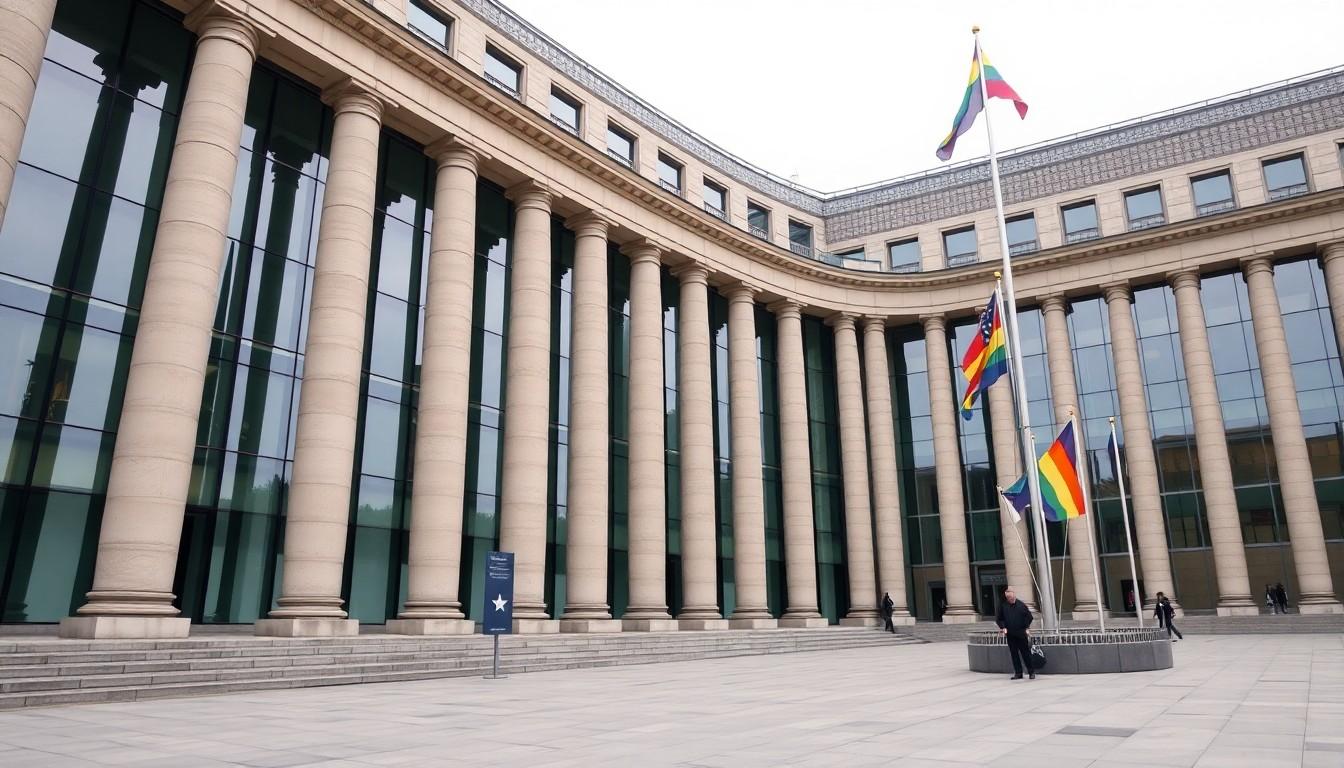
Shoppers, voters and activists are watching as organisers across Europe rally to protect Pride , and with it, civic freedoms. Irish groups and thousands more have signed an open letter urging Brussels to treat restrictions on Pride as a red flag for democratic backsliding, because when assembly is curtailed, more is at stake than a parade.
Essential Takeaways
- Broad support: Over 3,400 individuals and organisations, including LGBT Ireland and Belong To Youth Services, have signed the ILGA Europe and EPOA open letter.
- Clear ask: Campaigners want EU leaders to recognise Pride restrictions as democracy indicators and publicly defend peaceful assembly.
- Rising tension: Pride events remain banned or restricted in parts of Europe, with Romania’s Oradea Pride marching despite repeated bans.
- Practical risk: Restrictions often coincide with state violence, defunding and online hate , a toxic mix that affects more than one community.
- Call to action: The campaign encourages further signatures and urges Ursula von der Leyen and Kaja Kallas to respond decisively.
Why campaigners say Pride is a litmus test for democracy
Pride isn’t only glitter and music; it’s a very public exercise in the freedoms democracies promise, and it looks and feels tangible , colours, crowds, cameras. Organisers from ILGA Europe and the European Pride Organisers Association launched Protect Pride. Protect Democracy. to make that link plain: curbs on Pride often arrive alongside other erosions of civic life. Reuters-style reporting and campaign materials show this pattern repeating across the bloc, and campaigners want EU institutions to treat these episodes as early warnings rather than isolated local issues.
Put simply, if the right to gather is squeezed, other rights can follow. Volunteers and local groups who once relied on municipal funding now face defunding or administrative hurdles, while online hate morphs into street-level threats. For readers wondering why this matters beyond solidarity, the answer is practical: protecting assembly helps keep spaces safe for protest, cultural life and everyday civic participation.
What the open letter actually asks from EU leaders
The open letter, backed by thousands, makes three straightforward demands: acknowledge restrictions on Pride as indicators of democratic decline, respond when events are threatened, and strengthen EU-level protections for peaceful assembly. The petition targets high-profile figures , Ursula von der Leyen and Kaja Kallas , to ensure the message reaches the top of EU policymaking. That’s a smart political move; a named ask creates clear accountability and a media moment that can nudge hesitant capitals.
If you’re thinking about impact, this approach mixes moral pressure with political theatre. Public statements from EU heads can embolden local authorities to uphold rights, and the campaign’s visibility helps spotlight places where protections are weakest, making it harder for backsliding to stay under the radar.
Where restrictions are happening and why it’s worrying
Events in places such as Oradea, Romania, where marchers turned out despite a fourth consecutive ban, underline how uneven protections are across Europe. Campaign reporting and ILGA Europe briefings show a worrying cluster of tactics: legal bans, police inaction or overreach, and municipal hurdles that make permitting a nightmare. The effect is both literal , fewer marches, fewer safe spaces , and symbolic: a message that certain citizens are less welcome in civic life.
For families, young people and grassroots groups, that symbolism translates into fear or disengagement. When Pride is targeted, teachers, healthcare workers and youth workers who support LGBTQ+ people can feel exposed, too. That’s why campaigners argue the stakes are democratic, not just cultural.
How communities and institutions are responding
Organisers have been resilient and inventive. Where permits fail, people march anyway; where funding dries up, coalitions step in. EPOA and ILGA Europe are coordinating sign-on letters, practical toolkits and visibility campaigns to keep focus on both immediate protection and longer-term legal remedies. This multi-pronged strategy mirrors other successful civil-society efforts: combine public pressure, legal challenges and on-the-ground support to keep events safe.
For EU institutions, the path is trickier. Saying the right thing matters, but so does funding monitoring, supporting local organisers and using diplomatic channels when member states backslide. Expect campaigners to push for clearer guidance on assembly rights and for Brussels to be called out if it stays silent.
What you can do , simple steps that make a difference
If you want to help, the campaign makes it easy: sign the open letter, share verified information, and support local groups financially or with time. If you attend an event, follow organisers’ safety guidance and report hostile incidents. For employers and institutions, reaffirming non-discrimination policies and protecting staff involved in Pride sends a practical signal that civic participation is supported.
And if you’re a voter, ask candidates how they’ll protect assembly rights and support civil society. Democracies respond to attention, and a steady stream of civic pressure is often what keeps hard-won freedoms in place.
It's a small change that can make every march safer and every voice louder.
Source Reference Map
Story idea inspired by: [1]
Sources by paragraph: