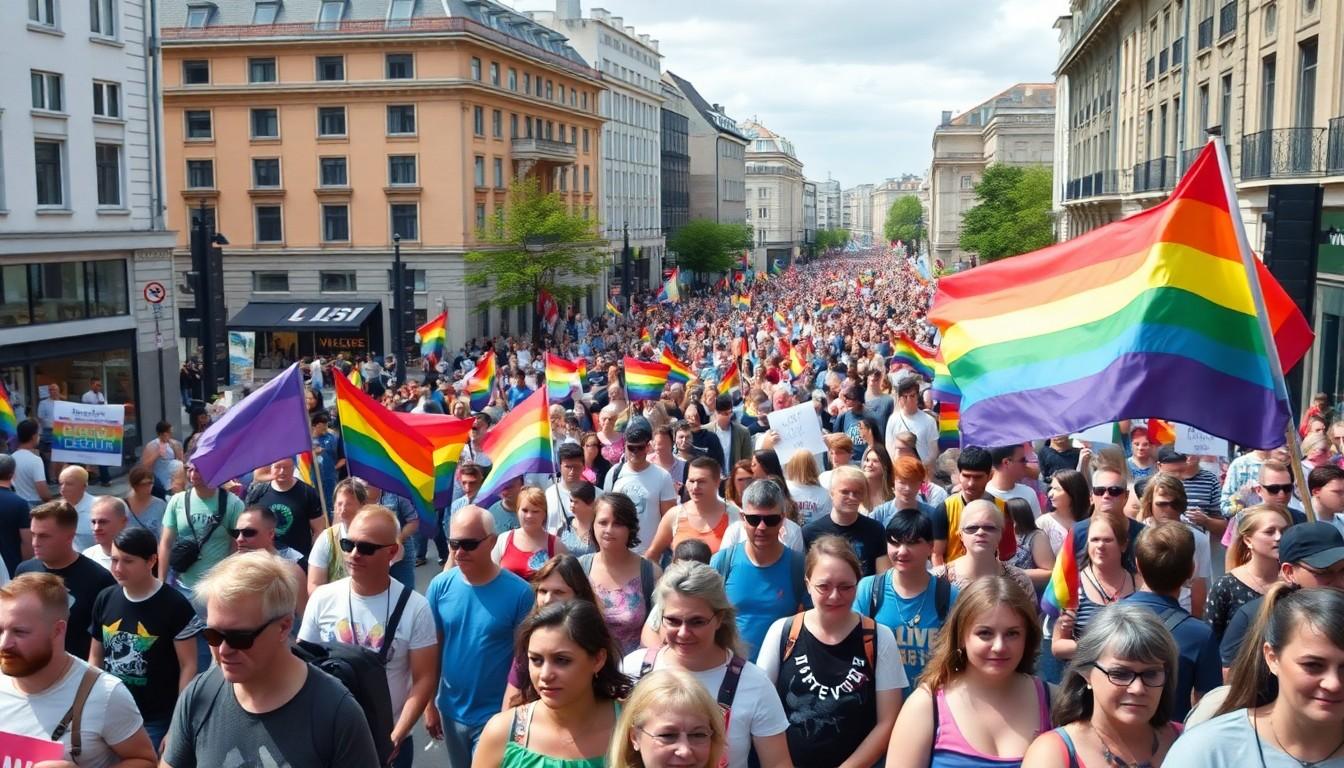
Shoppers and citizens keep turning out: communities across Germany have been marching in record numbers for queer rights, two weeks after the deadly attack at Berlin’s CSD , a visible, vocal push for safety, visibility and political change that matters for everyone.
Essential Takeaways
- Record crowds: Cities including Cologne, Nuremberg and Hamburg saw tens to hundreds of thousands join Pride events, with many local organisers calling numbers above previous years.
- Heightened security: Police significantly increased measures after the Berlin attack that killed one person and injured many; organisers are urging sustained protection for queer spaces.
- Broad solidarity: Events attracted both queer people and large numbers of non-queer allies, creating a resolute, “now more than ever” atmosphere.
- Political ask: Pride organisers are pressing federal, regional and municipal authorities to fund long-term protection and support for queer structures and communities.
- Feel of the day: Participants described marches as powerful, emotional and defiant , often in spite of rain or heavier policing.
Why turnout surged: grief turned into public solidarity
The mood across recent Pride marches has mixed grief with fierce resolve , people want to be seen and to protect one another. According to local organisers in Cologne and Nuremberg, attendance jumped well beyond expectations, with long chants and banners creating a tactile sense of community. Organisers told reporters they felt it was essential to show that queer life will not be intimidated, and that solidarity now reads as both comfort and protest.
Numbers and scenes: from Cologne to Hamburg, big crowds made a point
Cologne’s organisers reported around 10,000 people at a solidarity demonstration, while Nuremberg recorded roughly 20,000 , up on last year. Hamburg’s Pride weekend drew vast crowds too, with media describing the parade as one of the largest in Europe. The scale matters: when streets are full you get a visual argument for inclusion that politicians and passers-by can’t ignore, and it helps rebuild a sense of safety after violent events.
Security tightened , what that looked like and why it matters
Police stepped up security at follow-up events after the Berlin attack, deploying more officers and specialist units at parades. That showed organisers and participants that authorities recognised the threat, but it also raised questions about the balance between protection and the open, celebratory feeling many associate with Pride. Practically, if you’re attending future marches expect bag checks, fenced zones and higher police visibility , and plan for meeting points and phone-charging options just in case.
Organisers’ demands: beyond one-off protection to sustainable support
Pride groups are calling for sustained measures from federal, state and local governments: consistent funding, better policing plans, protected queer venues and education initiatives to tackle queerphobia. Organisers argue that legal protections and community funding can’t be reactive; they need to be baked into public planning so queer life is resilient long after headlines move on.
How to show up safely and usefully
If you’re going to a march, think ahead: wear comfortable shoes, carry water, pre-arrange a rendezvous spot with friends and respect crowd-safety instructions. Consider bringing small donations for local groups rather than just social media posts , grassroots organisations often need cash to fund counselling, legal aid and venue security. And if you can, volunteer: marshals, first-aid helpers and vibe-keepers make a big difference.
It's a small change that can make every march safer and every voice louder.
Source Reference Map
Story idea inspired by: [1]
Sources by paragraph: