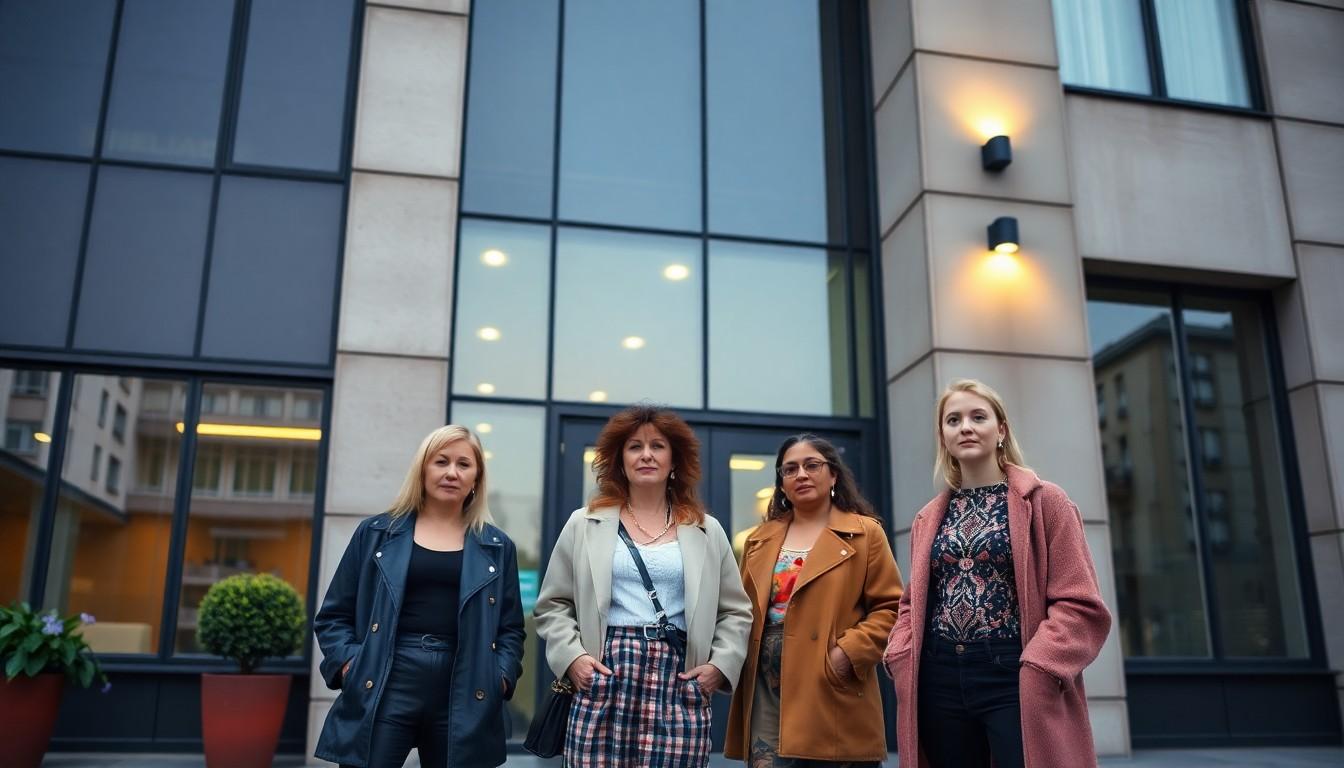
Shoppers and onlookers flocked to Wenceslas Square as Prague Pride turned the city into a carnival of colour and performance, where three Czech drag queens explained what drag means to them, why it matters for the LGBTQ+ community, and how this playful, defiant art form keeps pushing boundaries.
Essential Takeaways
- Live, loud and visual: Prague Pride stage shows and street performances were full of bold costumes, heavy makeup and towering heels that read as both joyful and political.
- Art as escape: Performers said drag lets people explore desires and identities they might not in everyday life, offering a safe, creative outlet.
- Satire with teeth: Drag often exaggerates gender norms to critique inequality and social expectation, making humour a tool for critique.
- Community tensions exist: Queens at Pride acknowledged divisions inside and outside the LGBTQ+ movement, yet saw drag as a bridge for conversation.
- Accessible celebration: Events mix big-name acts and local talent, creating moments that feel intimate, theatrical and easy to join.
A riot of colour that doubles as protest
Prague Pride’s parade and programme felt loud, tactile and slightly electric, with sequins glinting under the summer sun and performers commanding attention with every exaggerated gesture. According to Prague Pride’s own programme, the festival mixes celebration with activism, which is exactly what drag does on the street: it delights while it confronts. Performers described the relief and exhilaration of stepping into a character, and how that character can say things the performer might never voice in day-to-day life. If you’ve ever seen a wig whack land with comic timing, you know how performance can cut through discomfort.
Drag as personal liberation and artistic practice
One performer explained drag as a way to realise desires people often keep private, a point echoed in festival commentary that frames drag as non-harmful, expressive art. This isn’t only about dressing up; it’s a deliberate choice to inhabit a persona that allows play, critique and exploration. For newcomers, pick a persona that feels true in some element , the theatrical flourish, the voice, or the style , and build from there. Costuming and makeup can be learned step by step, and local workshops at Pride make it easy to start.
Satire, gender and the power of exaggeration
Drag thrives on irony. By amplifying feminine or masculine traits, drag performers highlight the artifice of gender itself. That ironic edge is what gives many acts their bite; humour becomes a form of argument. Encyclopaedic and festival resources explain that drag queens and kings use over-the-top clothes and makeup to show how norms are constructed, and how they can be dismantled. For audiences, that means you’re not only entertained , you’re invited to reconsider the everyday scripts we all follow.
Inside the movement: tensions, dialogue and solidarity
Not everything is uniform inside LGBTQ+ circles, and the performers acknowledged friction , debates about who’s represented, what respect looks like, and how drag fits with trans rights and other struggles. Yet the message at Prague Pride was inclusive: drag can be a platform for conversation, a way to bring people together while also airing disagreements. Organisers balance headline acts with grassroots talent so the festival doesn’t just celebrate stars but supports emerging voices too.
How to enjoy Pride performances thoughtfully
If you’re heading to a parade or club night, go prepared: expect loud music, crowded spaces and sensory overload. Respect performers’ boundaries , photos are often welcome, but ask if unsure. Workshops and smaller shows are great for first-timers who want to learn without the crush of a main-stage crowd. And if you want to support the scene, buy merch, tip performers or join community events: that kind of grassroots funding keeps local art alive.
It's a small change that can make every performance feel kinder, braver and more meaningful.
Source Reference Map
Story idea inspired by: [1]
Sources by paragraph: