Watch how a few viral moments have reignited questions about who Pride is for, who gets to speak, and why the movement’s language and tactics now matter to everyone , including those branded “witte cishetero”. This matters in Amsterdam, Berlin and beyond because inclusion that feels like exclusion breeds backlash.
Essential Takeaways
- Fact: Multiple Dutch reporting outlets say complaint lines found no legal discrimination in Sophie Straat’s “all white men to the back” remark.
- Tone: The language used at some Pride events feels confrontational and exclusionary to some attendees; reactions have been loud and emotional.
- Scene detail: Social media amplifies the most extreme images , from fake blood to stolen flags , creating a vivid, sometimes misleading impression.
- Practical: If you organise or attend Pride events, clarity in messaging and context can prevent misreadings and legal complaints.
- Sense: Many long-time allies feel nostalgic for a freer, less doctrinaire Pride; others say stronger rhetoric is overdue.
How a catchphrase turned into a legal and cultural flashpoint
A punchy stage line , “all white men to the back” , travelled fast on social platforms and landed headlines. According to reporting, complaint services found no legal discrimination, and prosecutors declined to pursue charges. The immediate sensory detail here is social media’s soundtrack: short, sharp clips, people shouting, and a lot of overheated commentary. That’s how small moments become big controversies nowadays.
Context matters. Protest culture, performance art and activist rhetoric have always tested boundaries at Pride. But when a slogan targets a broadly defined group, it collides with ideas of liberal tolerance that many attendees still cherish. For organisers and performers, the practical takeaway is obvious: be ready to explain intent and context in full, not just rely on the roar of the moment.
Why some long-term supporters feel alienated
There’s a human note to this , people who once loved the carnival atmosphere now say they feel lectured rather than welcomed. For some hetero, white participants the word “witte cishetero” lands with a sting: it’s shorthand that can feel dismissive, even if it’s meant to name power dynamics. That emotional texture is important because movements that lose sympathetic bystanders risk shrinking their cultural space.
Industry commentators and columnists have pointed out that when inclusion becomes identity policing, casual allies drift away. The practical advice for activists is simple: if you want broad support, avoid language that reads as shaming an entire demographic rather than calling out systems of privilege.
Extremes on boats and the problem of selective outrage
Video from Canal Pride showed theatrical stunts , a boat with symbolic “blood”, provocations around flags and confrontational slogans , which some viewers saw as legitimate protest and others as targeted aggression. News outlets reported the incidents, and critics said platforms amplified the most sensational clips, not the mellow majority enjoying the party.
That selective lens fuels polarised reactions. A neutral observer might note that most participants were celebrating, yet the clips that loop on feeds shape public opinion. For anyone organising events, a practical step is better crowd-messaging and clearer boundaries for political theatre so the wider public can tell the difference between protest and harassment.
Is inclusivity turning into a new dogma?
Some commentators argue Pride has drifted from liberal celebration into identity-driven doctrine, where a growing alphabet of categories becomes a kind of membership test. There’s a real debate here: is expansion of language and recognition a necessary step, or has it become performative signalling by institutions and brands?
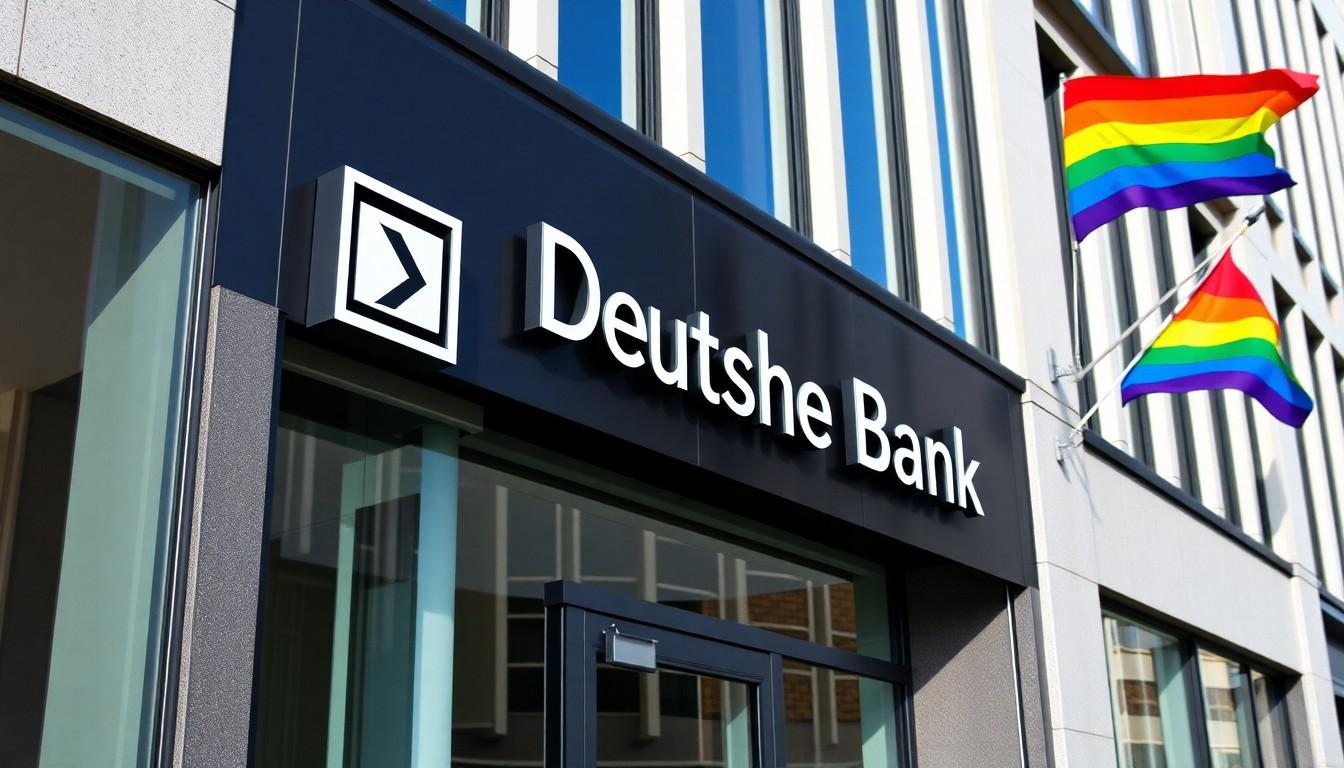
The reality is mixed. Corporations and municipalities now display supportive branding, but critics warn of “brand-woke” postures that lack depth. For attendees who value both freedom and fairness, the practical tip is to ask organisers for inclusive codes of conduct and for brands to back words with policies.
What organisers, allies and visitors can do next
Pride remains a vital space for visibility and joy, but tensions show why nuance matters. Organisers should communicate intent, performers should frame provocations, and visitors should seek context before judging viral clips. Allies who want to help can show up, listen, and choose language that invites conversation rather than shutting it down.
A small change , a line of explanation, a briefing about on-stage rhetoric, or a visible code of conduct , can keep celebration rooted in the liberal freedoms that made Pride possible.
It's a small change that can make every march feel more open, and less like a test.
Source Reference Map
Story idea inspired by: [1]
Sources by paragraph: