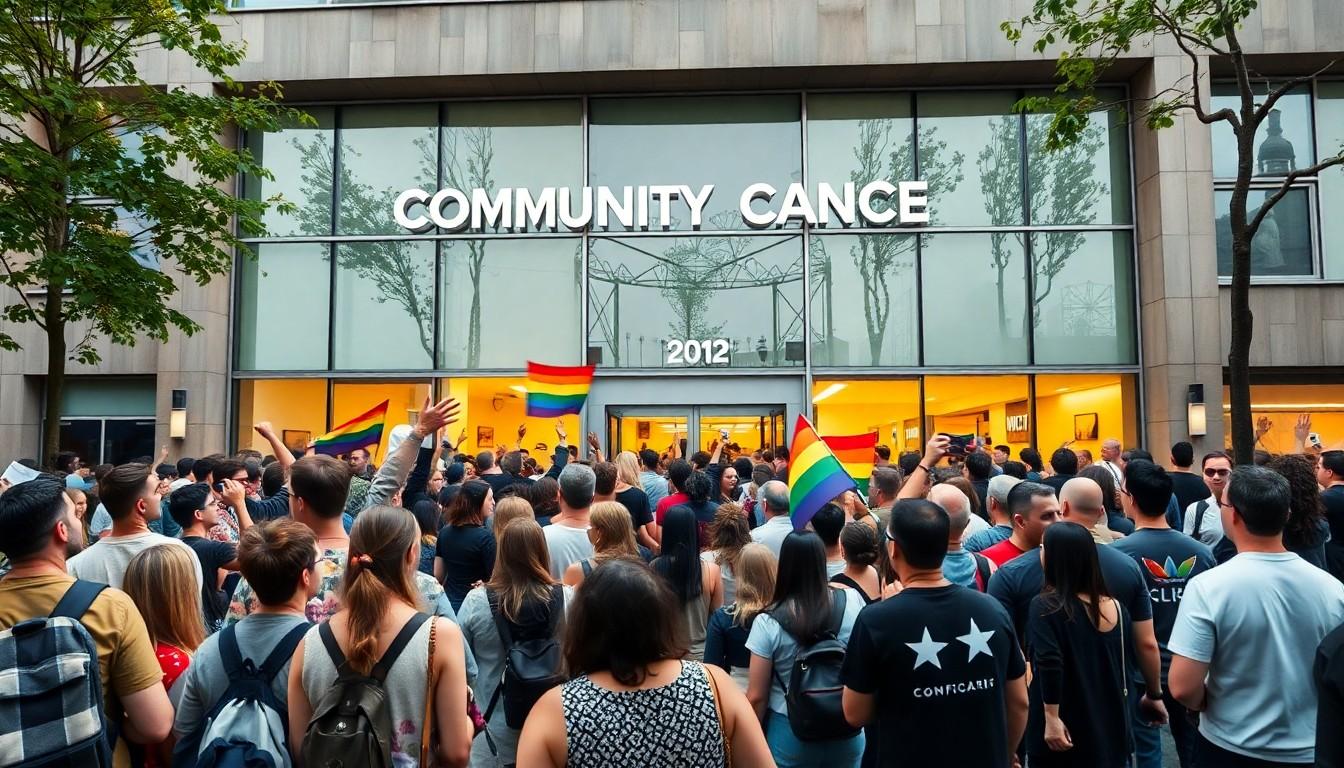
Watchers are paying closer attention to World Pride in Amsterdam this week as grief, defiance and celebration mingle; the event matters because it’s a global show of visibility, a safety signal and a reminder that LGBT+ rights are far from secure.
Essential Takeaways
- Global scale: World Pride pulls together activists and celebrants from many countries, making it a rare international platform for visibility and solidarity.
- Security reality: The Berlin attack has underlined that Pride parades can be targets, so heightened safety measures and vigilance are now part of the experience.
- Political stakes: Anti-LGBT+ policy moves and far-right and Islamist threats are reshaping the debate; Pride is as much political as it is joyful.
- Practical vibe: Events are colourful and noisy, with a strong festival feel, but organisers balance fun with safe zones, legal advice stalls and advocacy hubs.
- Local impact: Hosts like Amsterdam use World Pride to boost awareness, tourism and municipal support, while also handling logistical and security complexities.
Why World Pride in Amsterdam feels different this year
This edition of World Pride arrives with a sharper edge: grief for Berlin’s victims and an acute awareness that public joy can be targeted. You can feel it on the streets , the banners and music are the same, but people are watching more, hugging tighter and speaking about safety as well as celebration. According to local organisers, Amsterdam has ramped up security, layered events across multiple venues and set up clear information points; that practical planning matters when crowds gather and emotions run high.
There’s also the symbolism. World Pride is deliberately transnational , a statement that queer lives aren’t confined by borders. The Amsterdam programme blends parades with political forums, health clinics and refugee support stands, showing how Pride now mixes party with practical help. If you’re attending, factor security briefings into your plans and look out for designated safe routes and meeting points.
How the Berlin attack reshaped conversations about safety and purpose
The terror attack in Berlin was a grim reminder that visibility carries risks, even in Europe, and Pride organisers are responding. Police presence is more visible, bag checks are common, and community groups are offering wellbeing support for anyone shaken by the news. Reuters and AP-style reporting of events like Berlin tends to prompt immediate operational changes in later festivals, and this feels true in Amsterdam.
But organisers and activists stress the opposite of retreat: increased visibility is part of the answer. Pride organisers argue that cancelling or shrinking events handed victory to those who want queer lives hidden. Practical advice for attendees: travel in groups, register meeting spots on your phone, and note where medics and information hubs are positioned.
Politics on the march: why Pride is still a frontline for rights
Pride events double as political campaigns because legal protections are fragile. From calls to repeal discrimination laws to councils banning flags and funding cuts, the political landscape is shifting in places like the UK and beyond. Those moves don’t just affect ceremony; they touch access to services, legal redress and everyday safety.
This is why many booths at World Pride aren’t selling merch so much as offering legal clinics, asylum advice and contact details for support organisations. If your concern is policy rather than parade, attend talks and panel sessions , they’re often a useful crash course in where rights are being rolled back and how activists plan to respond.
The complex picture of threats: far right, Islamist-inspired violence, and stigma
There’s no single enemy here. The threats to LGBT+ people include far-right hostility, anti-trans campaigns, and, in some cases, Islamist-inspired violence. Each has different roots and requires different responses, and organisers are keen to name the distinction while refusing to scapegoat whole communities. Human-rights groups point out that, globally, LGBT+ people , including many Muslims , are often the primary victims of religiously motivated repression.
That complexity matters because effective responses need nuance: law enforcement must pursue violent extremists, social services must counter hate-based exclusion, and communities must avoid stigmatising entire faith groups. For visitors, the takeaway is simple: support the solidarity work on site and listen to community groups explaining local contexts.
What Amsterdam and host cities get right , and what to look for next
Amsterdam’s civic embrace of World Pride gives the event logistical muscle and public visibility, from transport planning to temporary health services. The city’s official pages and organisers lay out timetables, safety guidance and accessibility information, which helps make the festival less chaotic and more inclusive. Practical features to appreciate include quiet zones, translation services and drop-in clinics.
Longer term, World Pride proves that hosting matters: it can change municipal thinking, boost local advocacy and spotlight refugee and asylum pathways for queer people. But it also creates a target-rich environment for opponents. Watch how future hosts balance openness with security, and how they funnel the visibility into durable policy shifts, not just one-off celebrations.
It's a small change that can make every Pride safer and more impactful.
Source Reference Map
Story idea inspired by: [1]
Sources by paragraph: