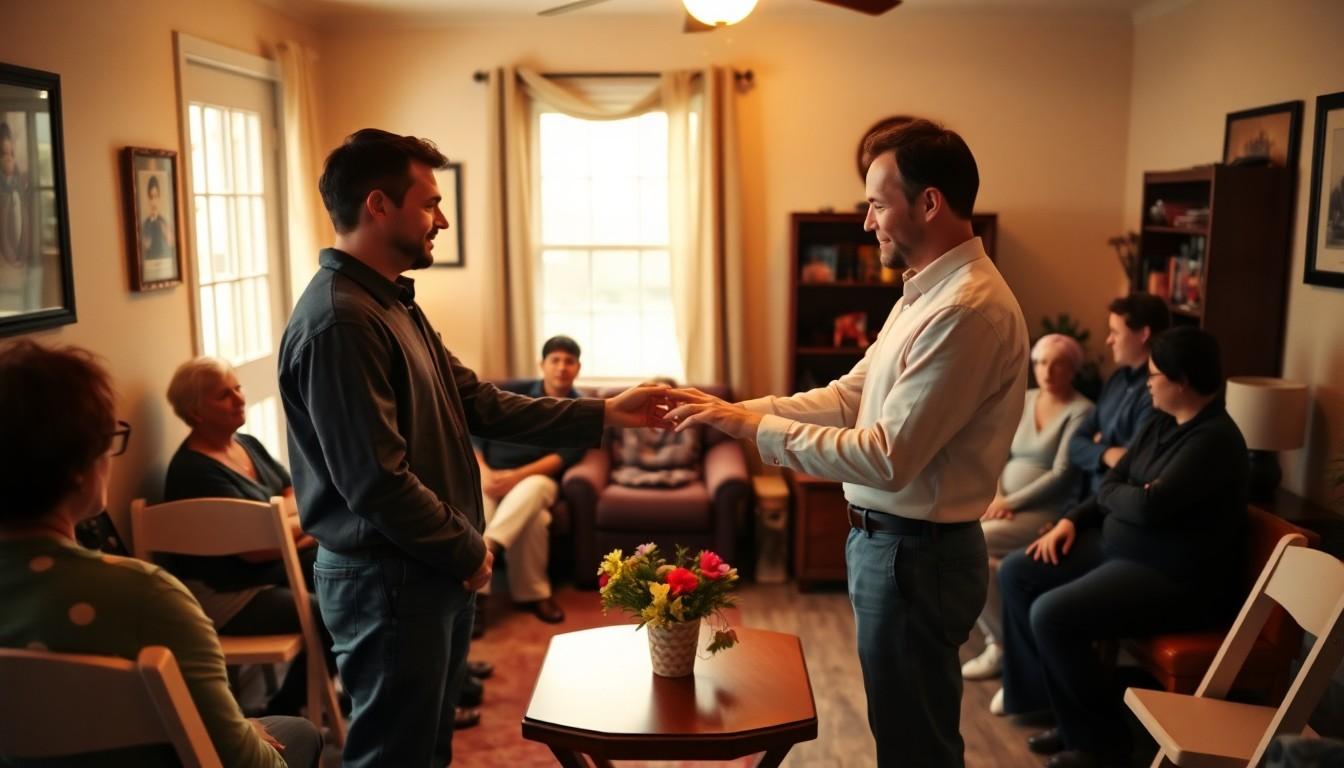
Shoppers are still drawn to stories that changed how we see love: Pedro Zamora and Sean Sasser’s 1994 commitment ceremony on MTV made gay intimacy visible to millions, revealing affection, care and hope during the AIDS crisis and helping shape later debates about marriage and representation.
Essential Takeaways
- Historic moment: Two men exchanged rings and kissed on The Real World: San Francisco in 1994, a rare public display of gay male intimacy on mainstream TV.
- Everyday tenderness: The ceremony’s power came from ordinary gestures , vows, a cake, a kiss , that normalised romantic life for viewers.
- HIV context: Both men were living with HIV; their relationship countered portrayals that reduced people with HIV to tragedy.
- Lasting influence: The season shifted perceptions for younger audiences and helped pave the cultural ground for later legal recognition.
- Human legacy: Pedro died later in 1994; Sean lived on, continuing activism and life beyond the screen.
Why a simple ceremony mattered , and still does
The commitment ceremony in that San Francisco house looked unpretentious: matching shirts, friends gathered, a cake made by Sean and a kiss. Yet seeing two men pledge themselves to each other in living rooms across America felt revolutionary. According to retrospectives and media coverage, the scene’s ordinariness was its strength , it didn’t sermonise, it showed connection, and that made prejudice harder to sustain. For many viewers the image of tenderness between men was a first and it lingered.
How The Real World changed the rules of representation
MTV’s format let viewers follow lives over a season, which meant intimacy could grow on screen rather than be staged for a single episode. Pedro’s presence forced conversations about HIV in micro-moments , sharing medication, answering housemates’ fears , while his relationship with Sean made those conversations personal. Reality TV suddenly wasn’t just spectacle; it became a way to humanise people traditionally kept at arm’s length on scripted shows.
Love under the shadow of AIDS , complexity, not caricature
Both men were living with HIV at a time when effective treatments were not universal and AIDS deaths were still common. Yet the show resisted the one-note “victim” narrative. Pedro and Sean flirted, argued, planned and laughed , showing that a diagnosis didn’t erase desire or the wish for commitment. That distinction mattered: it offered audiences a fuller picture of people living with HIV, rather than a cautionary tale.
The ripple effect for viewers, especially young people
The Real World targeted younger audiences, many of whom had limited exposure to openly gay people or accurate information about HIV. For closeted teens, or those wrestling with identity, watching a same-sex relationship treated with normalcy offered a rare promise of belonging. For straight viewers, it turned abstraction into a face and a story , empathy often arrives through familiarity, and the season delivered it in spades.
What came after: visibility, but not instant change
It would be wrong to claim television changed overnight. Will & Grace and scripted comedies later brought gay characters into homes weekly, but Pedro and Sean did something different: they showed love in real time, with all its messy humanity. That visibility helped shift public feeling bit by bit, even if legal recognition took decades. The ceremony pointed to a future neither man would fully see, but it helped make that future imaginable for others.
It's a small but lasting reminder that letting people be ordinary , with rings, cake and kisses , can be a radical act.
Source Reference Map
Story idea inspired by: [1]
Sources by paragraph: