Shoppers and newcomers are rediscovering the personal stories behind Toronto’s queer movement. Meet D Hager , a 67‑year‑old activist whose life stretches from 1960s Calgary gunfire to Vancouver drag stages to Toronto’s pioneering supportive housing , and learn why those stories still matter.
Essential Takeaways
- Decades of activism: D Hager has lived openly as Queer for more than 50 years and has been active in drag, S&M advocacy and housing justice.
- Early danger, persistent defiance: Growing up in 1960s Calgary, Hager remembers gunshots and assaults near the city’s only gay bar, a sobering backdrop to later community work.
- Cultural pioneer: In Vancouver she performed as a drag king nicknamed “Meatloaf,” back when women doing drag was rare and political.
- Housing impact: Hager spent 25+ years in housing, contributing to projects like Street City that mixed shelter with dignity and innovation.
- Pass it on: Her advice to younger queer folk: talk about your struggles, know your history, and don’t get hung up on labels.
A life that reads like a queer history primer
D Hager’s story lands with a sensory clarity: the buzz of a bar, the smell of stage makeup, the echo of protest crowds. According to interviews and archival snapshots, Hager has been a visible presence in queer scenes from Calgary to Vancouver to Toronto. Her recollections aren’t polished memoir fragments; they’re lived moments that stitch together decades of movement-making. For anyone curious about how grassroots queer life looked and felt before yesterday’s headlines, her life is a primer.
Before the word “drag king” had traction
In late 1970s Vancouver, women who dressed as men on stage did it for the thrill, not the label. Hager remembers performing Kenny Rogers and Meat Loaf numbers with friends, getting into costumes and makeup and laughing through the risk. Those nights were playful and defiant at once: entertainment that doubled as protest in a culture still hostile to queer public joy. If you’re looking at today’s thriving drag and queer nightlife scene, remember it was built on small nights like these.
S&M, feminism and the cost of intra‑movement fights
Hager’s involvement with S&M in the 1980s landed her in the middle of heated feminist debates. She framed kink as bodily autonomy , a feminist value , and tried to create educational spaces that many contemporary organisers resisted. The result was vocal confrontation and cancelled workshops, but also gradual shifts: conversations that reopened and attitudes that softened the next year. Her experience is a reminder that movements aren’t monoliths; they argue and evolve in public, sometimes painfully.
From danger in Calgary to community in Vancouver
Calgary in the 1960s wasn’t kind to queer people. Hager recounts a time when patrons at the city’s lone queer bar watched for threats and sometimes heard gunfire. Those risks pushed many to migrate: she headed west and found a different, emerging community in Vancouver that offered comradeship and possibility. It’s a pattern echoed across queer Canadian history , the search for safer spaces leading to new hubs of culture and activism.
Housing justice: activism that keeps roofs over heads
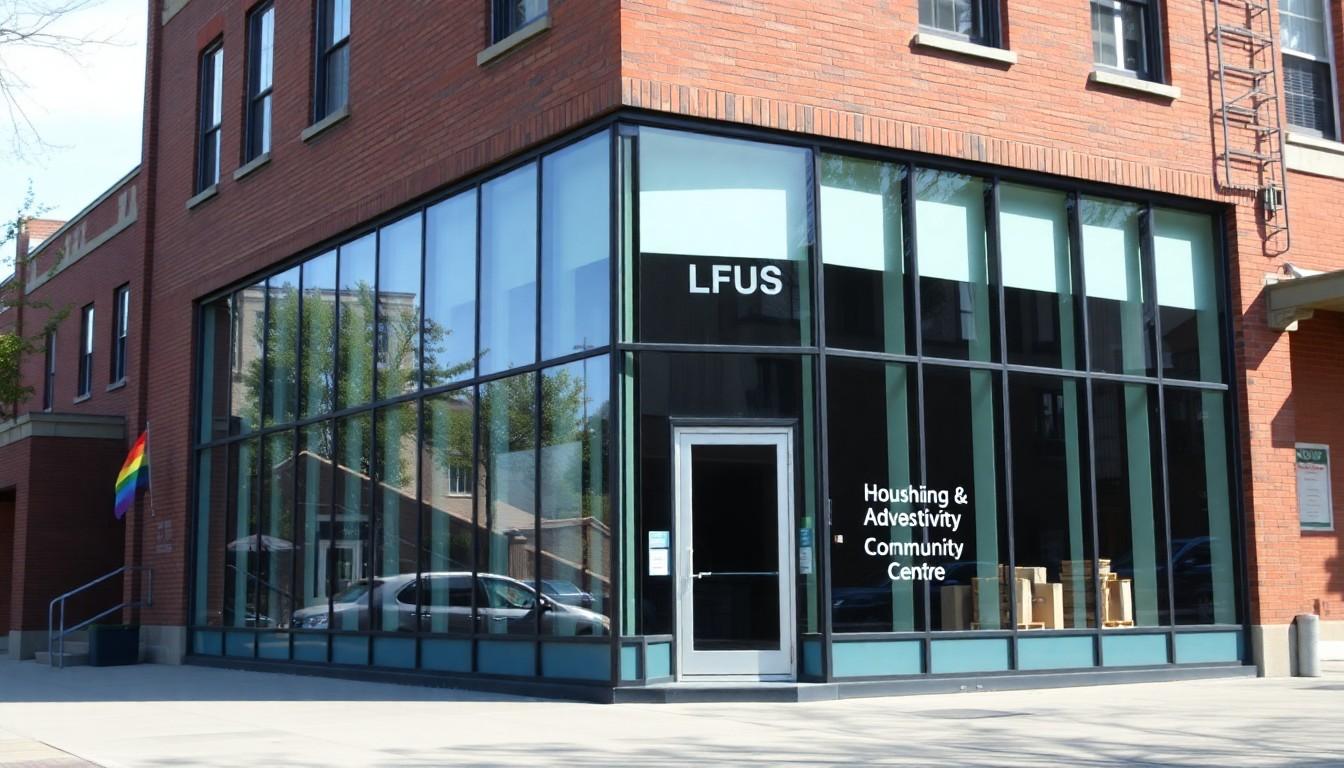
Hager eventually channelled her energy into housing, spending more than 25 years in the field and working on projects that combined shelter with support. Projects like Street City in Toronto, which housed people inside converted warehouse space, showed how compassionate design and local advocacy can become internationally noticed models. For activists today, her career underlines a practical truth: queer rights often connect directly to basic human needs like housing and dignity.
Why older voices still matter , and how to listen
Hager worries older activists don’t get enough recognition despite having done the “hard work” of protests and organising. Her plea is simple: younger people should ask questions and listen. Oral history, casual coffees and community events , like those organised for Pride in Toronto , are how memory stays alive. If you want to honour the past, start by talking to someone who lived it.
It's a small change that can make every story a bridge.
Source Reference Map
Story idea inspired by: [1]
Sources by paragraph: