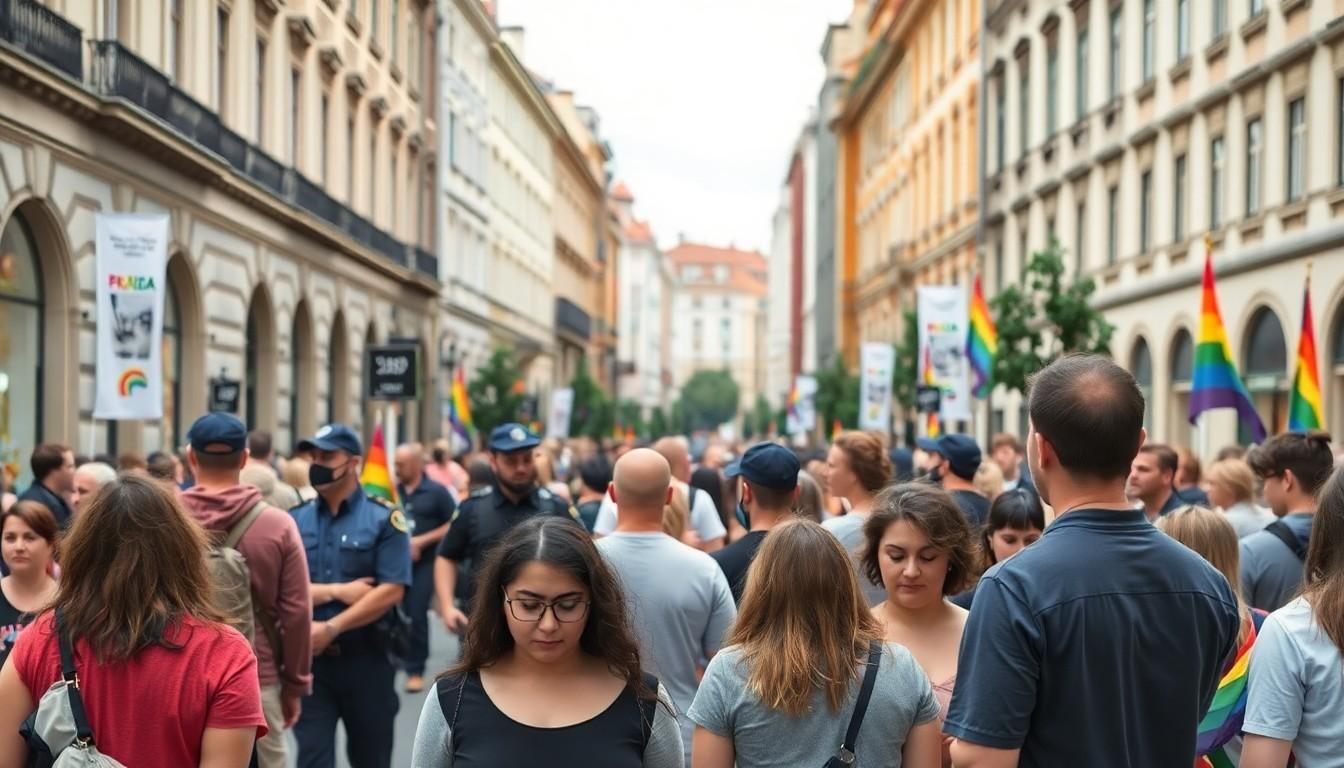
Shoppers, tourists and thousands of activists flooded Prague’s streets on Saturday, demanding equal rights and mourning recent violence; the Prague Pride parade became a colourful but cautious statement about safety, solidarity and why Pride still matters across Europe.
Essential Takeaways
- Mass turnout: Tens of thousands marched through Prague’s centre, a vivid, noisy show of support for LGBT+ rights.
- Moment of silence: The parade opened with a sombre pause to honour victims of the Berlin CSD attack, underlining cross‑border solidarity.
- Tight security: Organisers and police increased measures, hundreds of officers, de‑escalation teams and rules on placard handles.
- Festival vibe: Bright outfits, rainbow balloons and makeup marked the climax of a week‑long Prague Pride festival under the theme "Times Are Changing".
- No major incidents: Despite a small counter‑protest, authorities reported no significant disturbances along the route.
Why Prague Pride felt both festive and serious
Prague’s rainbow flood mixed joy with a cautious edge, and you could feel it in the air, a soft, determined buzz punctuated by the quiet of that opening minute. The choice to begin with a moment of silence for the Berlin victims framed the day: this was celebration, yes, but also a public act of remembering.
Organisers said the Berlin attack made the festival’s work feel urgent. According to festival leaders, Pride isn’t only party time; it’s about visibility, safety and pressing for legal equality. That duality, colourful costumes and hard conversations, has become the hallmark of many Pride events across Europe.
How organisers tightened safety without muzzling the party
Safety checks were visible but measured: more police on the streets, de‑escalation teams walking the route, and practical rules about banner poles to reduce weapon risk. Prague Pride’s website and festival materials outlined the steps, from recommended placard materials to tips for reporting concerns.
This approach echoes wider festival guidance seen in other cities, where organisers balance openness with pragmatism. If you’re attending a future Pride, expect simple precautions: carry soft‑handled signs, stay aware of exits, and follow steward instructions.
The parade as international solidarity , what it signalled
Beginning with a remembrance for those hurt in Berlin turned a local march into an international statement. It was a reminder that threats to LGBT+ communities don’t respect borders, and that public gatherings are stages for transnational grief and resistance.
Leaders and participants stressed that hate often starts with words and escalates. That narrative underpinned speeches and banners, and it pushed the festival conversation beyond visibility to questions about law, education and public discourse.
The mood on the ground: colourful, loud, and resilient
Anyone who was there would tell you the visuals were striking, rainbow balloons bobbing against summer blue, faces painted bright, handmade banners swaying gently. Yet beneath the bright palette was a steady resolve: people want equal rights, and they’re ready to insist on them publicly.
Counter‑protesters were few and kept separate, and police reported no significant incidents. That combination, high turnout, visible security and calm streets, made the day feel like a careful victory for organisers and participants alike.
Practical takeaways if you plan to join a Pride event
If you’re heading to Pride in the coming months, plan with safety and solidarity in mind. Use soft‑handled placards, familiarise yourself with steward locations, and keep a meeting point in case you get separated. Remember, your presence matters; it’s both a celebration and a civic act.
And if you’re photographing the day, be mindful of consent, some people want to be seen, others don’t. Respect keeps Pride inclusive.
It's a small change that can make every march safer and more welcoming.
Source Reference Map
Story idea inspired by: [1]
Sources by paragraph: