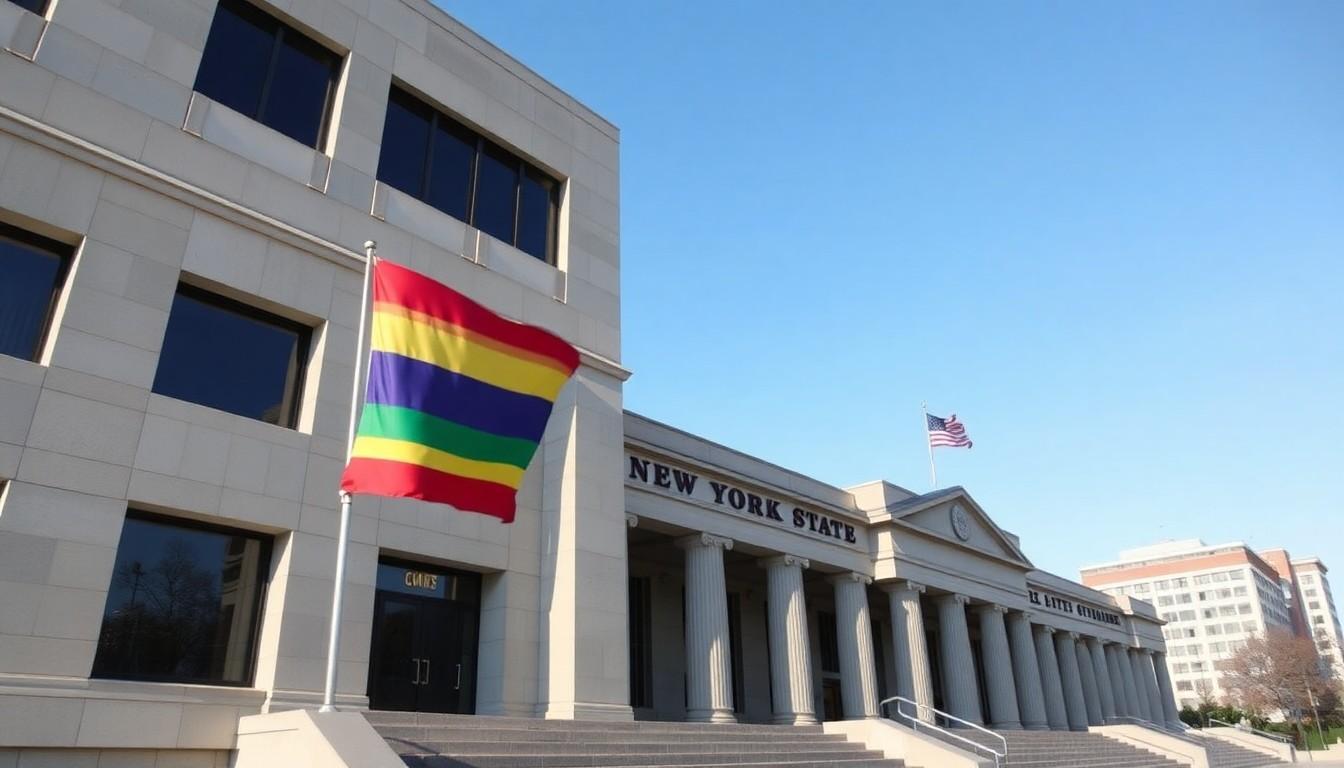
Shifts are underway in Albany: a growing crop of openly LGBTQ+ lawmakers , likely to become the largest delegation in state history , is quietly organising to form a formal legislative caucus, aiming to turn symbolic wins into budgetary power and everyday protections for queer New Yorkers.
Essential Takeaways
- Rising numbers: If expected November results hold, New York would have 11 openly LGBTQ+ legislators , the largest delegation in state history and a potential caucus base.
- From symbolism to funding: Leaders say the caucus would prioritise budget lines , gender-affirming care, housing, and enforcement of anti‑discrimination laws , not just proclamations.
- Broader agenda: Plans include tackling employment discrimination, HIV‑related housing, overdose prevention, and immigrant-worker protections with an intersectional lens.
- Allies matter: The proposed caucus envisions allied and associate members to educate and build power across regions and policy areas.
- Organisational model: Advocates point to California, Washington state, and Maryland as blueprints for staffed, funded caucuses that win concrete budget wins.
Why this moment feels different in Albany
There’s a quiet, tangible shift: a faster heartbeat under Albany’s routine. The Advocate reports that recent primaries delivered several new openly LGBTQ+ victors and likely victors, including New York’s first out nonbinary Assembly member. The numbers matter not just for representation but for the psychological lift of walking into legislative corridors with colleagues who share lived experience. For lawmakers like Tony Simone, who represents Chelsea and Hell’s Kitchen, that change could turn lonely hallways into a place of organised influence.
Moving from pride statements to budget fights
One clear lesson from advocates is that laws and proclamations only get you so far. New York has protections on the books and public funds aimed at trans and nonbinary communities, but when the next budget tussle arrives, LGBTQ+ needs compete with dozens of priorities. Organisers argue a formal caucus would be tasked with locking down budget lines , especially for gender-affirming care and enforcement bodies such as the Division of Human Rights , so protections are real, not just symbolic.
What a staffed, funded caucus could actually do
Look at other states for the playbook. California’s caucus has been able to push multi‑million-dollar funds for care; Washington’s organisation has built ongoing policy wins; Maryland uses associate members to broaden influence. The New York effort as described by organisers would aim for similar structures: recognised status in the Legislature, paid staff, a policy agenda, and outreach to allied lawmakers so queer issues are treated across committees and budgets, not siloed into Pride Month.
Intersectionality: why housing, jobs and health are one fight
Organisers emphasise that queer life intersects with many issues: unstable housing for people living with HIV, employment discrimination against trans and nonbinary workers, and substance‑use crises in communities that often lack services. Brian Romero and David Orkin, among others, frame these as linked problems demanding cross‑agency solutions. That angle makes the caucus relevant to colleagues who care about jobs, public safety, and immigrant rights , and helps build coalitions beyond identity politics.
Politics, timing and the uphill work ahead
The group still needs formal recognition, funding, and buy‑in from legislative leaders. Organisers are mindful that Democrats can feel political heat and retreat; having a visible caucus could give ambivalent colleagues political cover to defend LGBTQ+ communities. The larger national picture , with growing numbers of LGBTQ+ state legislators and coordinated congressional groups , suggests Albany’s move would fit a broader pattern of institutionalising queer policymaking.
It's a small change that could make everyday protections more durable and visible.
Source Reference Map
Story idea inspired by: [1]
Sources by paragraph: