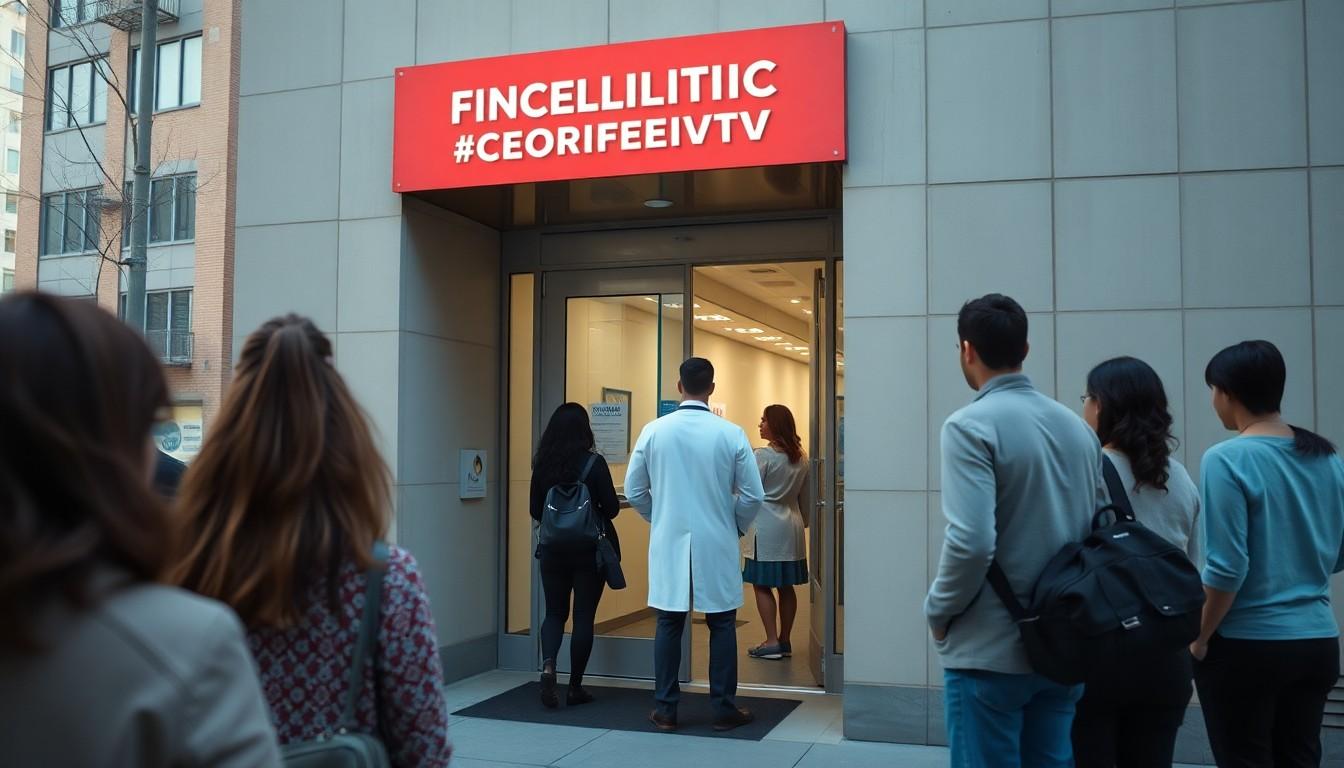
Shoppers of change are cheering , Canada has scrapped sexual-behaviour screening rules that blocked many gay and bisexual men from donating sperm, a practical win for queer people, fertility clinics and hopeful parents across the country. It matters because it removes a long-standing barrier and relies on modern testing, not assumptions.
Essential Takeaways
- Policy change: Health Canada has removed sexual-behaviour questions that effectively excluded gay and bisexual men from sperm donation.
- Science-backed: Medical experts told courts and advisers that modern screening and testing make behaviour-based bans unnecessary.
- Supply boost likely: Canada doesn’t pay donors, so widening eligibility could ease shortages in sperm supply.
- Personal impact: Donors like Aziz report meaningful relationships with donor-conceived children and view donation as a way to build and enrich queer family life.
- Legal significance: Advocates call the move precedent-setting for ending decades of policy discrimination.
Why this decision feels like overdue common sense
This change lands as a quietly powerful moment , people said the old rule felt discriminatory, and it often smelled of outdated fear rather than facts. According to Health Canada, the shift aims to base donation rules on science and safety, not assumptions about who is “risky”.
Public-health experts have long pointed out that today’s HIV and STI testing is extremely sensitive and that current screening procedures already reduce residual risk to negligible levels. So this feels less like lowering standards and more like aligning policy with what labs can actually detect.
Practical takeaway: if you’re curious about donating, the barrier that once stopped many queer men is gone; clinics still screen for infections, but they won’t disqualify you just for your sexual orientation.
How courts and advocacy nudged the change
The update didn’t happen in a vacuum. Legal challenges and public advocacy pushed Health Canada to reconsider rules that had evolved from blanket deferrals for men who have sex with men into restrictions focused on specific sexual acts , a shift some saw as merely shifting the stigma.
Advocates and lawyers described the move as precedent-setting. That matters because it’s not just about one policy: it signals that regulators are ready to rework public-health rules that carry discriminatory effects, especially when modern testing undermines the original rationale.
What to watch next: other reproductive policies in Canada may come under fresh scrutiny as stakeholders press for equitable, evidence-led rules.
What this means for queer donors and recipient families
There’s a human side to the headlines. Donors like Aziz describe donation as deeply personal , it’s about generosity, connection and sometimes staying in touch with the child conceived. Removing barriers lets more queer people take part in that experience and expands the pool for families who need sperm for conception.
Clinics will continue to follow screening and quarantine procedures where appropriate, but the pool of eligible donors should broaden. That’s useful in a system that doesn’t offer payment and therefore struggles with supply.
Practical tip: prospective donors should check individual clinic requirements before signing up; eligibility rules can still vary by facility even after Health Canada’s change.
Safety and testing: the science that supports the move
Health Canada and infectious-disease experts point out that modern testing regimes detect infections reliably, cutting the need to infer risk from a person’s sexual practices. Affidavits from medical specialists argued the residual risk after contemporary screening is effectively negligible.
In other words, rigorous lab work now does the heavy lifting. Policy makers are increasingly comfortable relying on those tests rather than on blunt behavioural questions that sweep in entire communities.
For recipients: this should reassure couples and individuals that relaxing donor eligibility doesn’t mean relaxing safety.
The bigger picture: supply, equity and what comes next
Canada’s decision could nudge other countries to rethink similar rules, especially where donor shortages are an ongoing problem. Because Canada doesn’t allow paid donation, attracting more volunteer donors is vital; widening eligibility is a low-cost way to help.
Expect fertility groups and clinics to track donor numbers and outcomes closely. Advocacy groups say the victory is about more than supply , it’s a correction of policy that carried stigma for years.
It’s a small change that can make every donation feel a bit fairer.
Source Reference Map
Story idea inspired by: [1]
Sources by paragraph: