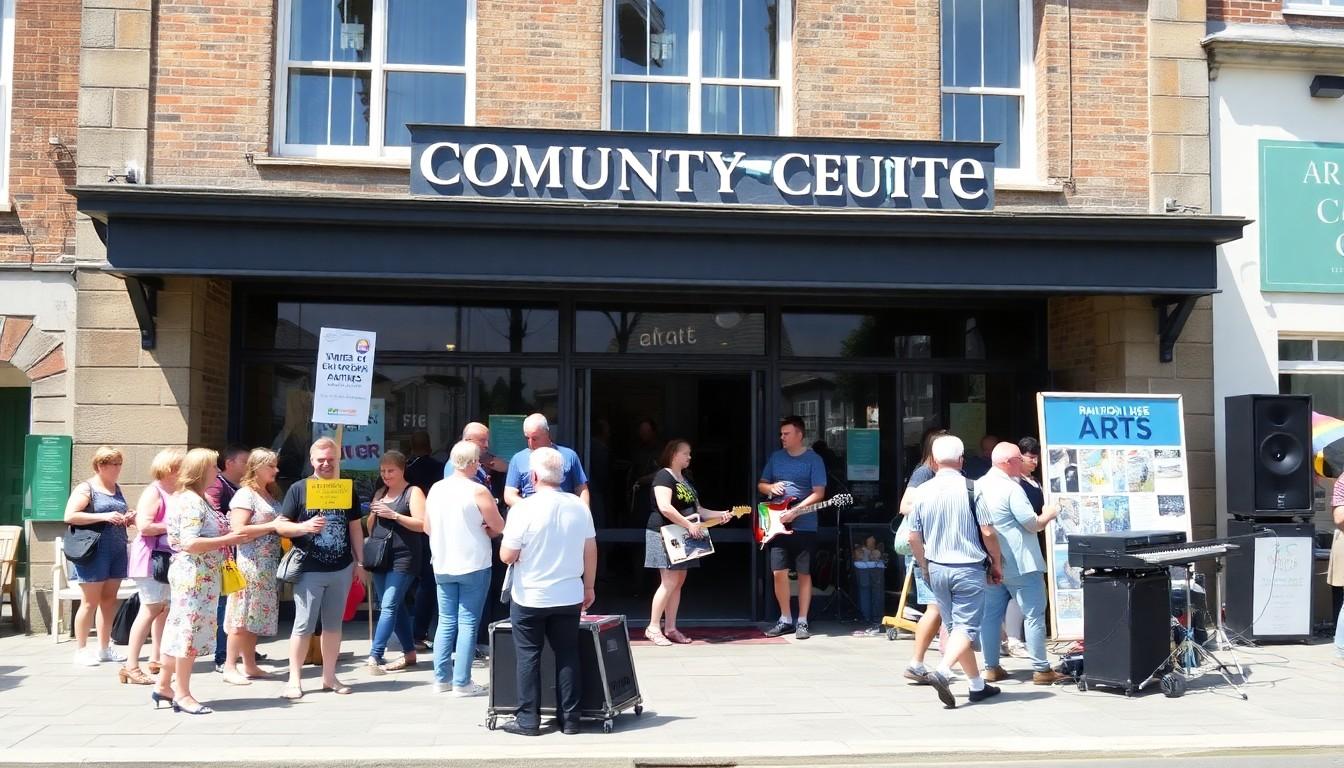
Celebrating a decade, Margate Pride has become a bright, defiant annual fixture on the Kent coast, bringing parades, live music and arts events that matter to locals and visitors alike; organisers say it’s changed the town’s feel and could reshape community life over the next ten years.
Essential Takeaways
- Ten-year milestone: Margate Pride in its current form started in 2016 and has now reached its 10th anniversary, with events across July and August.
- Community-led: The festival was driven by founder Amy Zing and a volunteer team who kept it going through personal trials and local challenges.
- Weekend highlights: The celebrations peak with a lively parade and live music, plus smaller arts events that give the town a colourful, creative buzz.
- Emotional impact: Locals say the event makes Margate feel more inclusive, small acts, like holding hands in public, carry real meaning.
- Looking ahead: Organisers hope the festival will continue to change local attitudes and become an enduring part of town life.
A seaside parade with heart and colour
Margate Pride’s parade across the town feels less like a one-off spectacle and more like a gentle reclaiming of public space, full of bright flags, music and smiling faces. According to local reporting, the festival peaks with a parade and live music that draw residents and visitors together. It’s the sort of community energy that makes a damp British summer day feel warm and slightly electric.
The festival didn’t spring from nowhere. Organisers set out a vision a decade ago and gradually built it into a calendar of events through persistence and local goodwill. For many, seeing couples hold hands openly in the town is a new normal, and that quiet normality is the real victory.
A founder’s story: resilience and purpose
Amy Zing, who founded Margate Pride, has been very public about what it meant to build the event from scratch and to keep it alive while navigating cancer treatment in recent years. Her comments to BBC Radio Kent underline how personal the festival is to those who run it. She describes the pride she feels when she sees young people relaxed and visible in the town.
That human story matters because festivals are more than entertainment; they’re an expression of who a place wants to be. The team’s commitment turned an “unwritten” vision into an annual fixture, proving grassroots organising can reshape local culture.
Arts, music and a summer-long tilt towards inclusivity
Margate Pride isn’t just a single-day party. Events spread through July and August include arts activities and gigs that give the town a creative lift during the quieter tourist months. That slow-burn approach helps the festival reach people who might not normally attend a parade and makes inclusion feel woven into the summer calendar.
If you’re choosing which parts to go to, the parade and headline live acts are the most visibly joyful, while smaller arts events often offer quieter, reflective experiences. Together they create an accessible, layered festival that suits families, students and long-time residents alike.
Why Margate matters in the wider picture
Small-town Prides like Margate’s speak to a wider cultural shift. Where once Pride events were mostly confined to big cities, town-based festivals are bringing visibility and conversation to places that previously saw less LGBTQ+ programming. According to local coverage, this matters not just symbolically but practically: public acceptance changes how people live day to day.
That doesn’t mean every town warms overnight. Events are an invitation, one that asks neighbours to meet and learn from one another. If Margate’s experience is anything to go by, ten years of consistent, visible celebration can make a difference.
Practical tips if you’re going this year
Arrive early for the parade to find a good vantage point and to soak up the pre-parade atmosphere. Pack a light waterproof and comfy shoes, the Kent coast can be changeable and you’ll be on your feet. If you want a quieter experience, check the festival’s arts listings for smaller venues and daytime talks or exhibitions. And remember, small gestures, smiling, clapping, buying from local stalls, help the grassroots teams keep the lights on.
It’s a small change that can make every visit feel friendlier and more colourful.
Source Reference Map
Story idea inspired by: [1]
Sources by paragraph: